
SACRAMENTO, Calif. (AP) – California’s Senate is poised to vote on a sweeping package of anti-smoking measures_including raising the smoking age to 21- as lawmakers try to crack down on tobacco use and the health problems that flow from it.
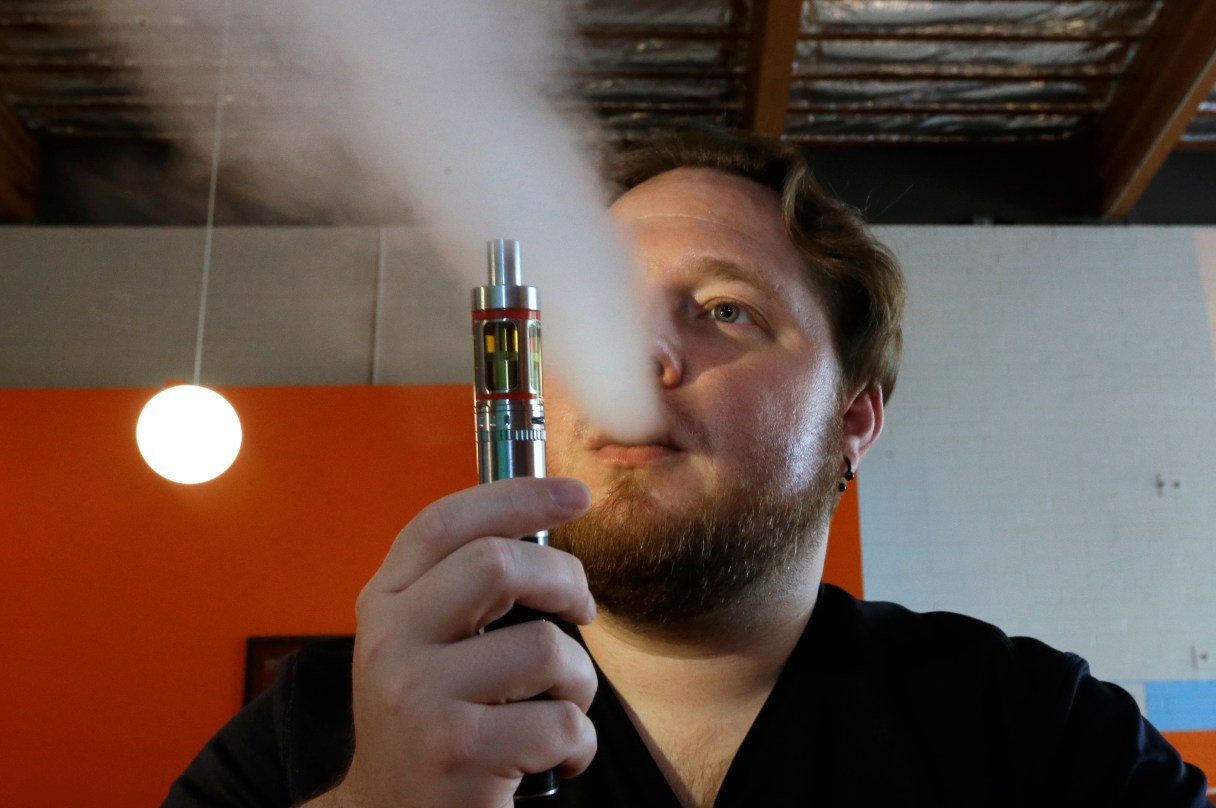
If the Senate approves Thursday and Gov. Jerry Brown signs off, California would become the second state to move the age to buy cigarettes from 18 to 21, and electronic cigarettes would face the same restrictions as tobacco products.
The six bills represent California’s most substantial anti-tobacco push in nearly two decades, the American Cancer Society said. But advocates couldn’t garner enough support to raise cigarette taxes, which requires a two-thirds supermajority. The Cancer Society and other groups are seeking to qualify an initiative for the 2016 ballot.
“With California having such a huge population it’s going to be very impactful nationwide,” said Cathy Callaway, associate director of state and local campaigns for the American Cancer Society.
Thursday’s vote comes amid intense lobbying from tobacco interests and fierce opposition from many Republicans, who say the state should butt out of people’s personal decisions, even if they’re harmful to health.