
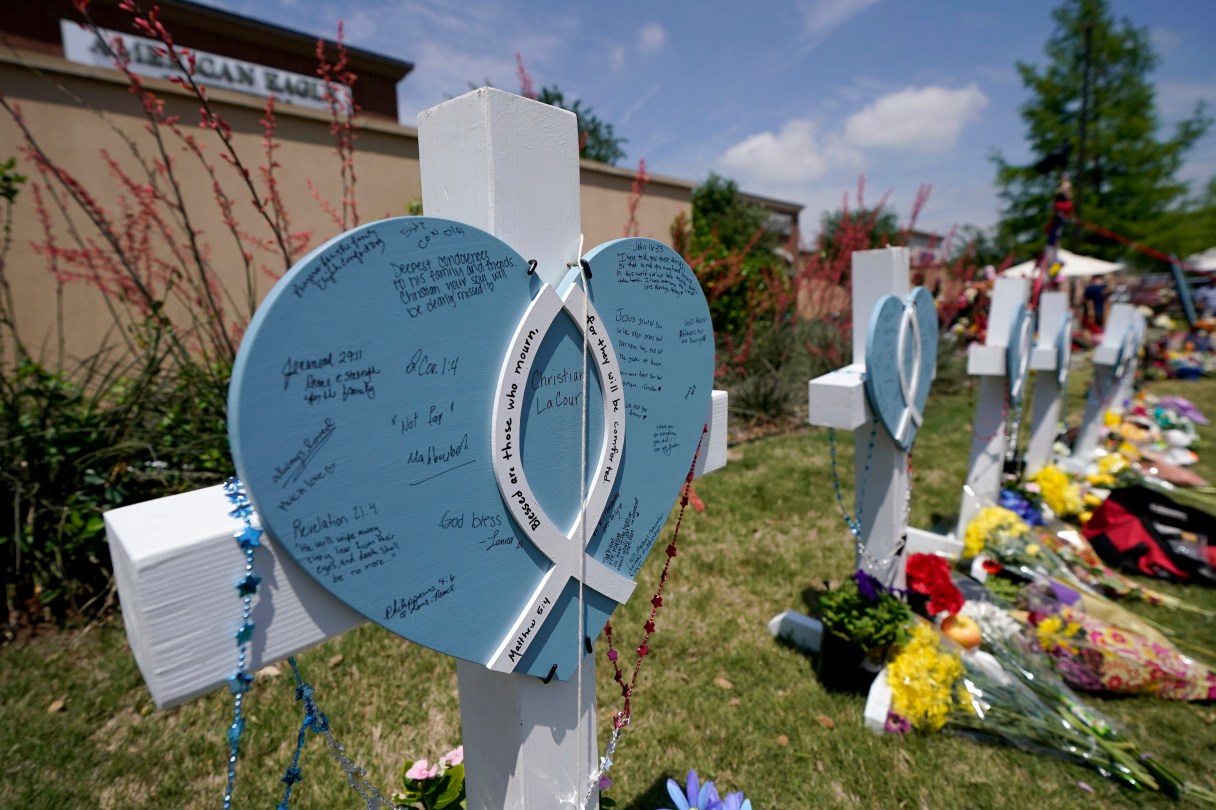
Jennifer Seeley was glued to her phone, safe at home but terrified nonetheless.
There was an active shooter at the Texas mall where she works as an assistant store manager. And she was searching desperately for information, praying. Was the gunman dead? Were her coworkers dead? What was happening?
So with law enforcement in the Dallas area town of Allen releasing information slowly on that horrible May 6 afternoon, she turned to social media for answers, stumbling across videos showing the bodies of some of the eight who were slain. Desperately she texted her coworkers.
“That’s where all of my information came from was what I saw on Twitter. And, you know, nobody was really releasing any information on what actually happened,” she says now, nearly two weeks later.
The shooting at the Allen Premium Outlets this month has law enforcement public information officers from around the country talking. Social media, they say, has accelerated everything. Now everyone can post images from their phone. That means if police don’t talk, reporters and the public will simply go online, as happened in Allen.