
Tuesday, November 24, 2026Nov 24

Millions ditched cars for bikes during the pandemic. These cities want the habit to stick

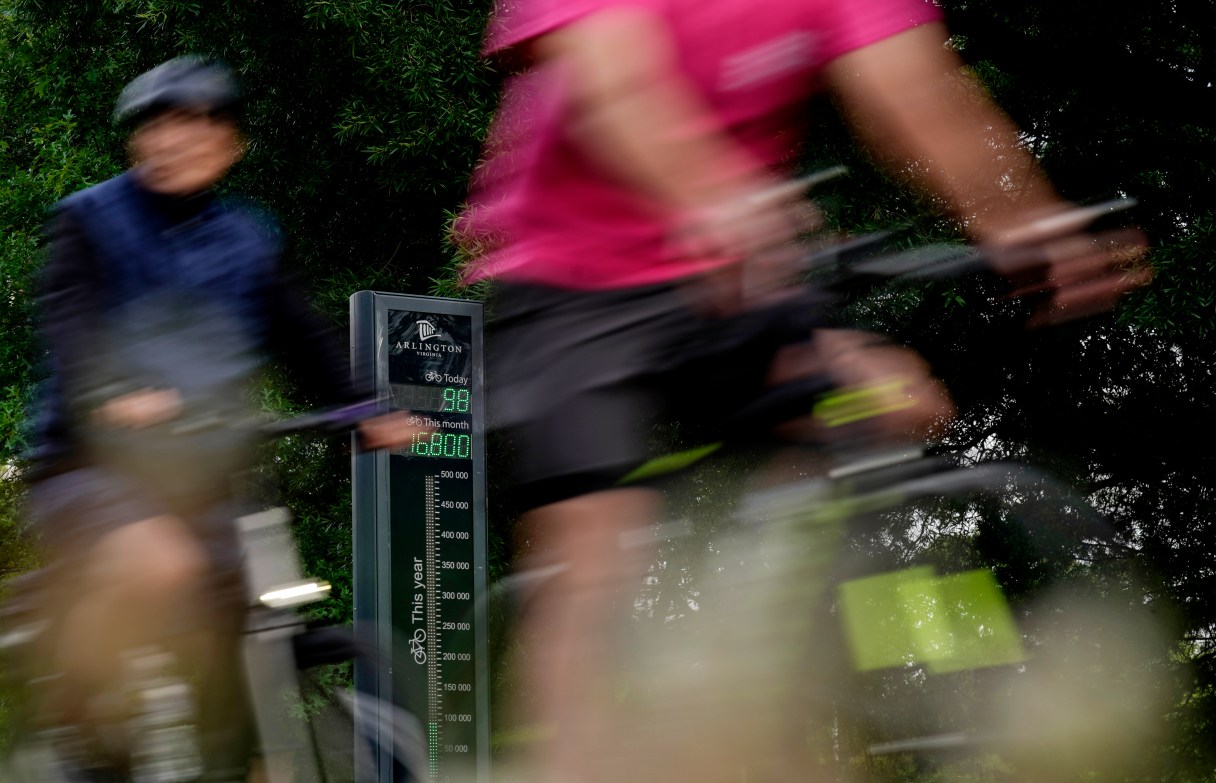
Cyclists are counted as they ride past the Rosslyn Bikeometer on National Bike to Work Day in Arlington, Va., Friday, May 19, 2023. The Bikeometer monitors the volume of bike usage on the Custis Trail in Arlington, Va. A Rutgers-Virginia Tech study of cycling in more than a dozen cities in North America and Europe finds that many new bikeways were built during the height of COVID-19. And these efforts were rewarded with increased cycling in places that undertook robust development. (AP Photo/Carolyn Kaster)

MONTREAL (AP) — In the agonies of the virus that upended most of the world, millions of people from Bogota to Berlin saw what life could be like on two wheels instead of four.

Even as commuting to the office and going to school plunged at the height of COVID lockdowns, outdoor recreation, and cycling in particular, surged in country after country as people looked to escape isolation in a relatively safe way. In response, cities worldwide have developed bikeways with new urgency since 2020.

The question is whether people stick with their new cycling habit in these closer-to-normal times.

On Friday, Bike to Work Day in the U.S., the automatic counters that record each passing cyclist in many cities will get the latest numbers.

So far the evidence is incomplete and varies by place. But the numbers suggest that if they build it, people will come.