
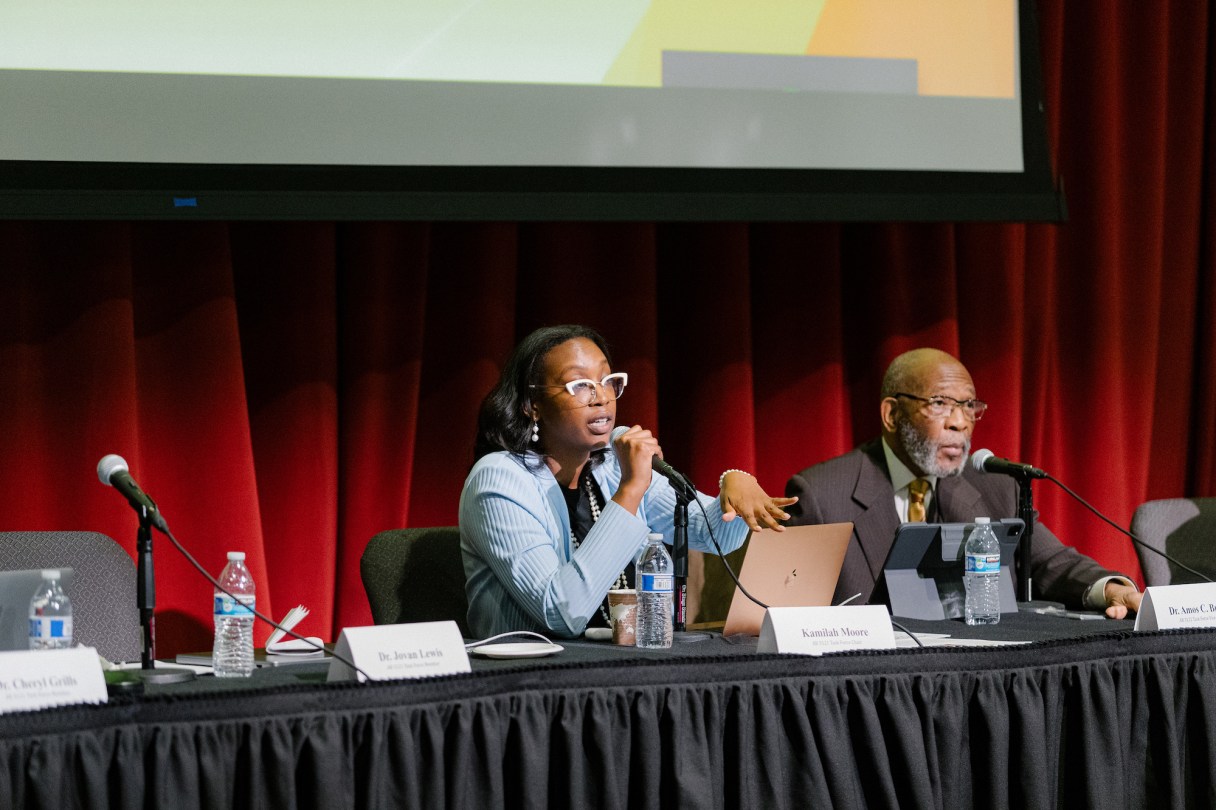
SACRAMENTO, Calif. — Gov. Gavin Newsom and the California Legislature will soon receive a sweeping set of recommended reparations for African Americans whose ancestors suffered economically from slavery and racial discrimination. Then what?
Then the governor and lawmakers will need to emerge from cover, face the public and devise a better response than we’ve been hearing: “I’m waiting for the final report of recommendations.”
The report will be sent to the state Capitol by July 1. That’s the deadline for the California Reparations Task Force — created by Newsom and legislators — to finish its two years of often-acrimonious work.
This will be a tough one for every politician and policymaker who tries to create a balance between providing some realistic semblance of justice without breaking the state bank. And there’ll be some who just flat-out think that major reparations are unreasonable but hesitate to say it publicly.
“I’m a hard ‘no,'” one influential Sacramento Democrat told me. When asked whether I could quote him, he responded: “Oh, sure, and then I’ll be called a big racist and get all kinds of crap.”