
PORT-AU-PRINCE, Haiti (AP) — The emaciated inmate in black shorts lay on a thin mat in Haiti’s most notorious prison, isolated from other prisoners at Port-au-Prince’s National Penitentiary because of drug-resistant tuberculosis.
He slowly sat up to talk to a visiting reporter and more than 70 fellow tuberculosis patients gathered at the door of the neighboring cell to complain about their suffering while detained, many on minor charges like theft.
“We don’t have water!” one cried, while his fellow inmates said their food came late or not at all.
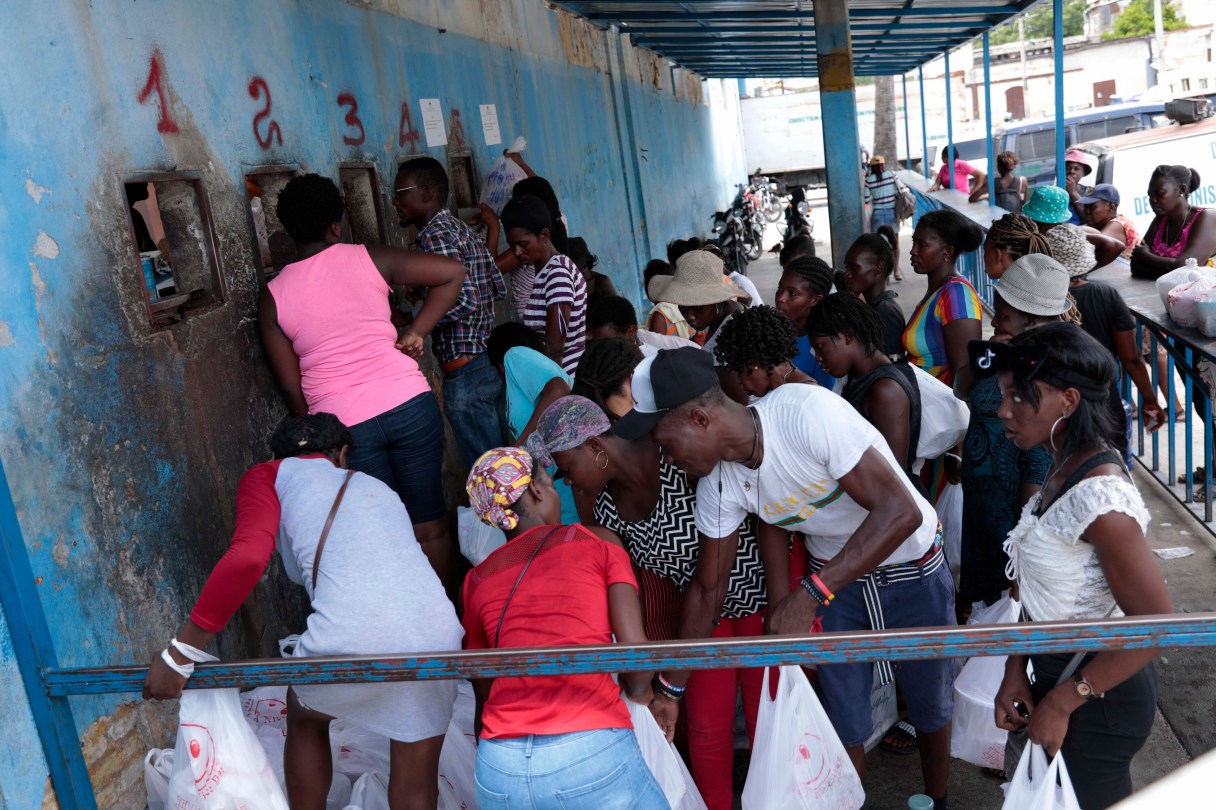
Haitian inmates are thirsty, starving and sleeping standing up because they don’t have enough room to lie down. The United Nations says 185 inmates died in Haiti last year — many of malnutrition-related diseases. This year, more than 20 have died so far. Human rights experts and attorneys expect the number to rise because gang violence has led to severe fuel and food shortages.