
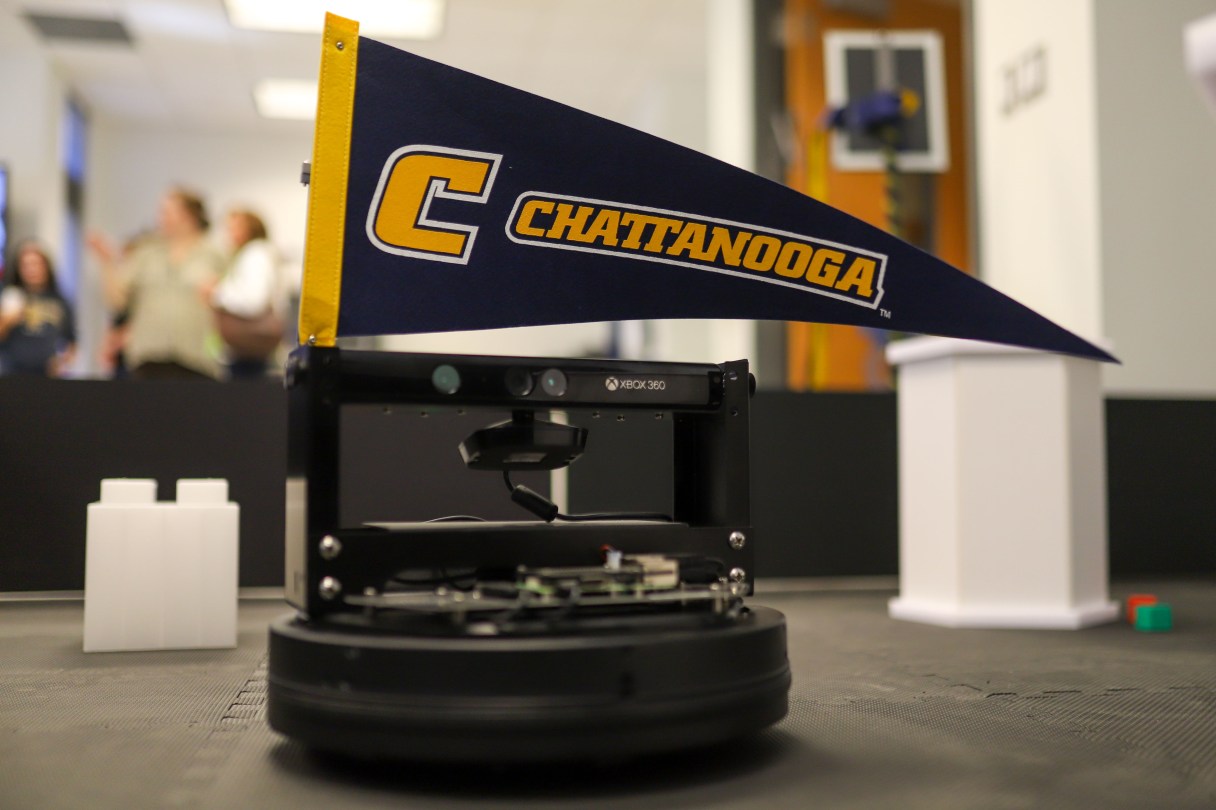
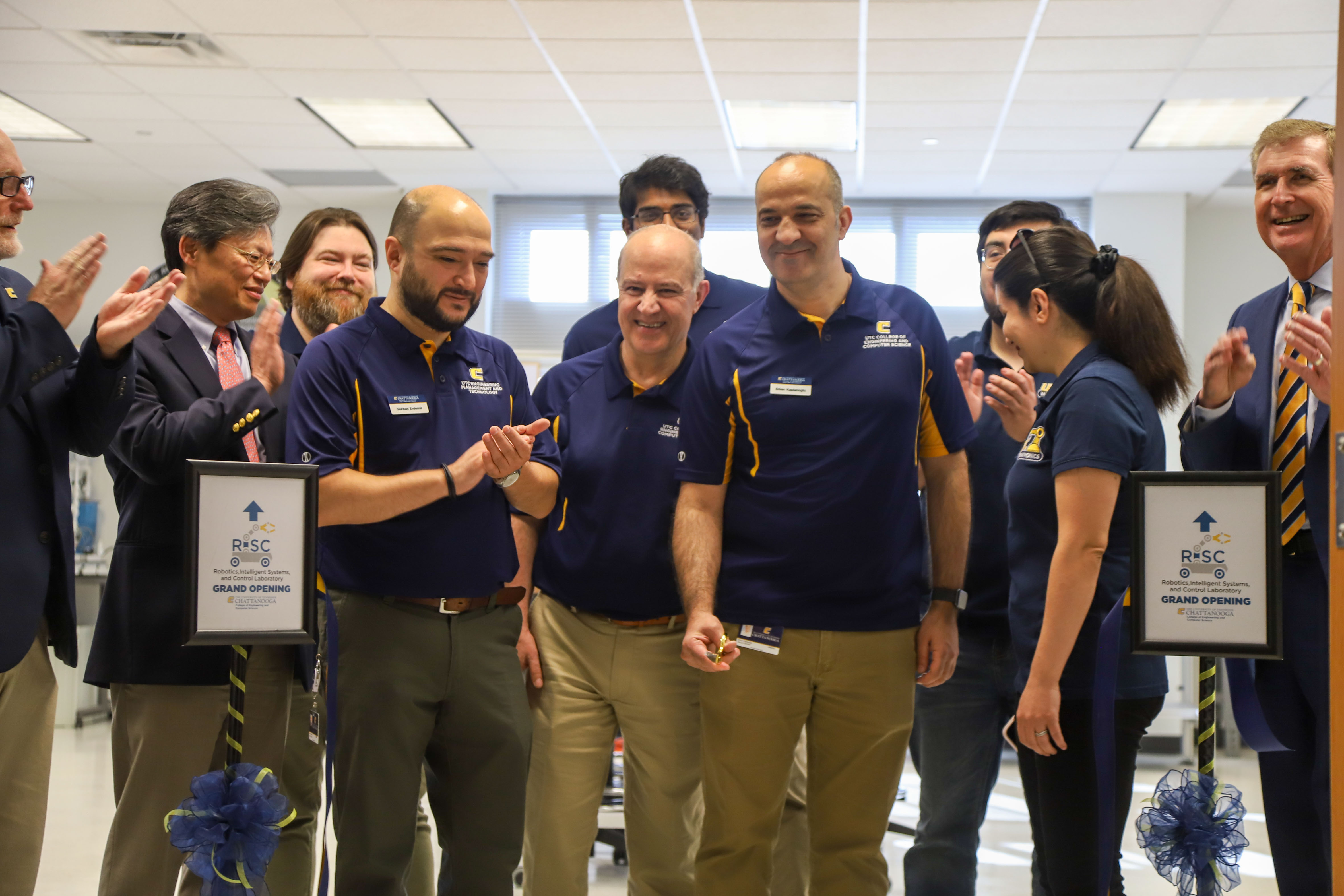
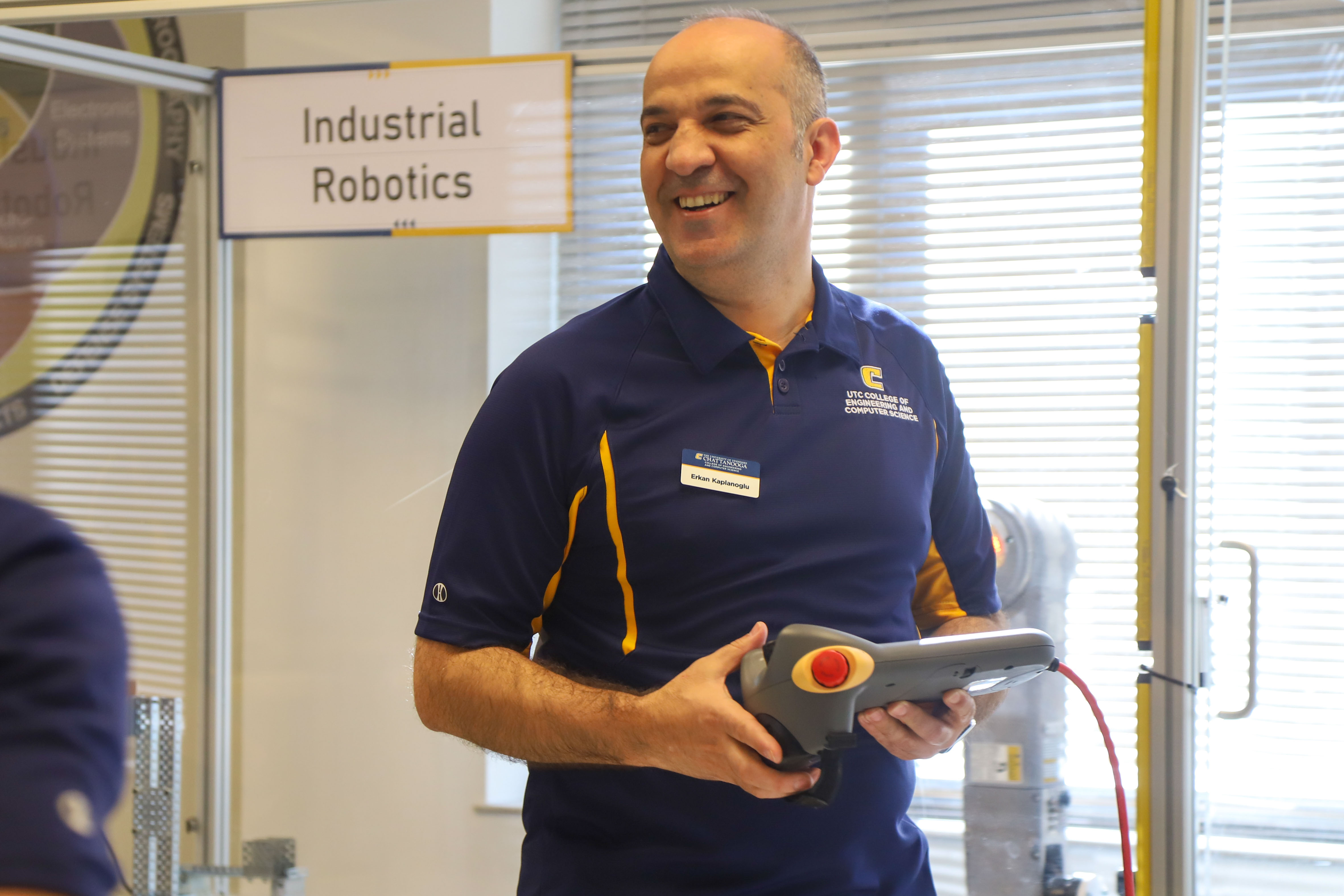
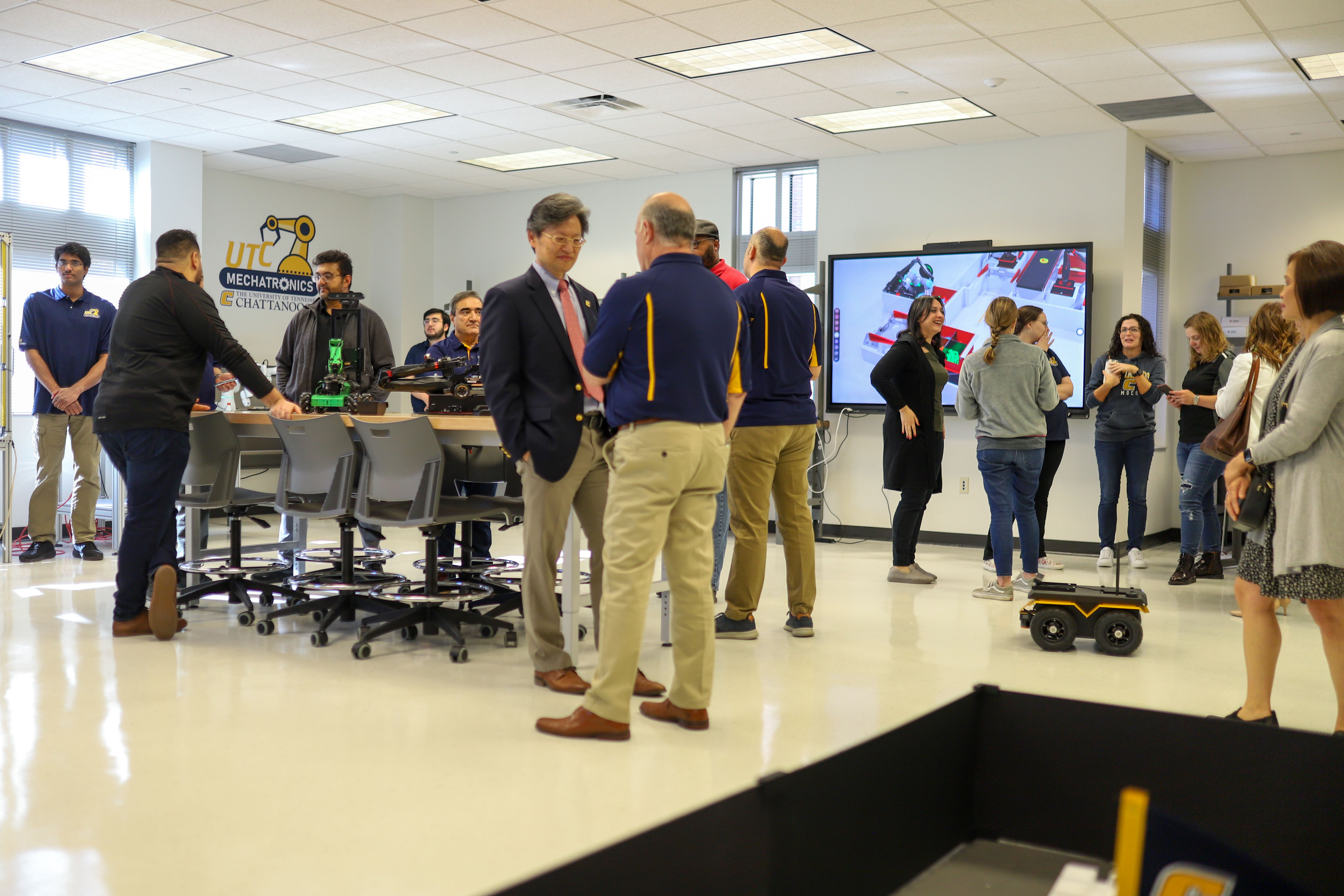
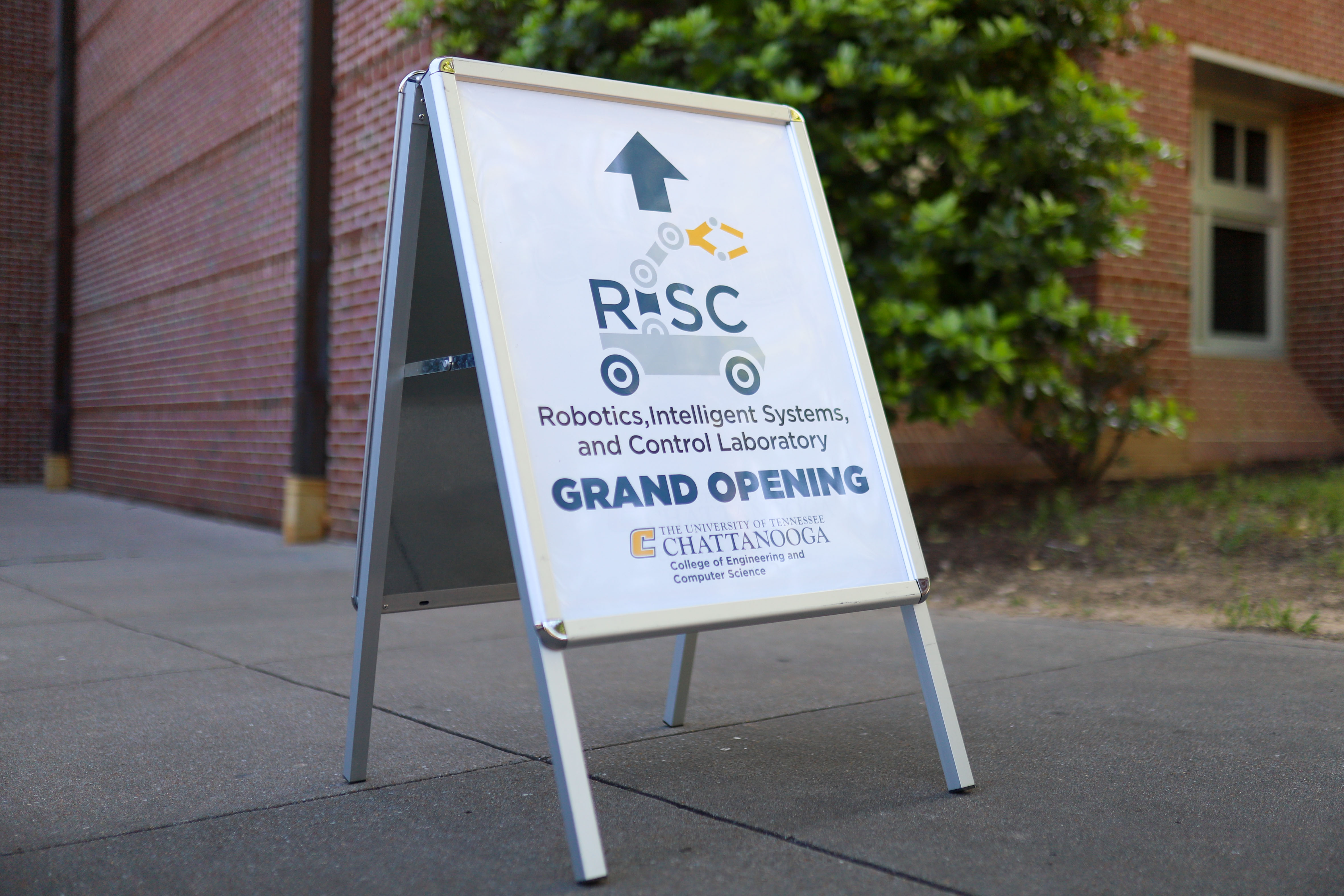
The University of Tennessee at Chattanooga opened a hands-on laboratory Thursday focusing on robotics, intelligent systems and controls, exposing students to high-tech equipment and readying them for the workforce, officials said.
“Companies like our graduates,” Ahad Nasab, who heads the Department of Engineering Management and Technology, said in an interview. “They’re not intimidated by machines.”
The lab, costing about $500,000 to set up and located in the College of Engineering and Computer Science, is the second in UTC’s mechatronics program, which Nasab said merges the study of the mechanical and the electrical.
He said there’s hardly any machine these days that doesn’t combine the two.
“You can’t have silos of talent anymore,” Nasab said. “You’ve got to know both ends of the machine.”
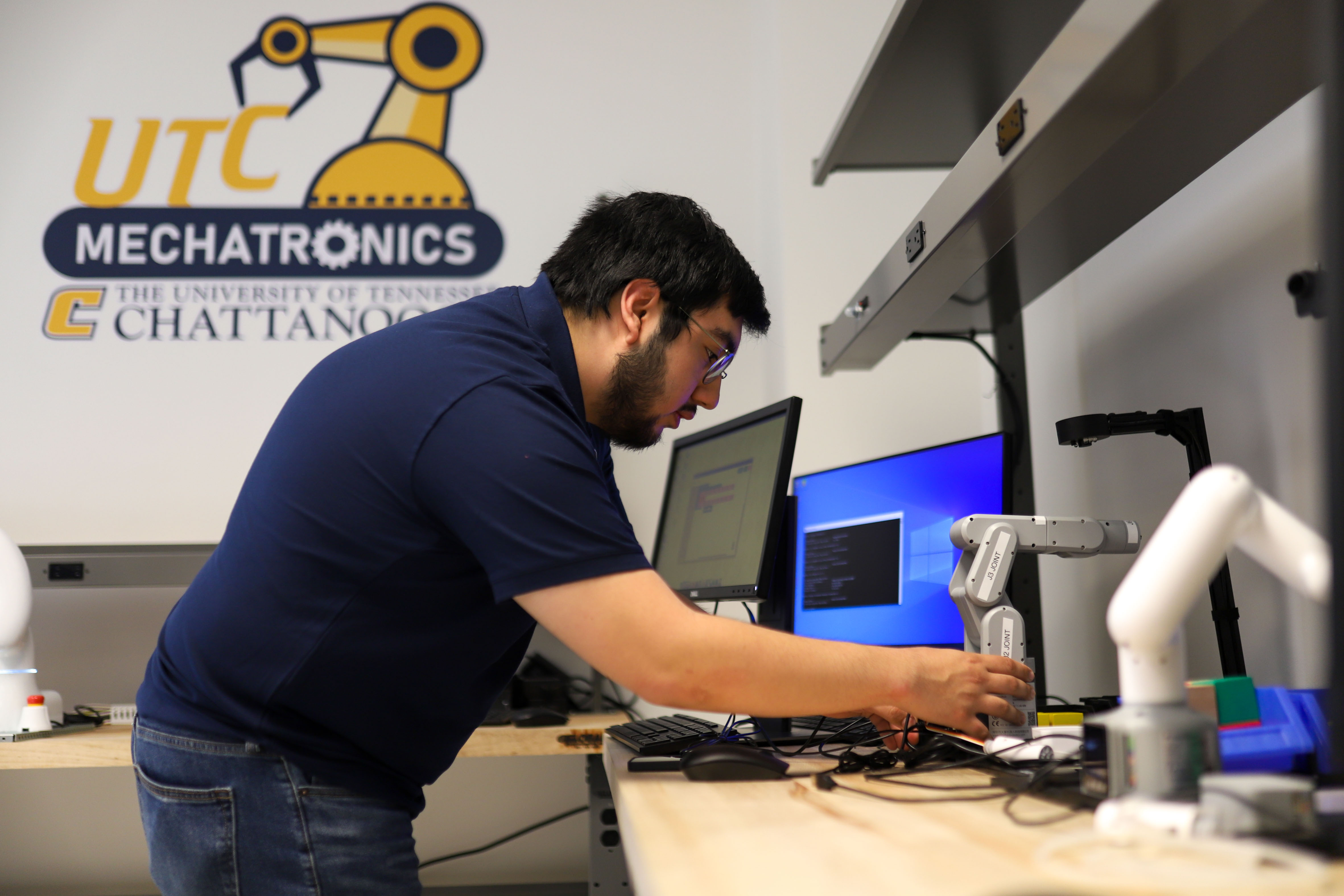
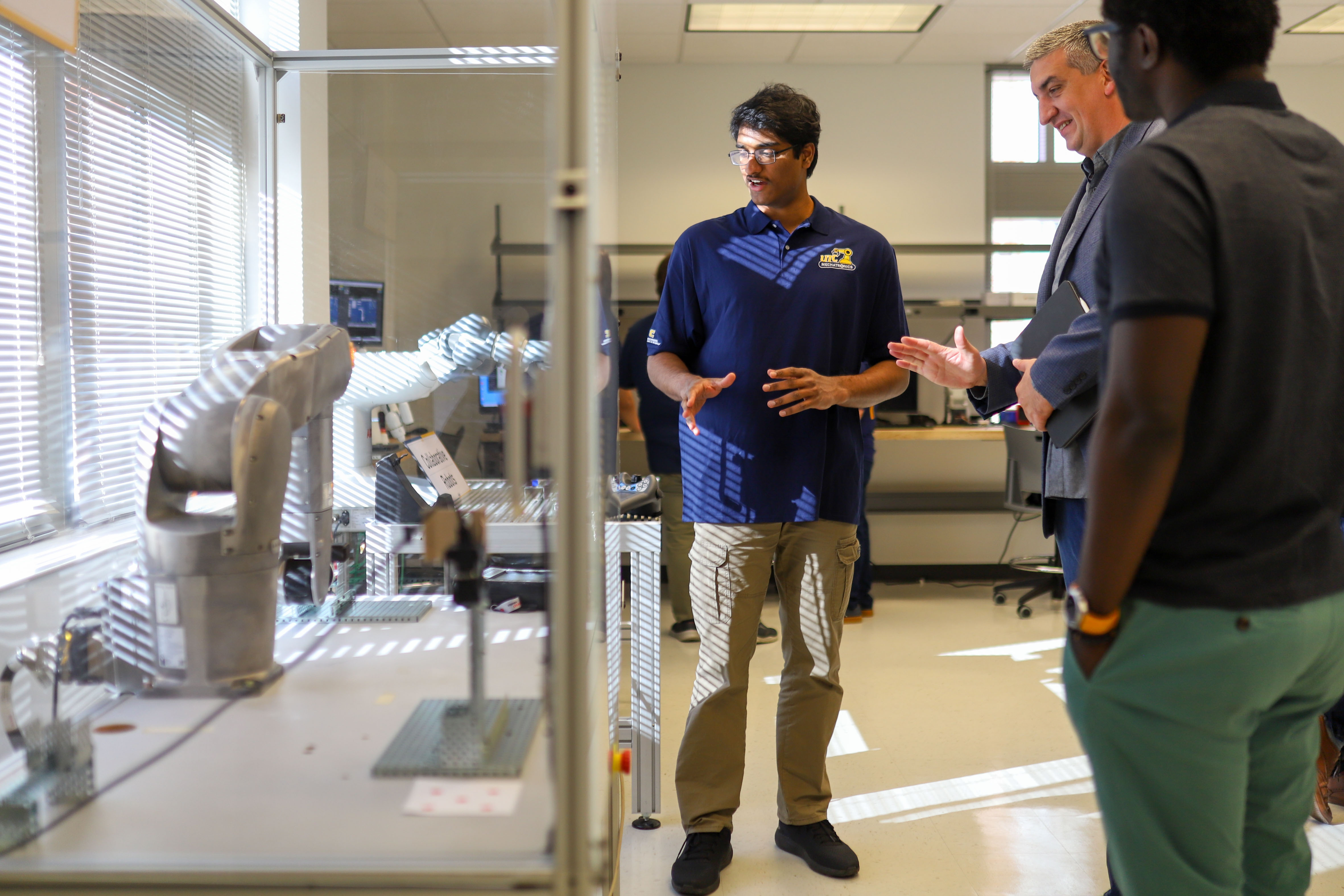
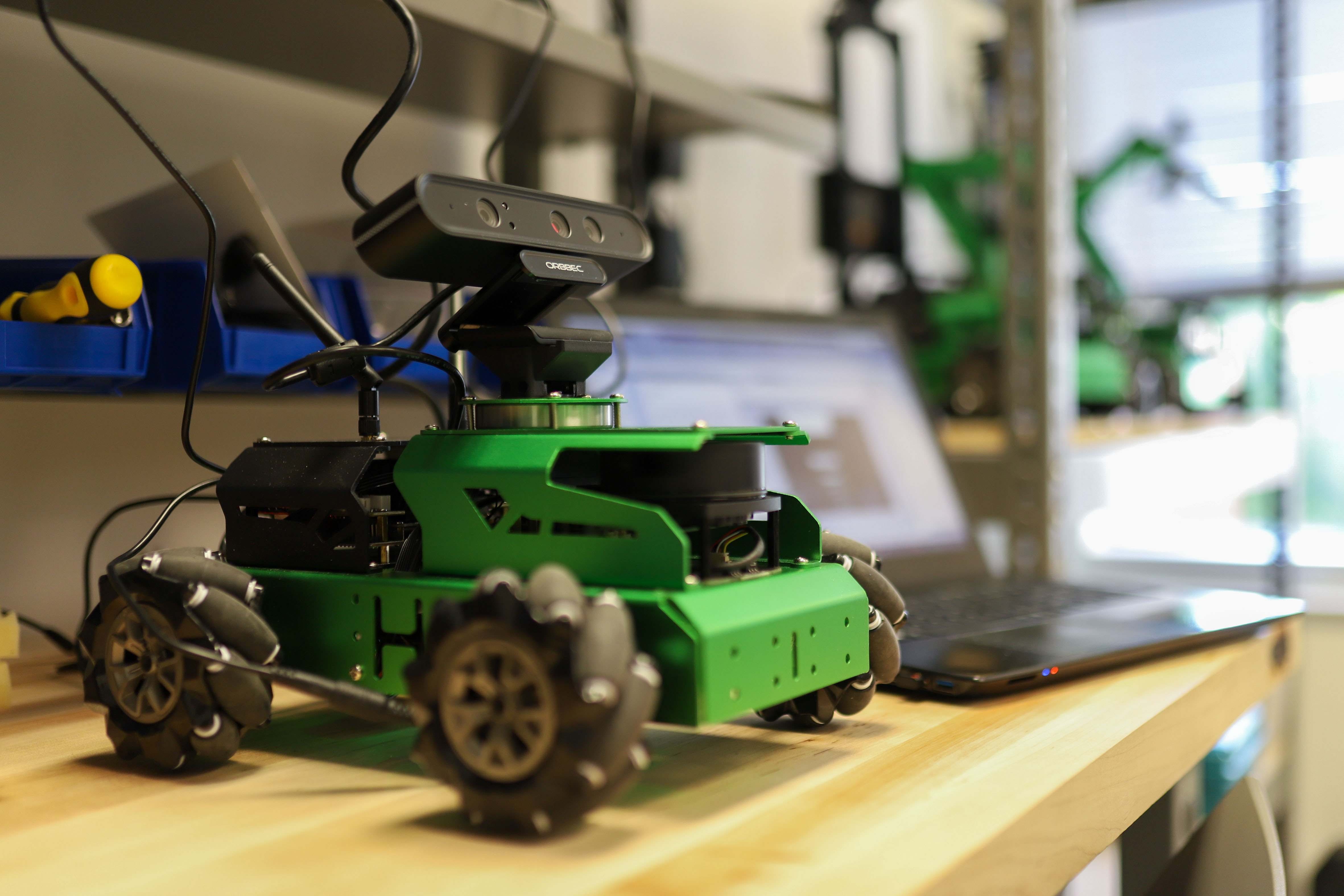
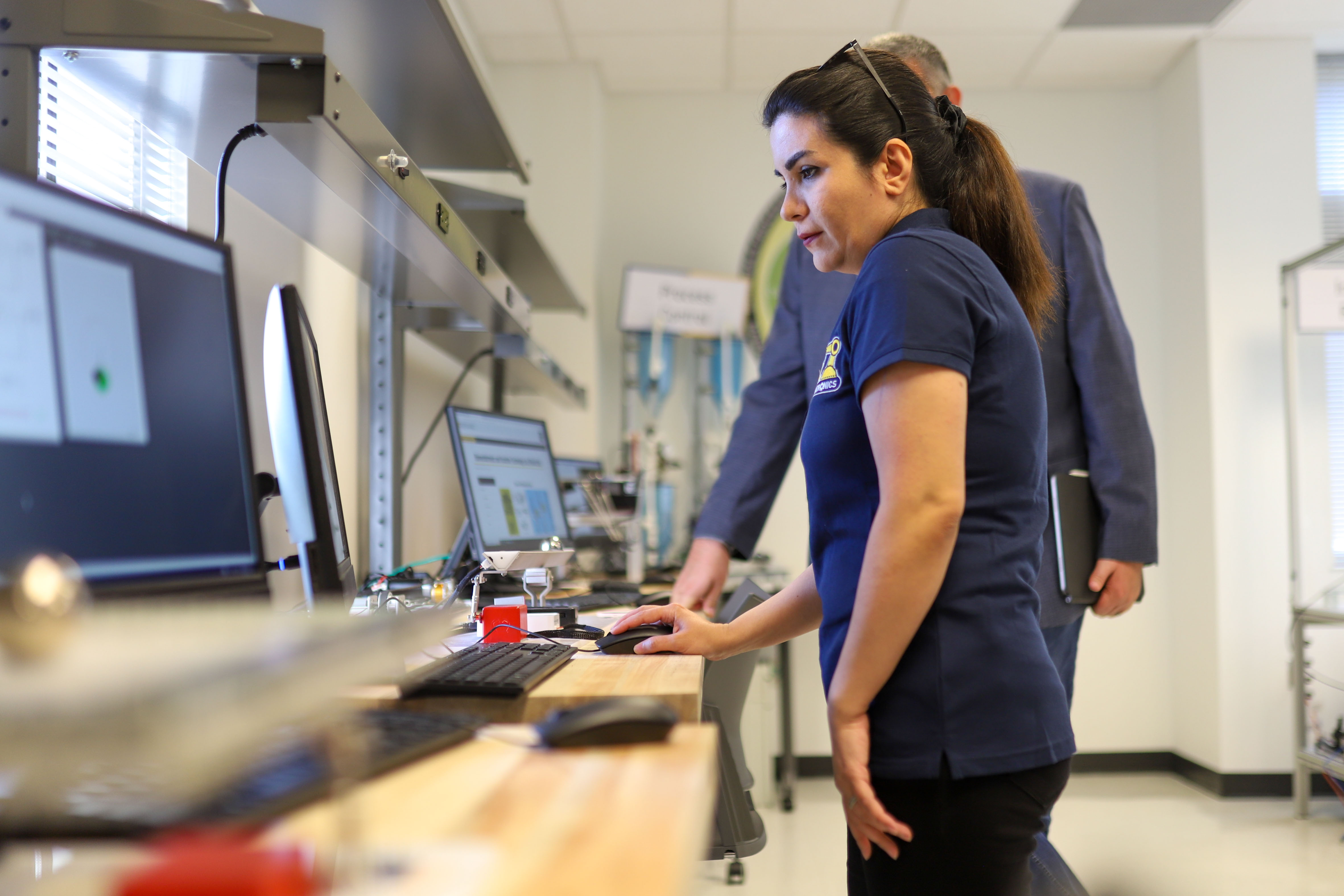
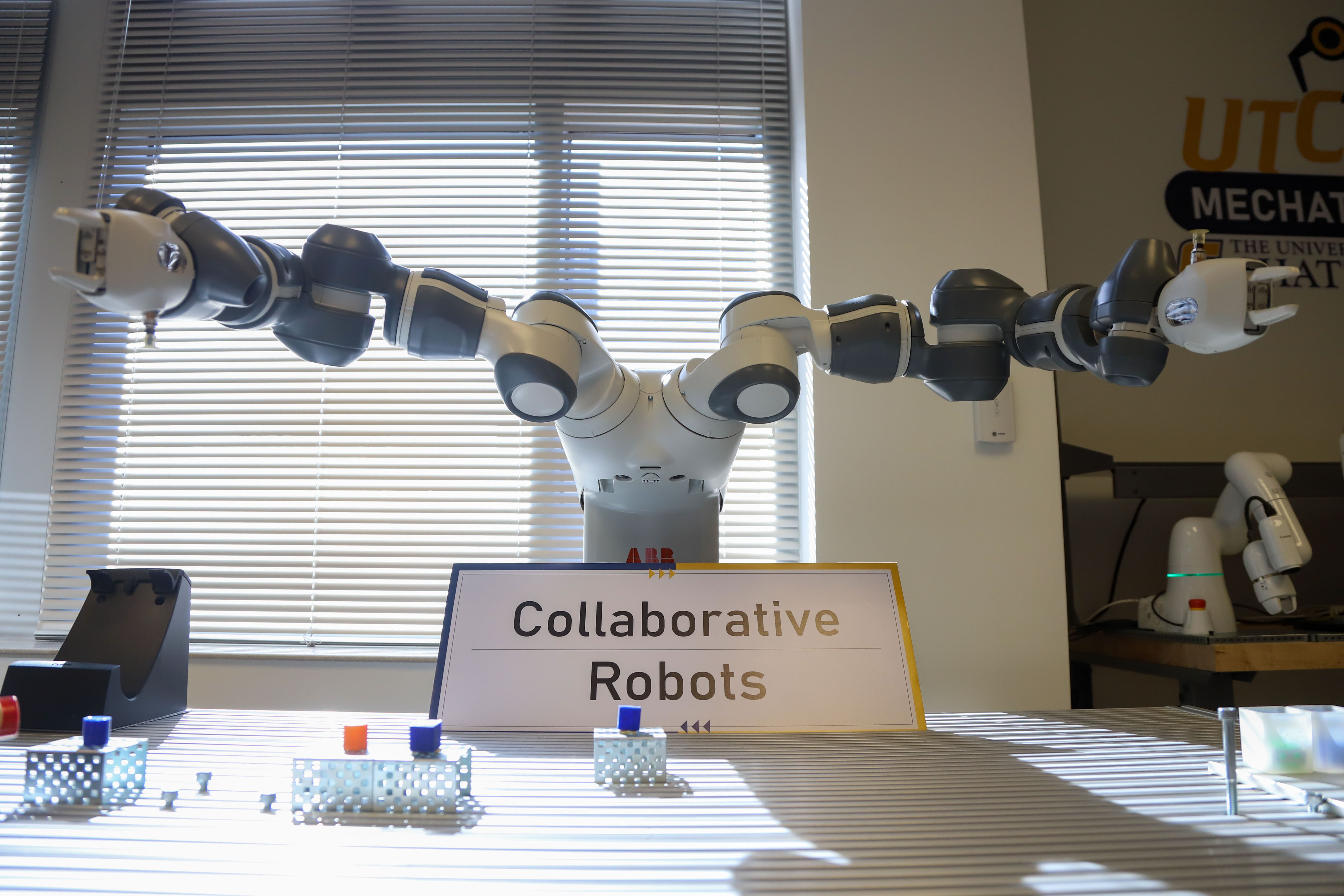
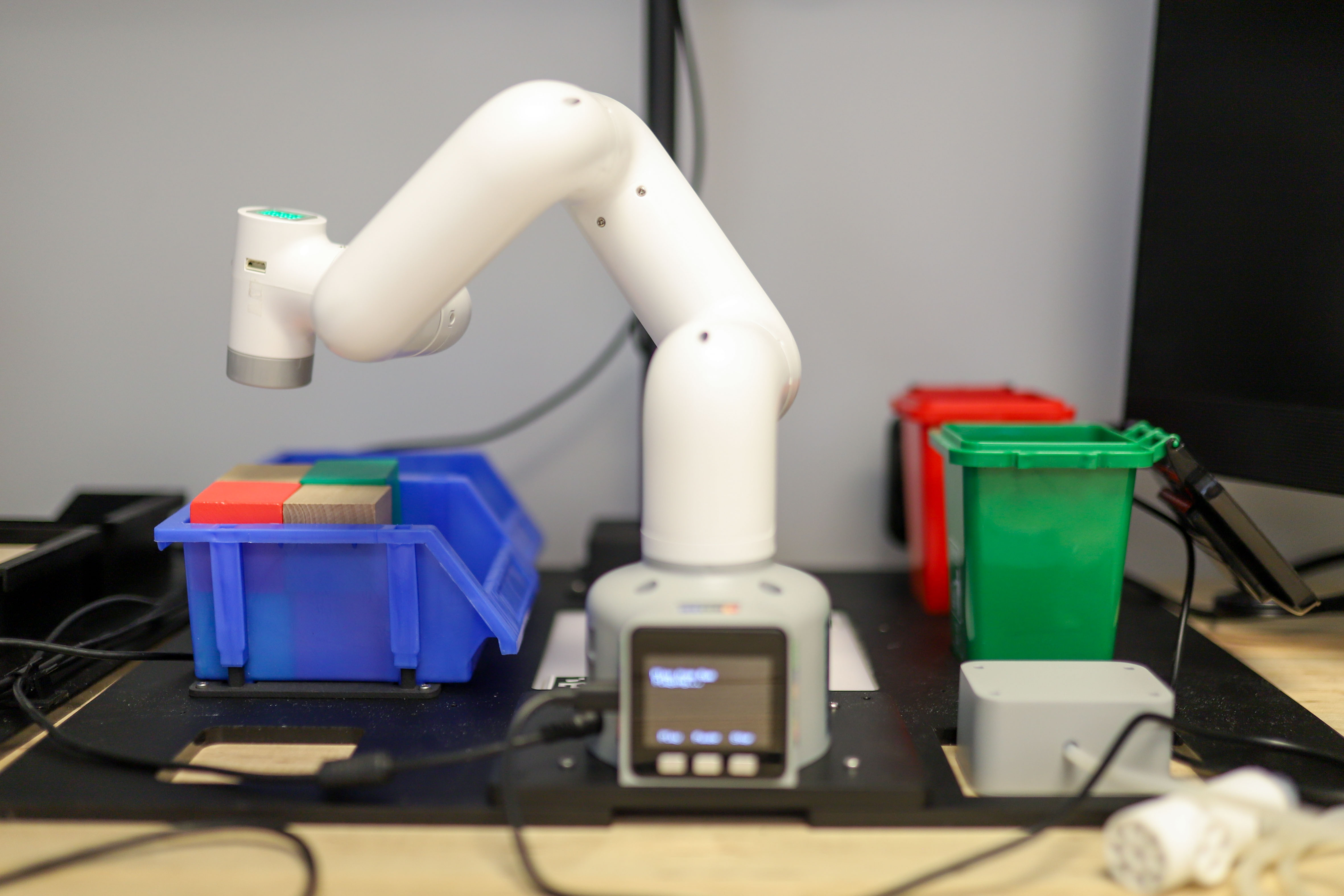
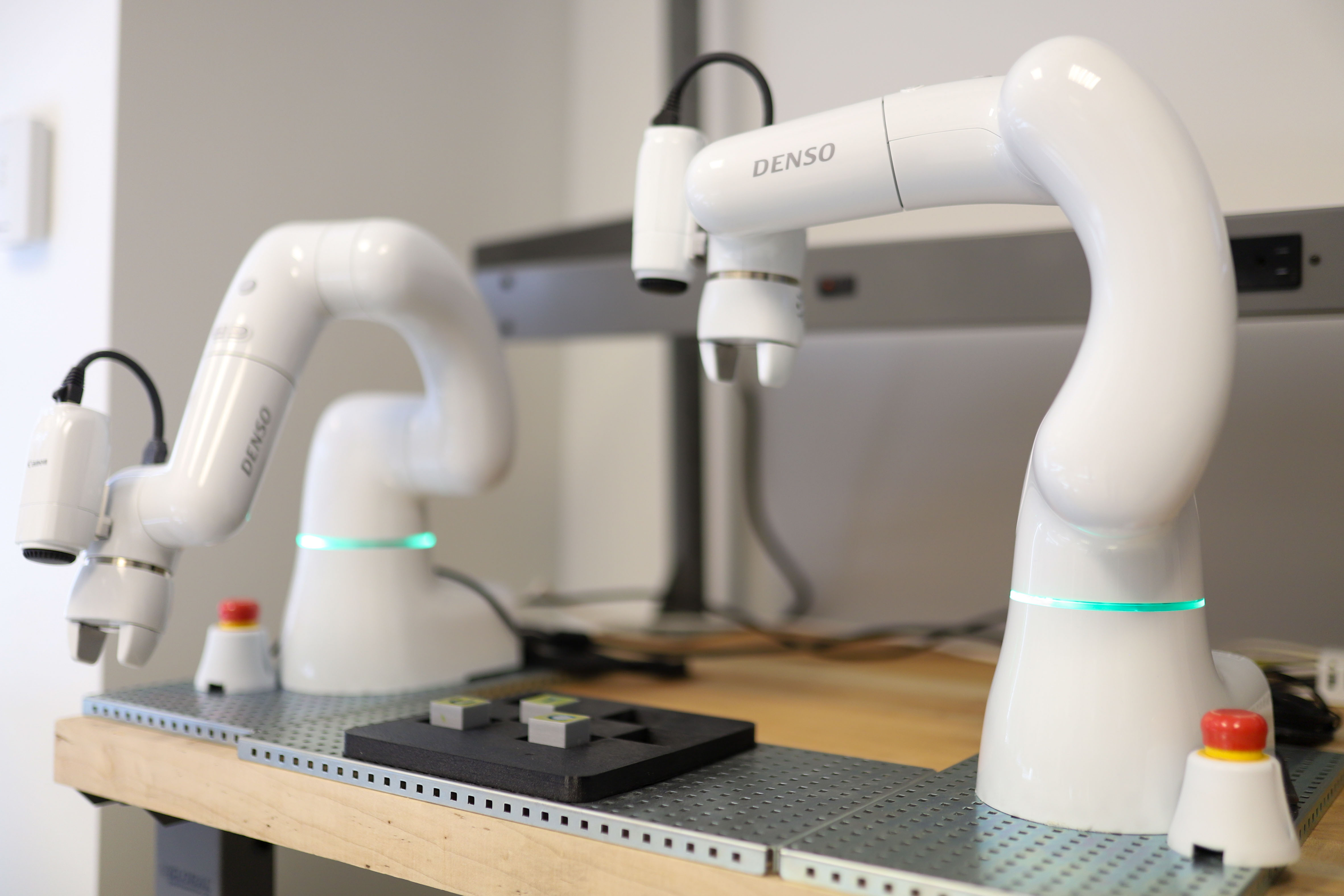
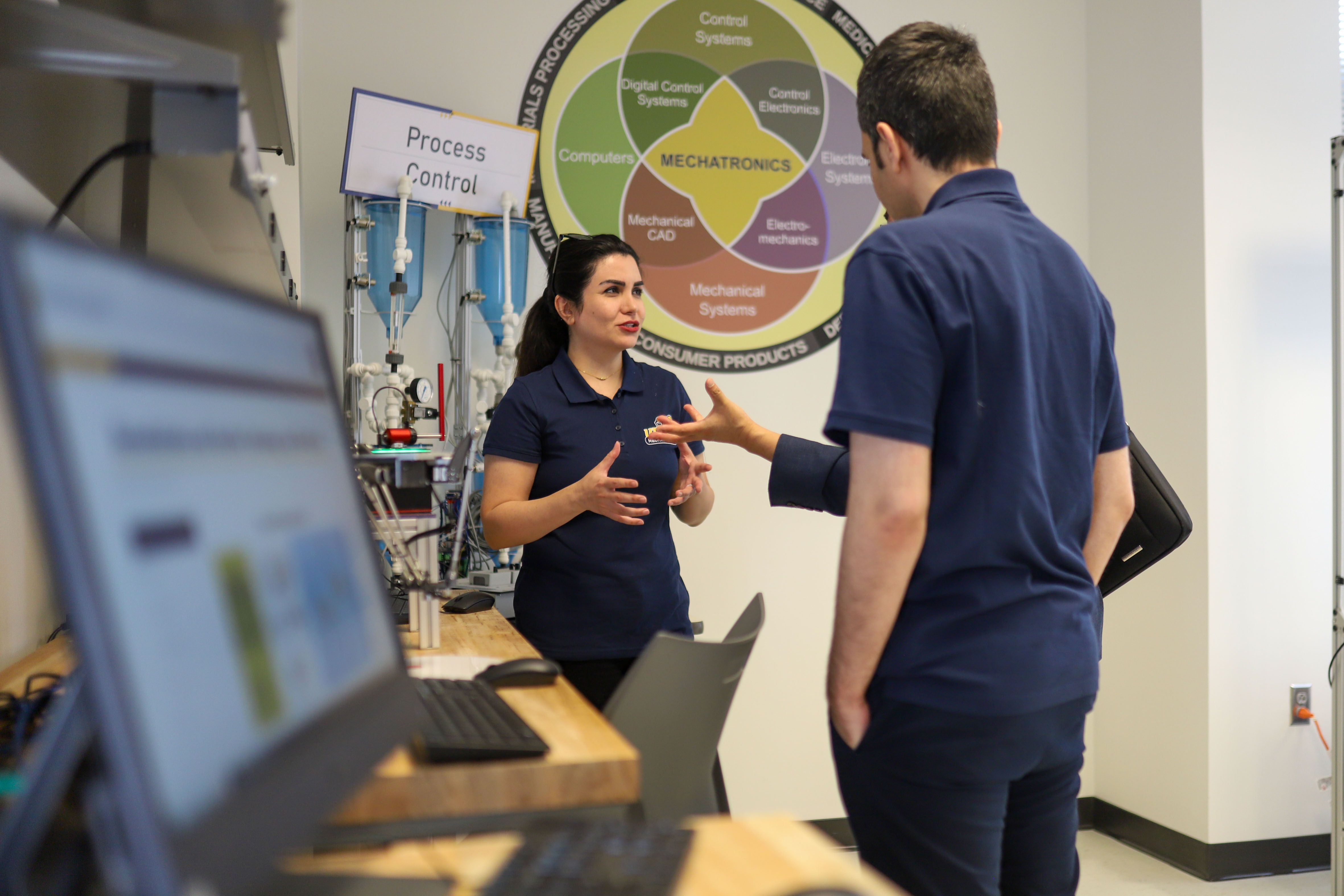
UTC’s mechatronics program started in 2018 with five students, he said. Today, the initiative has grown to about 100, Nasab said. The program’s first lab opened in 2020 with a focus on automation.
UTC Chancellor Steven Angle said the labs inspire students to learn.
“It prepares students for the future,” he told a small group at a ribbon-cutting for the new lab. “We hope businesses will look at this and say UTC is where to go.”
Angle said his son is eyeing engineering as a career and he’d look at the lab and say, “It’s like being in a candy shop.”
Daniel Pack, dean of the College of Engineering and Computer Science, said at the event that the lab is part of the expansion of the mechatronics program.
“This is our way of training future leaders,” he said, noting the experience the lab offers is “immeasurably important.”
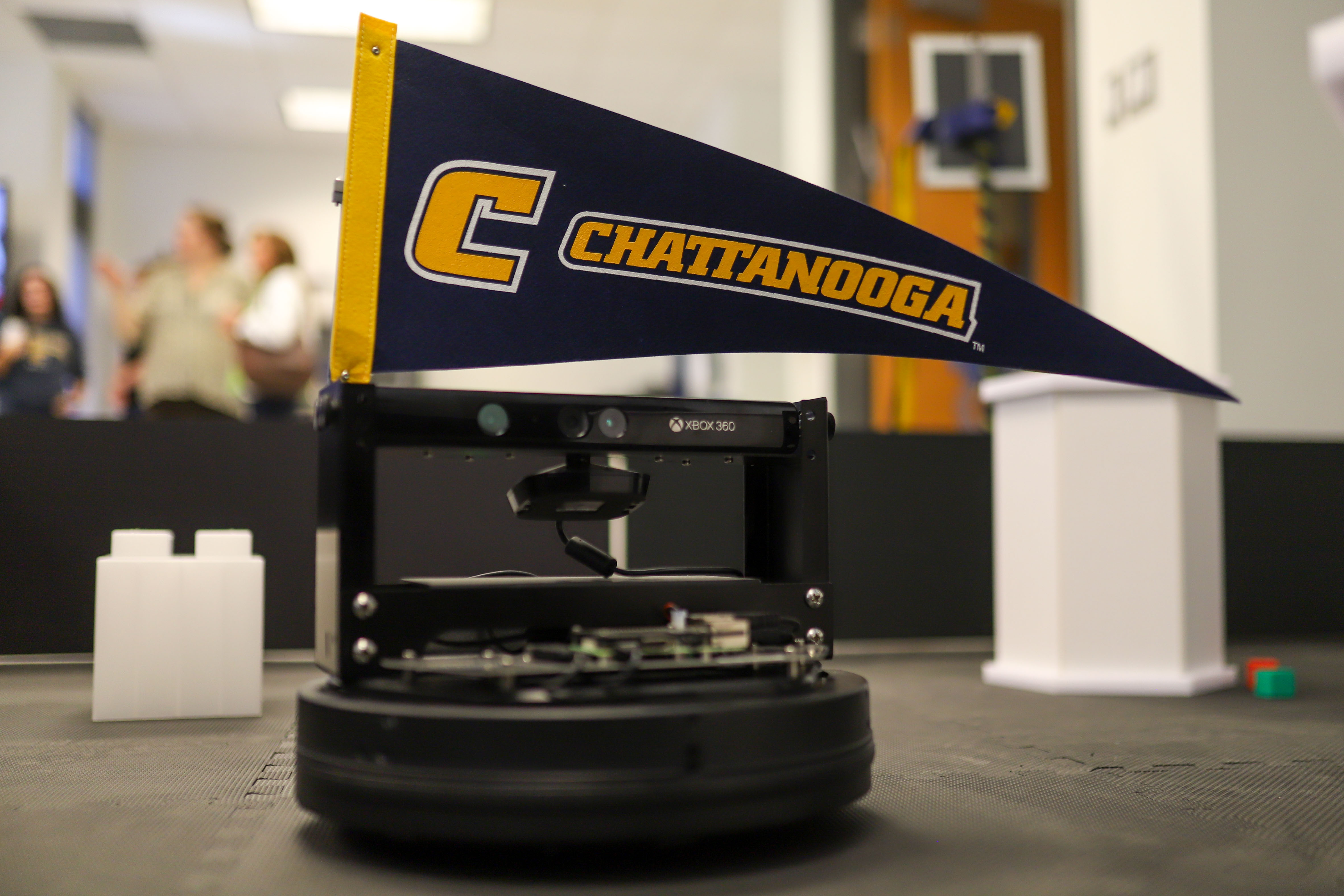
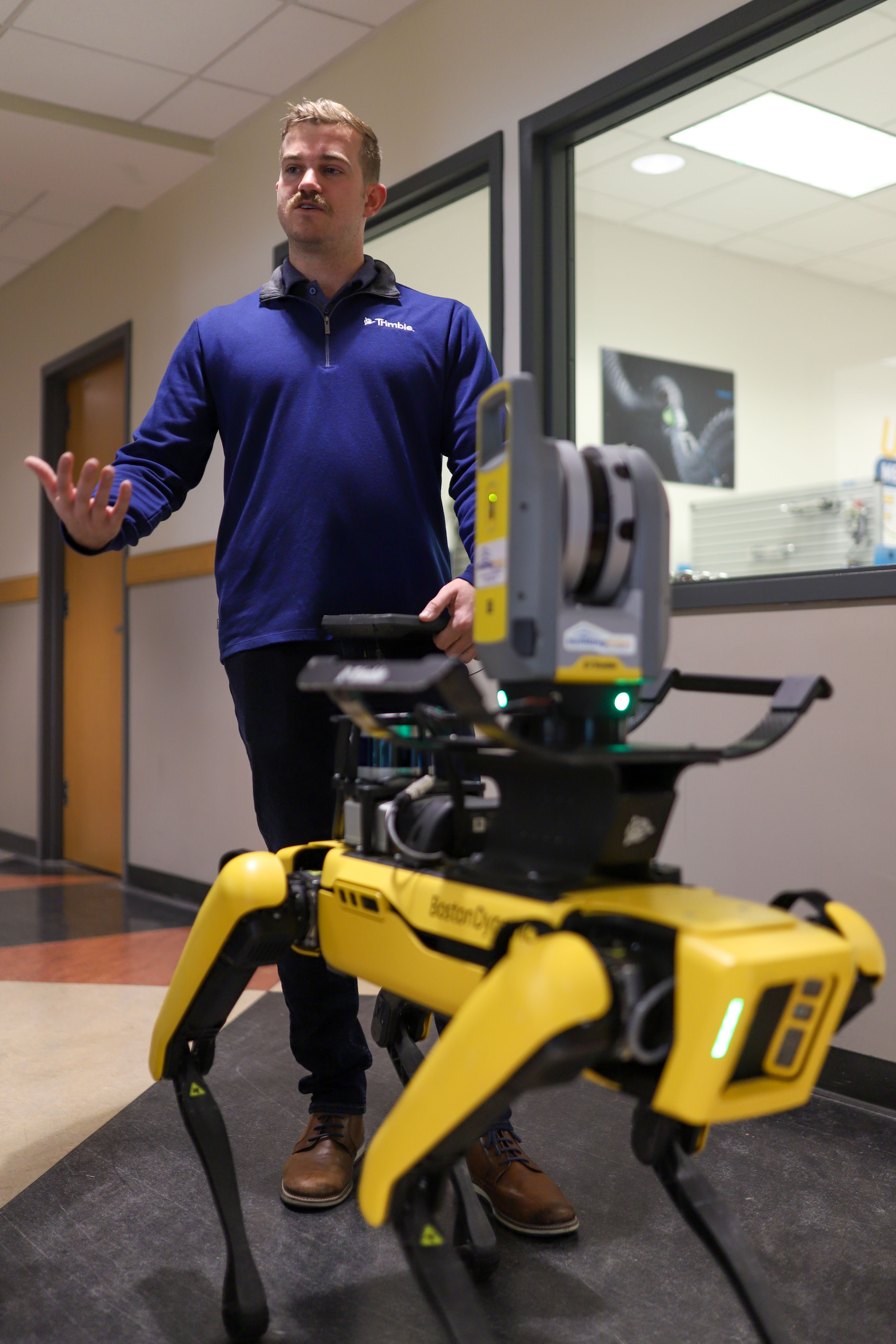
Nasab said the technology introduced in the labs is the latest available and often seen in the workplace.
He said Volkswagen’s Chattanooga plant is an example where mechatronics is key in the production of its vehicles.
“We collaborate with Volkswagen,” the department head said.
Volkswagen Chattanooga offers a Mechatronics Akademie for students in Hamilton County Schools as well as a Robotronics Technology Apprenticeship Program, from which graduates can earn a conditional job offer from the automaker.
According to VW, the programs are expanding as the automaker makes the transition from building conventionally powered autos to more electric vehicles.
But, Nasab said, other manufacturers such as food processors and packers, companies involved in logistics and warehousing and construction firms use the technology.
“Drones fall under this. They’re flying robots,” he said.
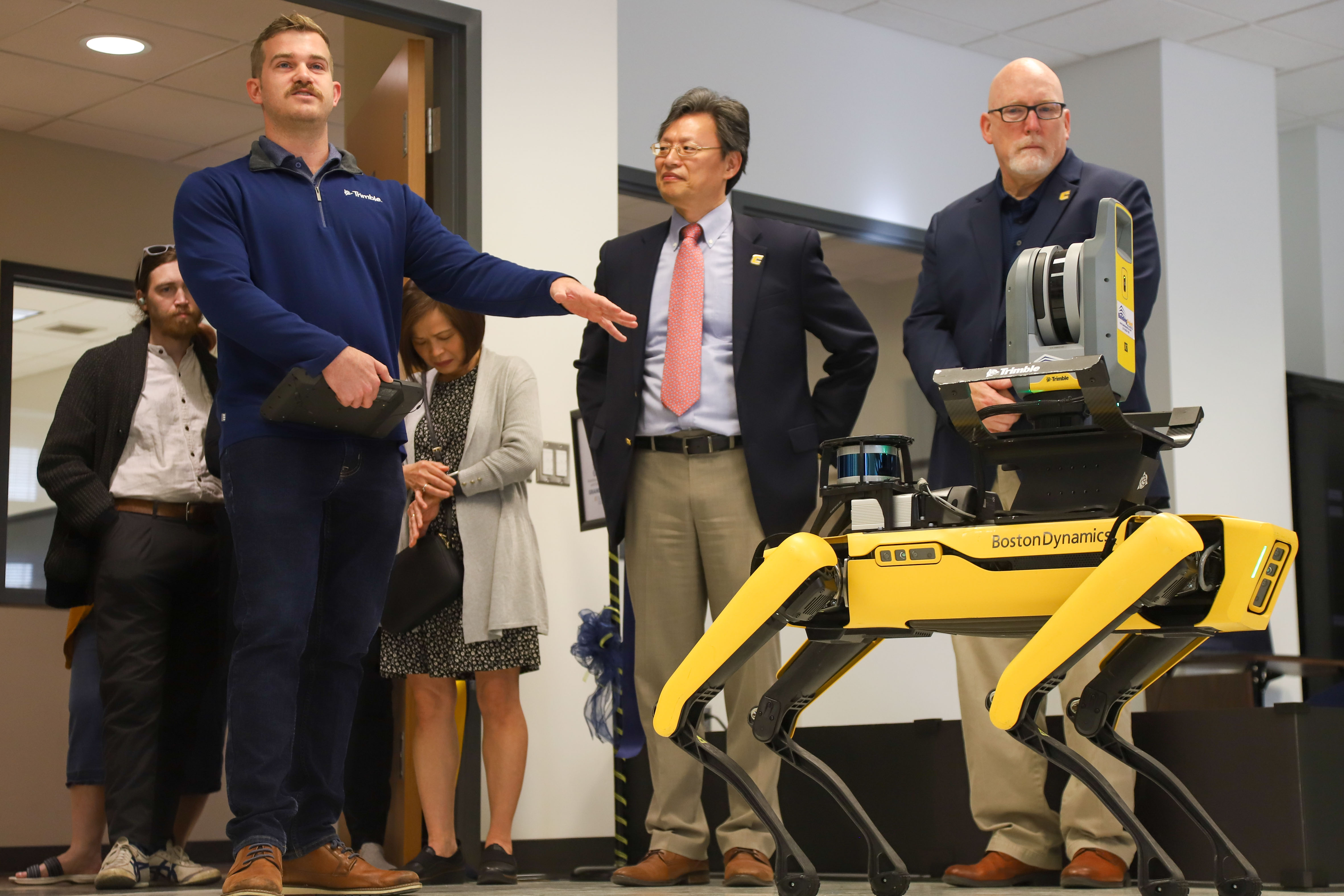
Treg Beer, sales manager for robotics at the industrial technology company Trimble, said in an interview that the business supports labs and programs such as UTC’s.
“Working with universities and students is an important part of what we do,” he said. “It creates that collaborative environment. We’re enabling the next generation of students to work for us.”
Contact Mike Pare at mpare@timesfreepress.com or 423-757-6318.