
Millions of Americans attended parades, fireworks and other Independence Day events on Tuesday, celebrating the courage of the nation’s 18th century patriots who fought for independence from Great Britain and what they considered an unjust government. Those events also will honor the military and those who sacrificed in other conflicts that helped preserve the nation’s freedom over its 247-year history.
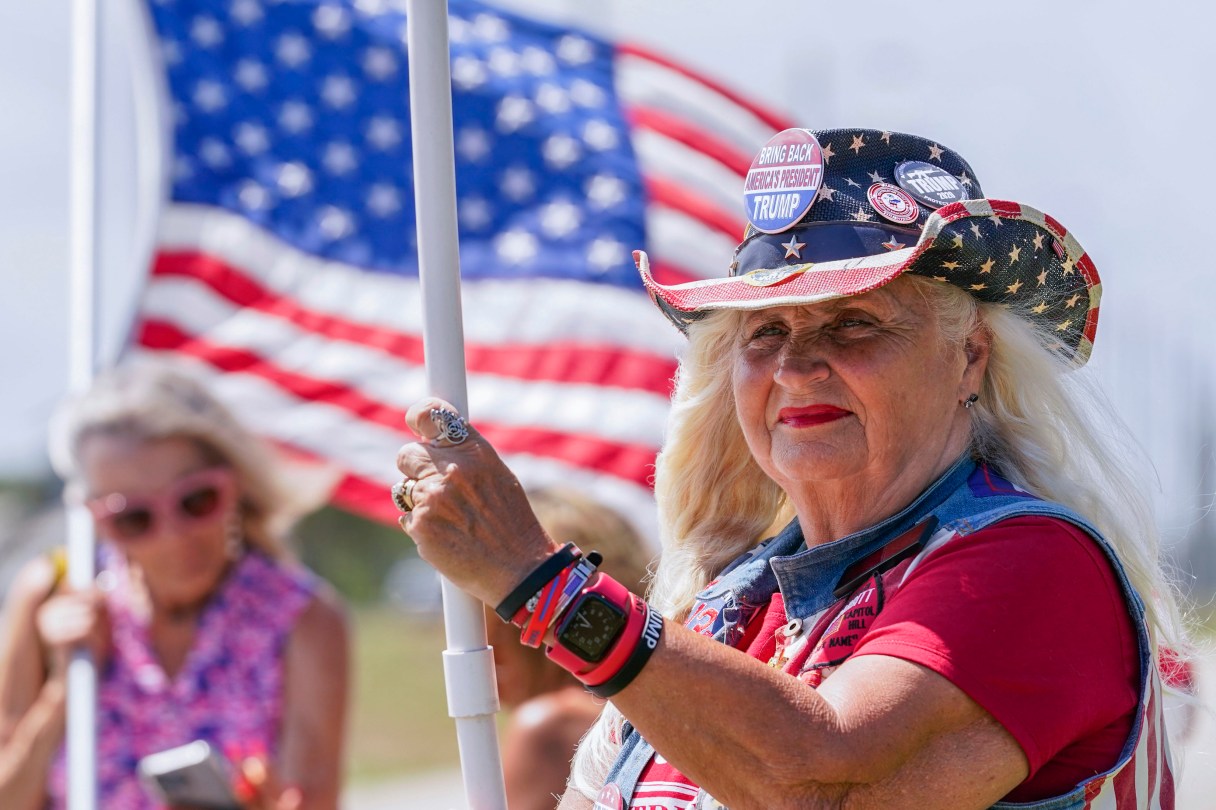
That is only one version of a “patriot.” Today, the word and its variants have morphed beyond the original meaning. It has become infused in political rhetoric and school curriculums, with varying definitions, while being appropriated by white nationalist groups. Trying to define what a patriot is depends on who is being asked.
THE ORIGINAL PATRIOTS
While the word’s origins come from ancient Greece, its basic meaning in American history is someone who loves his or her country.
The original patriots come from the American Revolution, most often associated with figures such as Sam Adams and Benjamin Franklin. But enslaved people who advocated for abolition and members of native communities trying to recover or retain their sovereignty also saw themselves as patriots, said Nathaniel Sheidley, president and CEO of Revolutionary Spaces in Boston. The group runs the Old State House and Old South Meeting House, which played central roles in the revolution.