
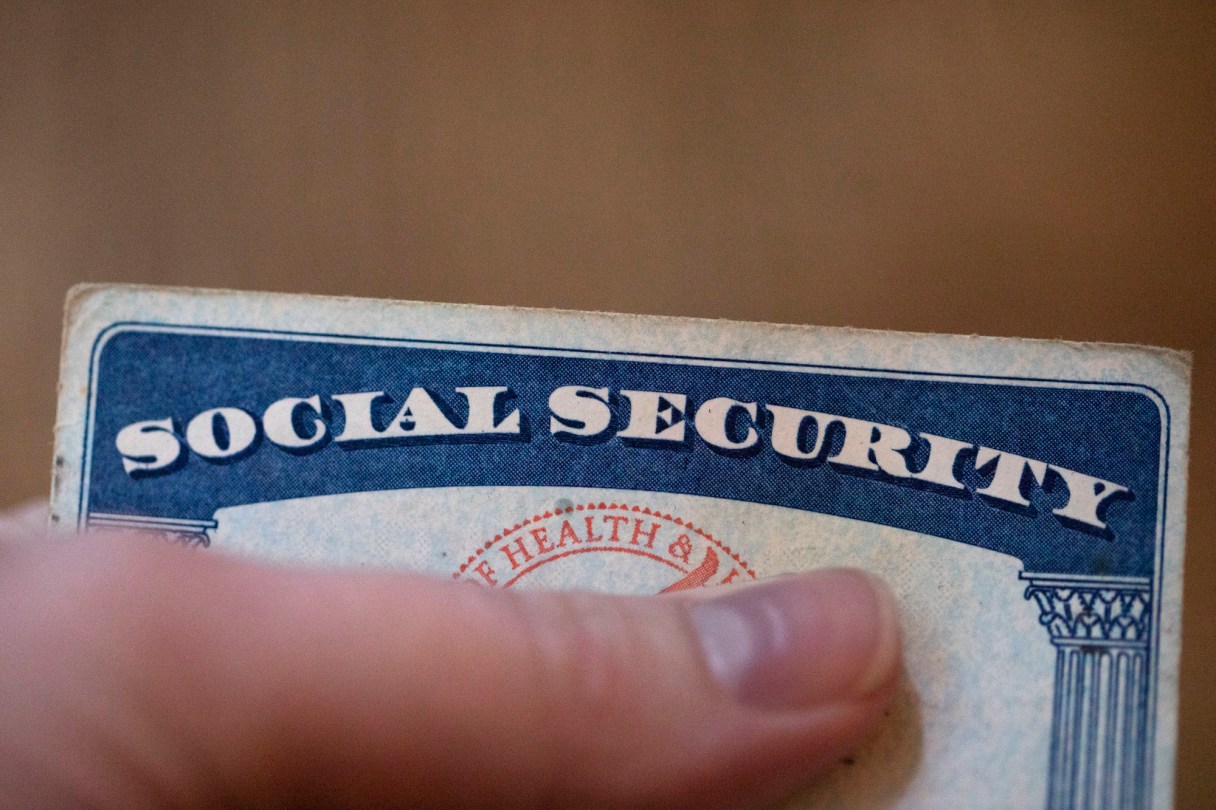
It has been nearly 40 years since Congress was able to find common ground on the future of Social Security. While millions of people depend on the system as a lifeline, politicians have done little to slow the erosion of the program’s finances.
If the projections in the latest trustees report come to pass, the program without change would pay promised benefits into 2033, at which point the incoming revenue would be sufficient to cover roughly 77% of promised benefits.
That is not a long time, considering that the Social Security Administration expects someone turning 79 today to live long enough to feel the impact of these changes.
Many Americans mistakenly believe this outlook means the nation has 10 years to think about the problem. It doesn’t.
The truth is that if the economy doesn’t cooperate, the consequences of Social Security will arrive sooner and hit harder than anyone expects. No one knows when benefits might be reduced, nor how much.