
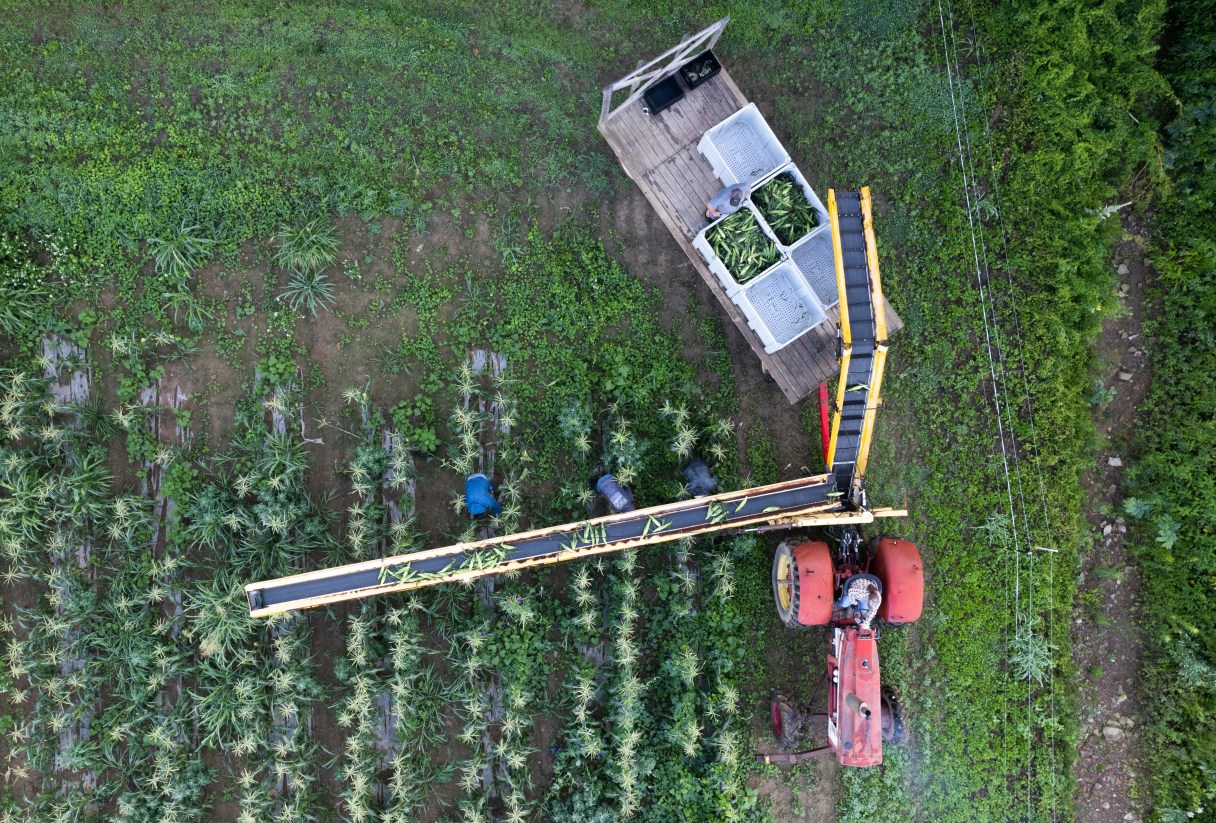
Mily Trevino-Sauceda was 9 when her mother fell as she worked to move irrigation pipes along rows of potato and alfalfa on an Idaho farm. Mily’s 10-year-old brother splashed water over their mother’s face and body while her children looked on, scared and crying. Their mother had fainted from the heat, and could never again work as fast or as long in the sun.
Decades later, the memory remains sharp for Trevino-Sauceda, who says few systemic changes have been made to safeguard farmworkers from extreme heat.
“Knowing all this still happens, it angers,” said Trevino-Sauceda, now the executive director of Alianza de Campesinas, a women farmworkers’ organization based in Oxnard, California. “It angers because we know what it is to do this kind of work. And even though we want to be loyal to doing a good job, we don’t even think at the time that if we’re treated as human beings or not. We just want to survive it.”
As Earth this week set and then repeatedly broke unofficial records for average global heat, it served as a reminder of a danger that climate change is making steadily worse for farmworkers and others who labor outside. Heat advisories and excessive heat warnings rolled out across much of the U.S., and farms in Oregon, Texas and much of the southern and central regions of the country were expected to see highs pushing 100 next week.
Farm workers are 35 times more likely to die of heat exposure than workers in other industries, according to the National Institutes of Health, but there is no federal heat standard that ensures their health and safety.