
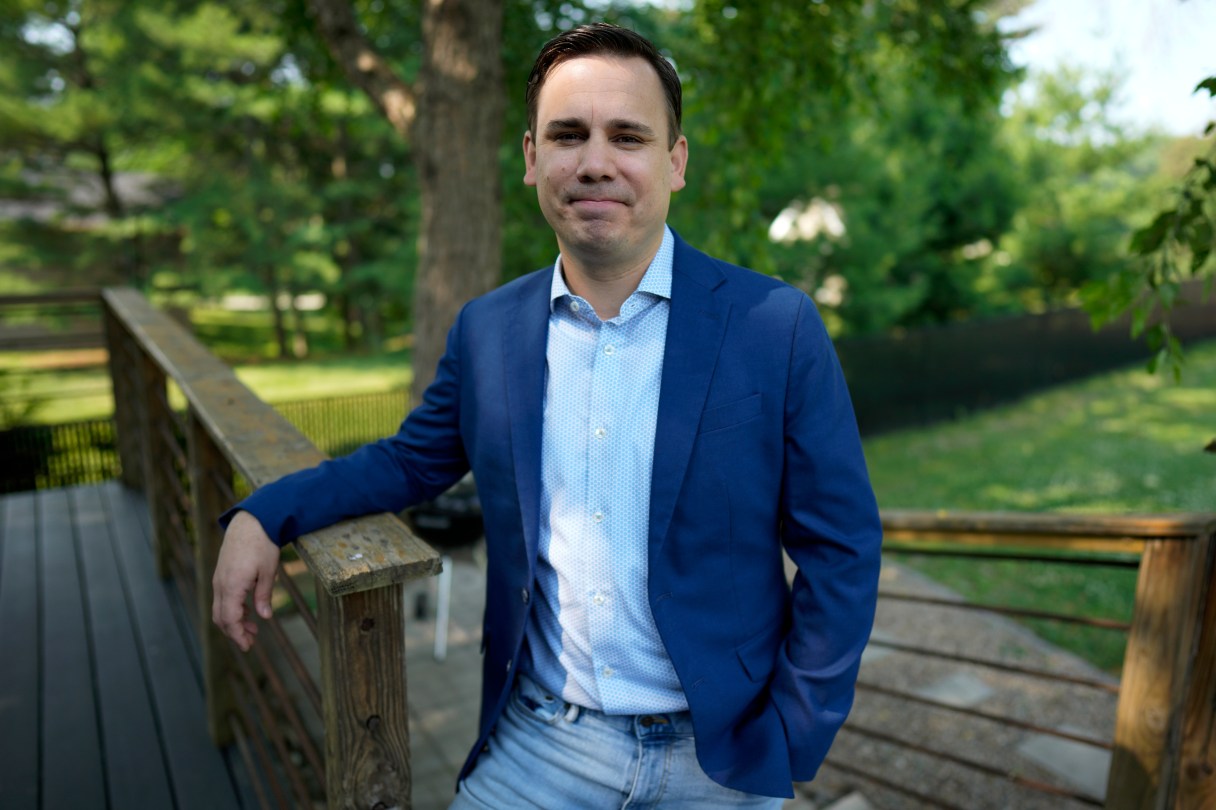
DES MOINES, Iowa (AP) — The harassment started to intensify as TV meteorologist Chris Gloninger did more reporting on climate change during local newscasts — outraged emails and even a threat to show up at his house.
Gloninger said he had been recruited, in part, to “shake things up” at the Iowa station where he worked, but backlash was building. The man who sent him a series of threatening emails was charged with third-degree harassment. The Des Moines station asked him to dial back his coverage, facing what he called an understandable pressure to maintain ratings.
“I started just connecting the dots between extreme weather and climate change, and then the volume of pushback started to increase quite dramatically,” he said in an interview with The Associated Press.
So, on June 21, he announced that he was leaving KCCI-TV — and his 18-year career in broadcast journalism altogether.
Gloninger’s experience is all too common among meteorologists across the country who are encountering reactions from viewers as they tie climate change to extreme temperatures, blizzards, tornadoes and floods in their local weather reports. For on-air meteorologists, the anti-science trend that has emerged in recent years compounds a deepening skepticism of the news media.