
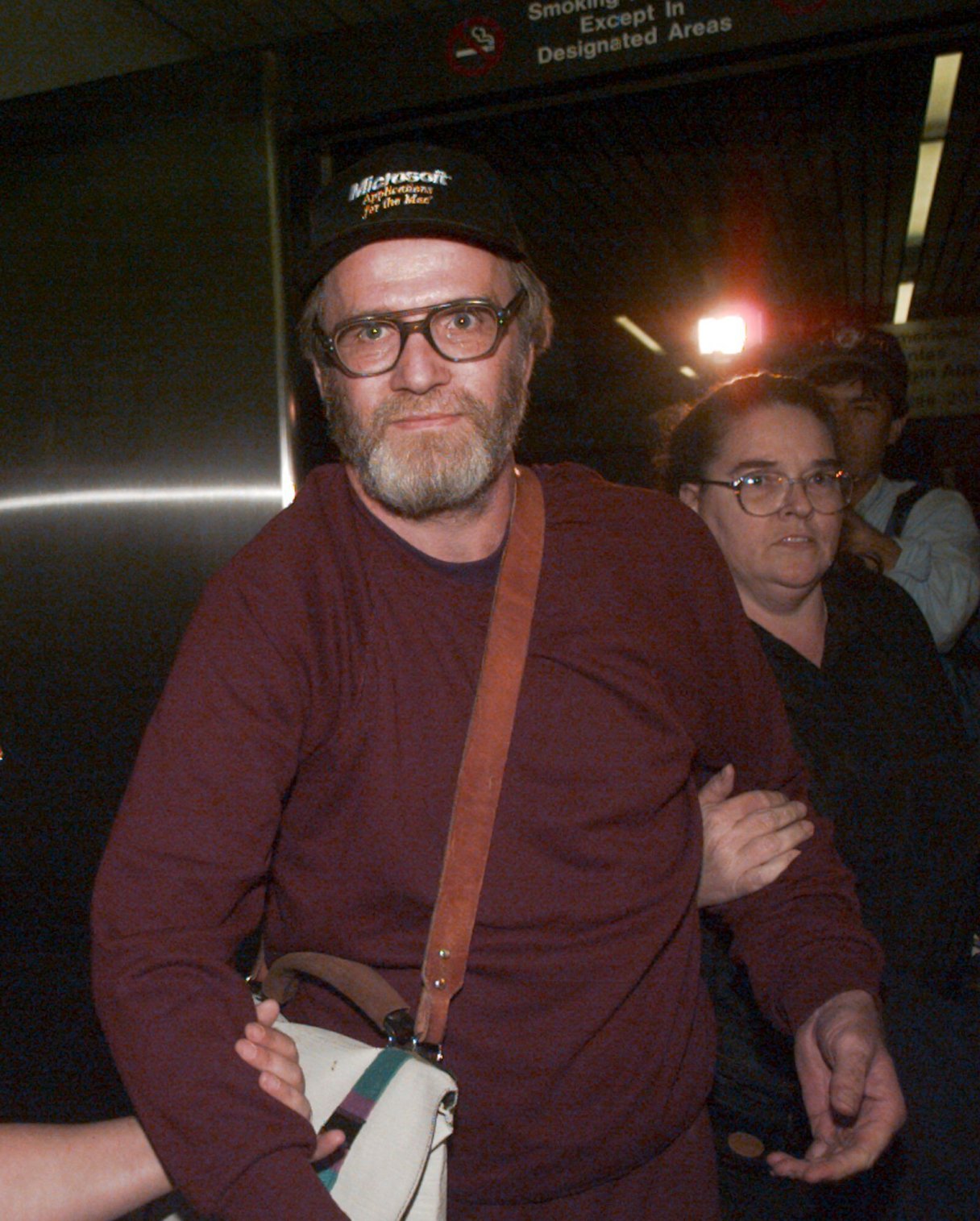
The suspect in the 1982 Tylenol poisonings that killed seven people in the Chicago area, triggered a nationwide panic, and led to an overhaul in the safety of over-the-counter medication packaging, has died, police said on Monday.
Officers, firefighters and EMTs responding to a report of an unresponsive person at about 4 p.m. Sunday found James W. Lewis dead in his Cambridge, Massachusetts, home, Cambridge Police Superintendent Frederick Cabral said in a statement. He was 76, police said.
“Following an investigation, Lewis’ death was determined to be not suspicious,” the statement says.
No one was ever charged in the deaths of seven people who took the over-the-counter painkillers laced with cyanide. Lewis served more than 12 years in prison for sending an extortion note to manufacturer Johnson & Johnson, demanding $1 million to “stop the killing.” He and his wife moved to Massachusetts in 1995 following his release. Listed numbers for his wife were not in service.
When Lewis was arrested in New York City in 1982 after a nationwide manhunt, he gave investigators a detailed account of how the killer might have operated. Lewis later admitted sending the letter and demanding the money, but he said he never intended to collect it. He said he wanted to embarrass his wife’s former employer by having the money sent to the employer’s bank account.