
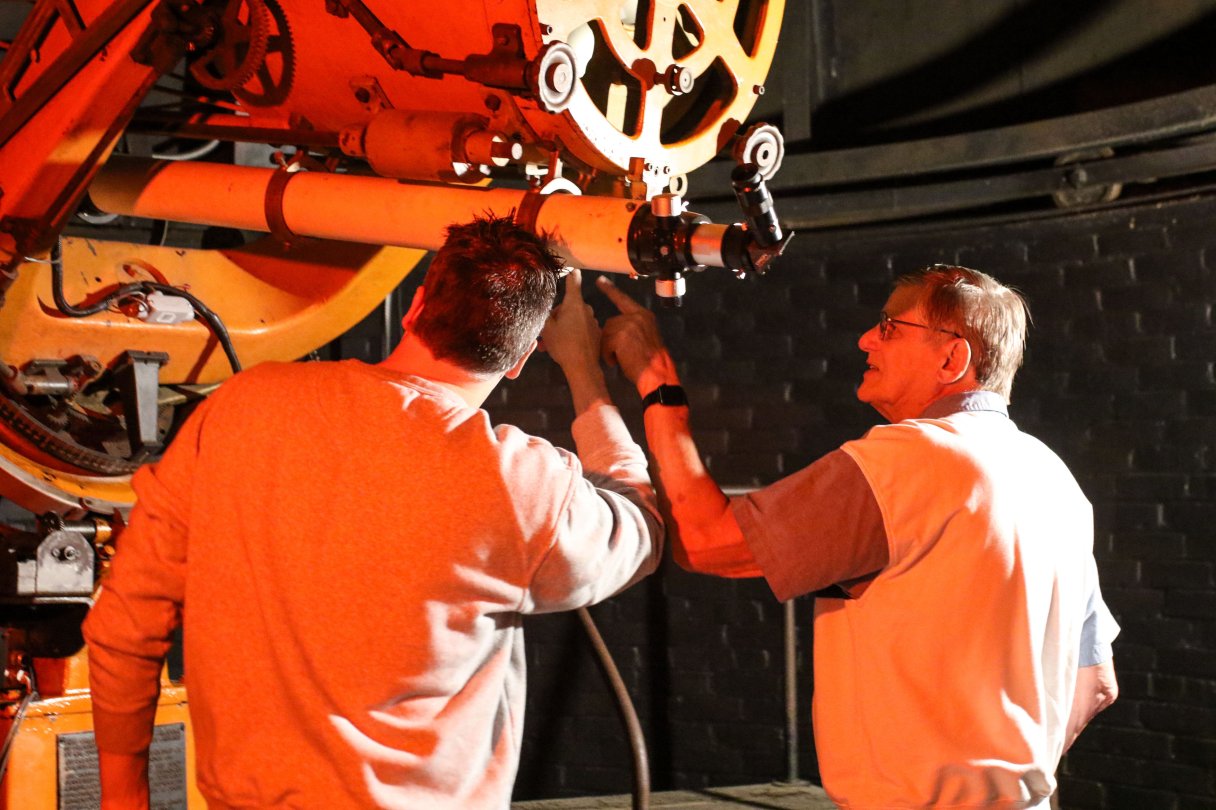
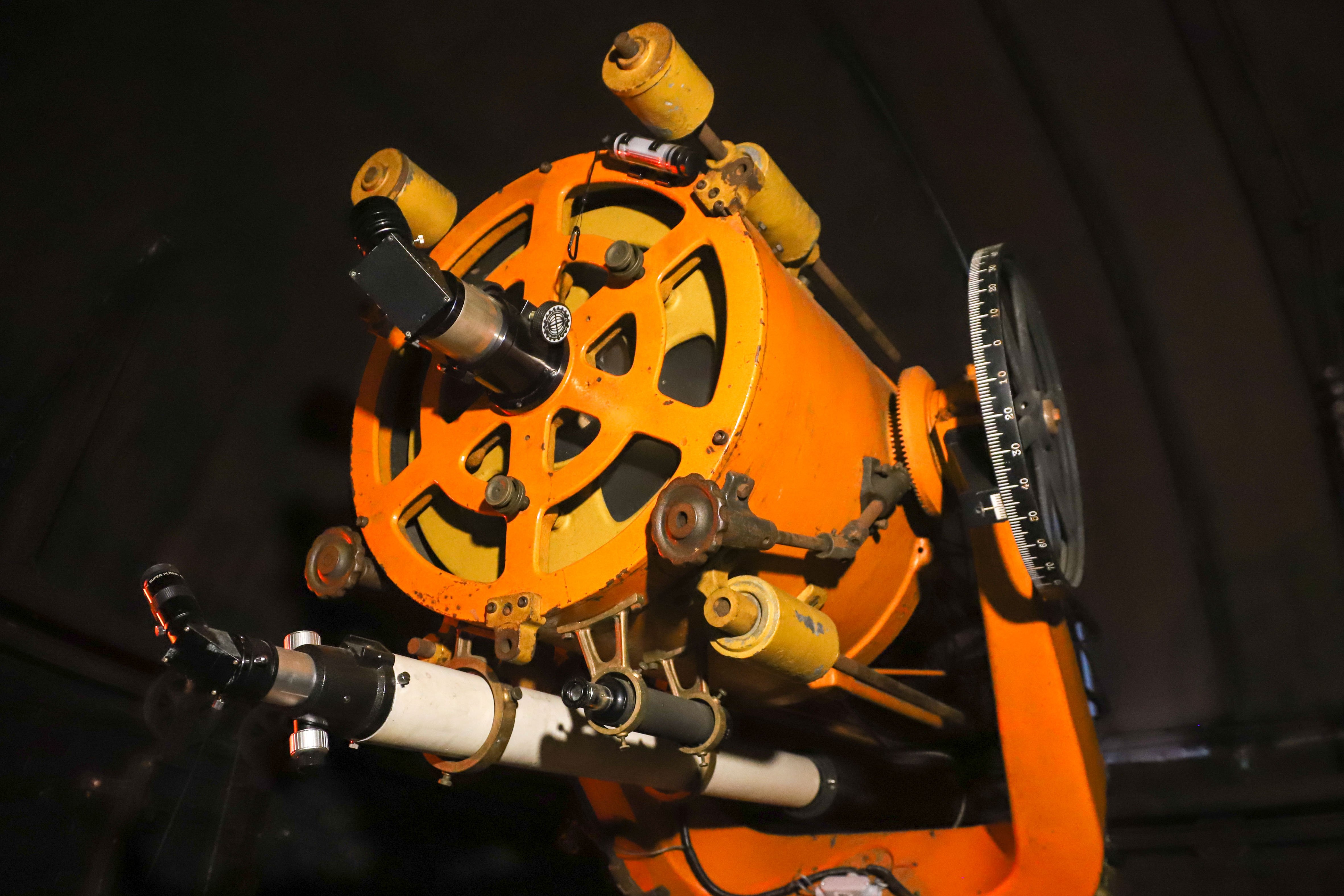
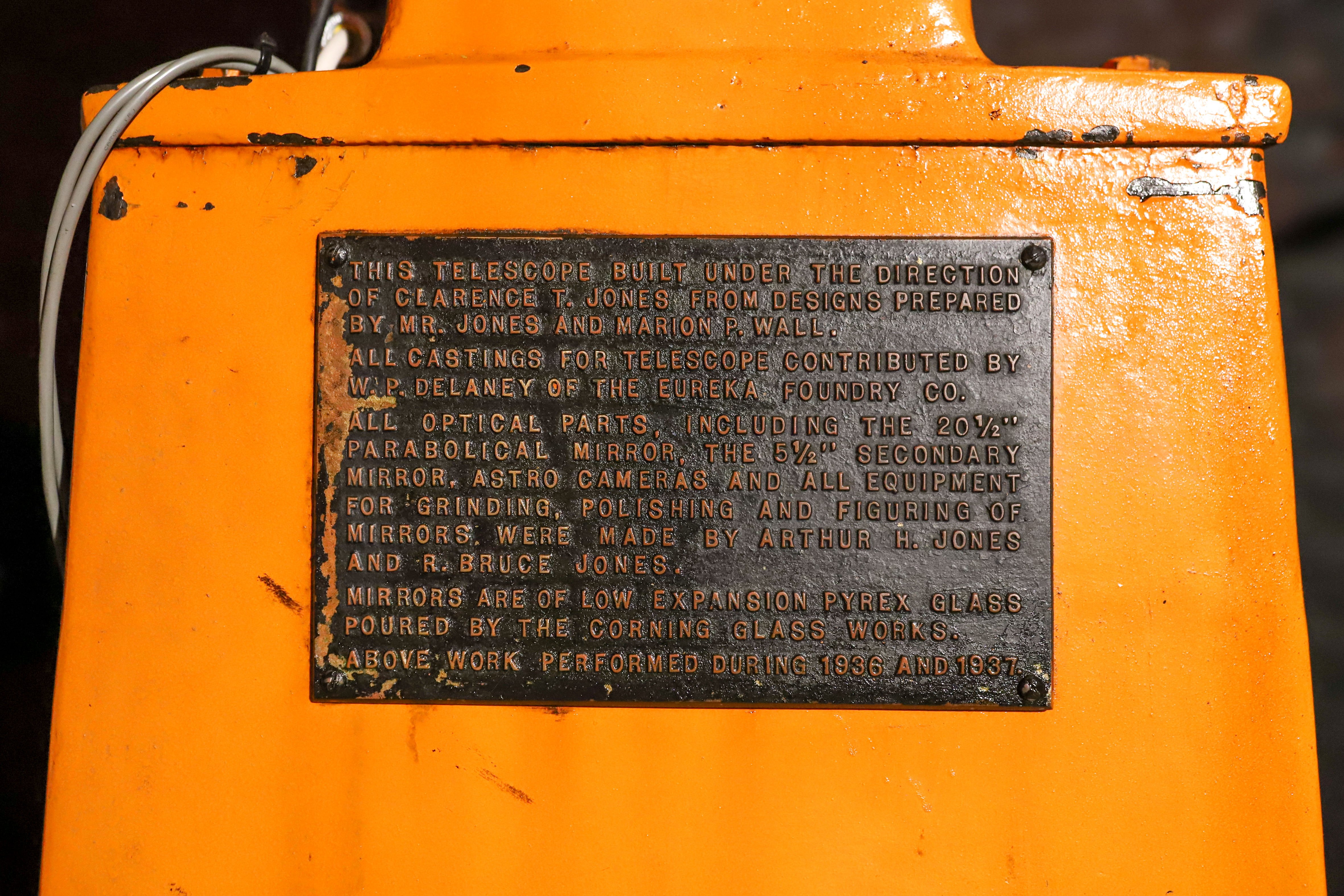
In the late 1930s, an observatory was built about 4 miles east of downtown Chattanooga, an area that was still somewhat rural and ideal for nighttime stargazing through the observatory’s 20.5-inch telescope.
Now, directors of the University of Tennessee at Chattanooga’s Clarence T. Jones Observatory say its nighttime use is challenging.
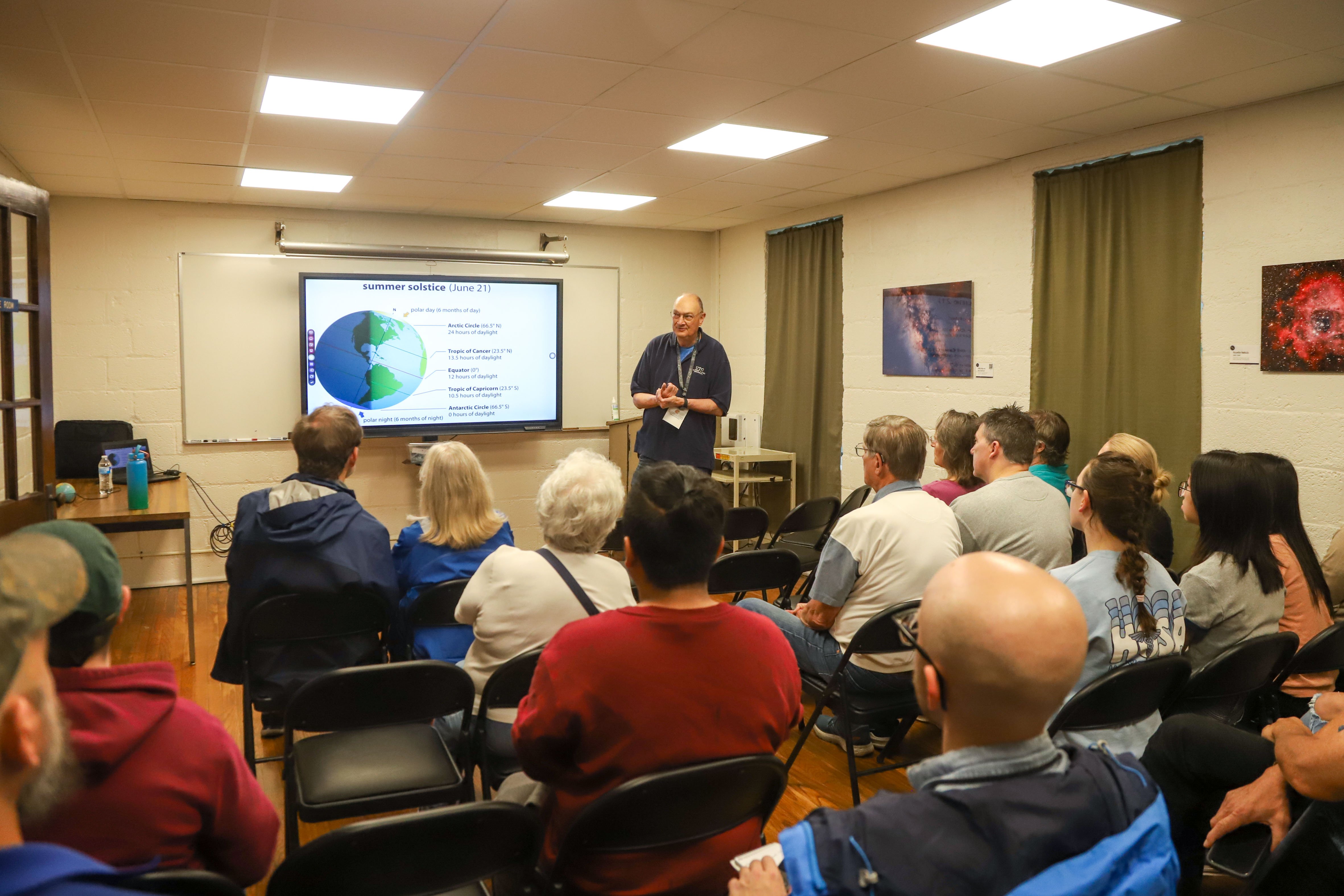
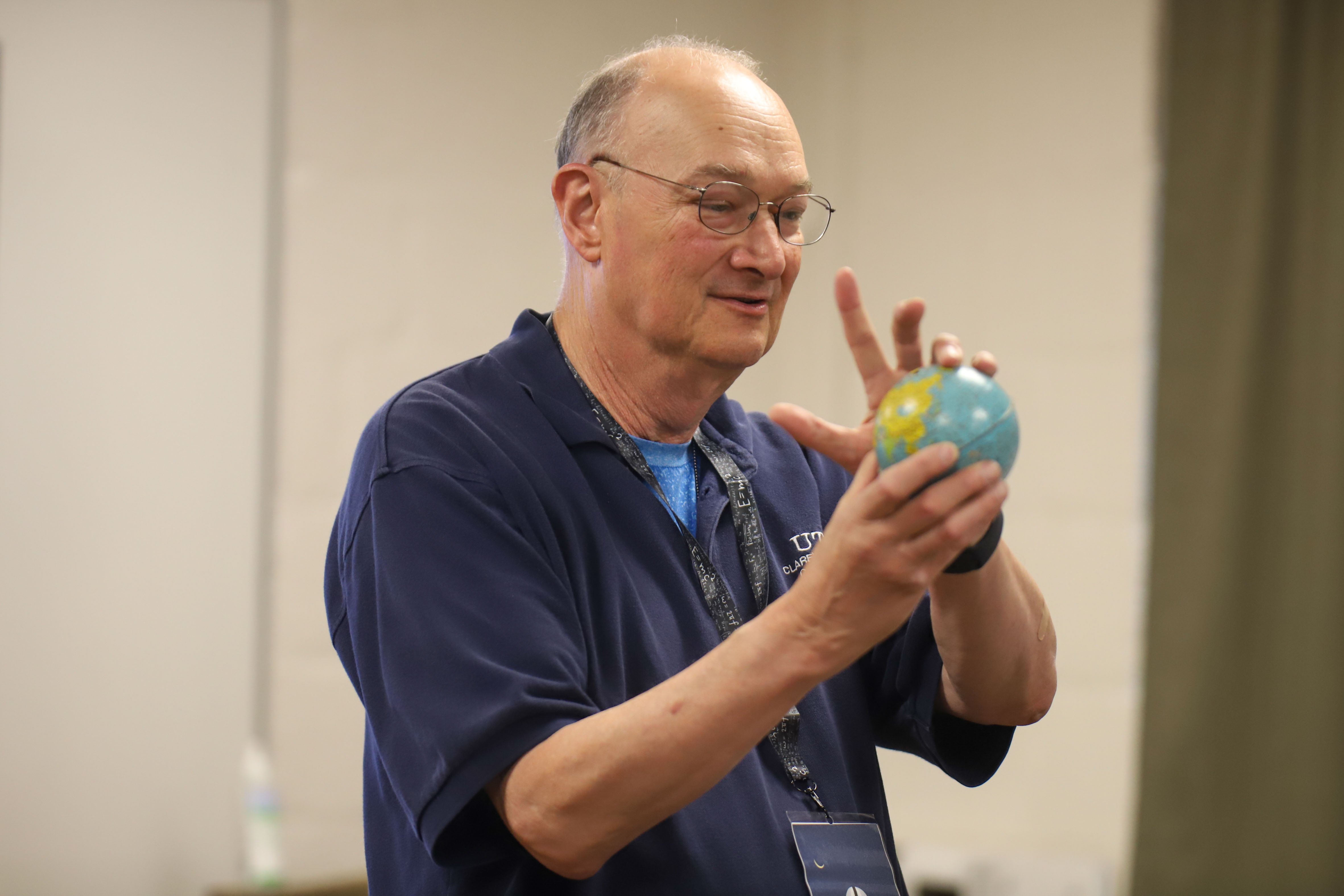
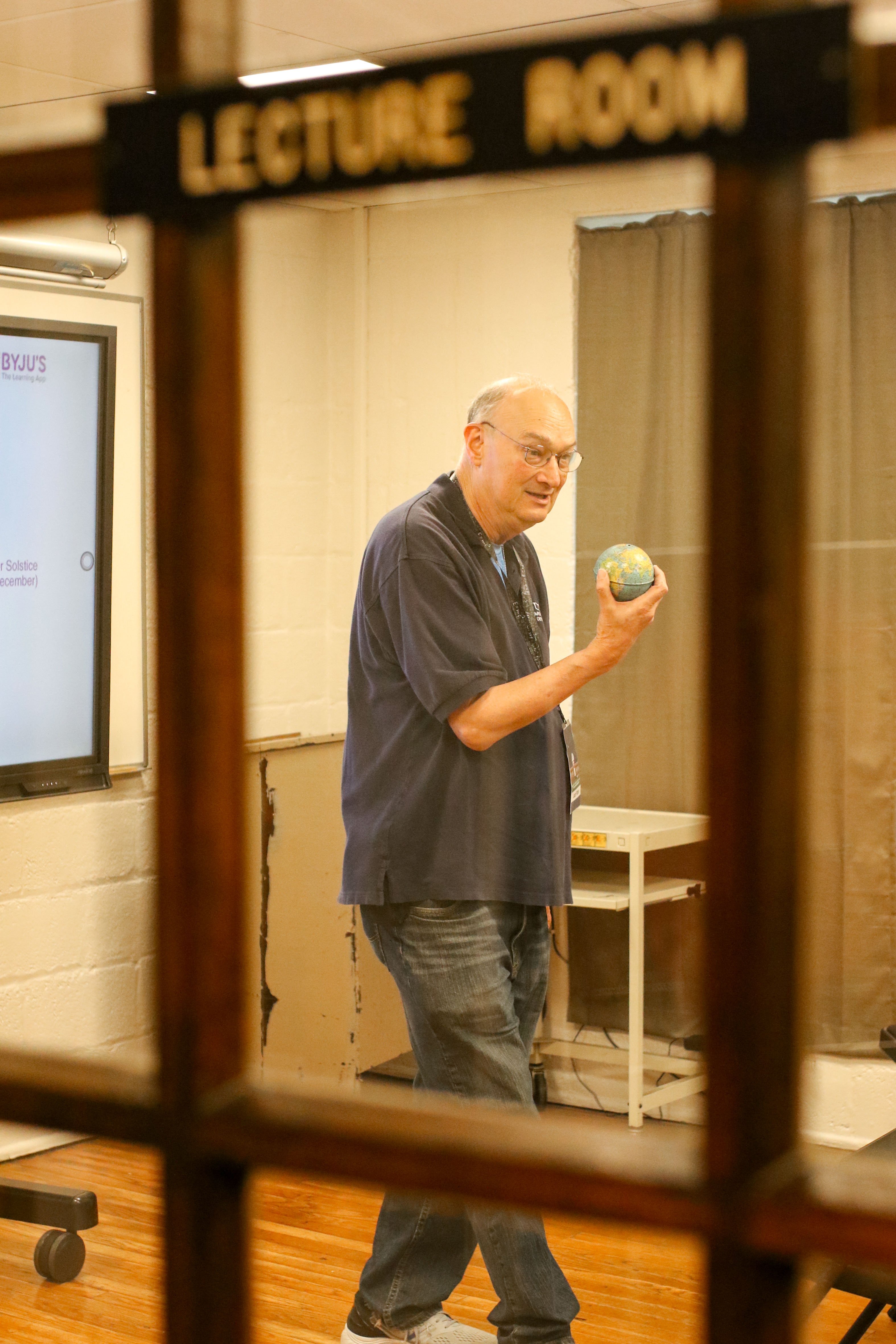
“It was never really out in the sticks, but it was close,” observatory director Jack Pitkin said in an interview Wednesday following a lecture he gave on the summer solstice at the observatory. “You didn’t really have a problem with light pollution.”
More than 80 years after it was built, the observatory finds itself on the Brainerd Road business corridor in East Chattanooga, surrounded by dozens and dozens of residences and businesses. That growth has brought economic prosperity to the area, but light pollution as well, due to artificial lighting from fixtures throughout the area.
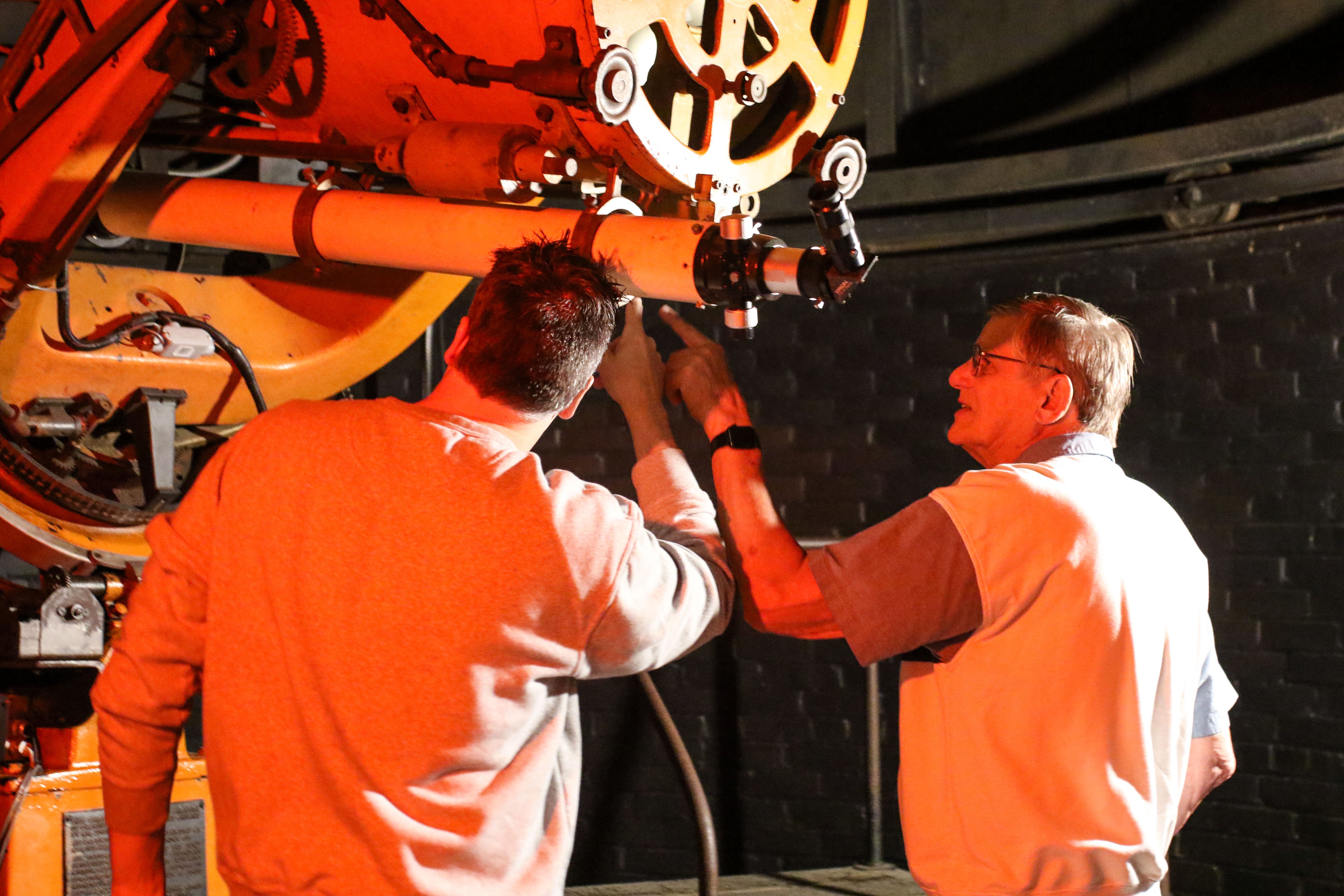

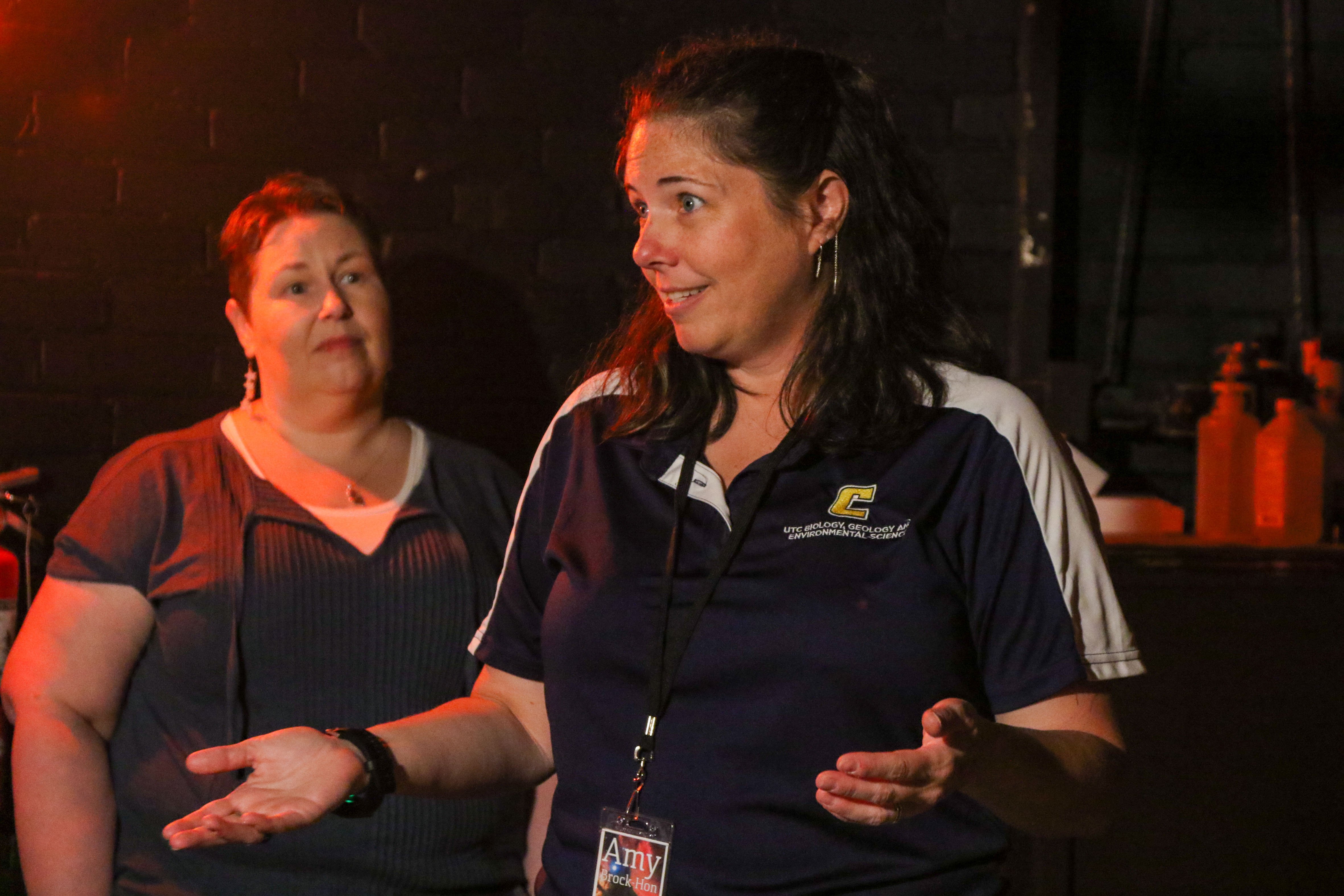
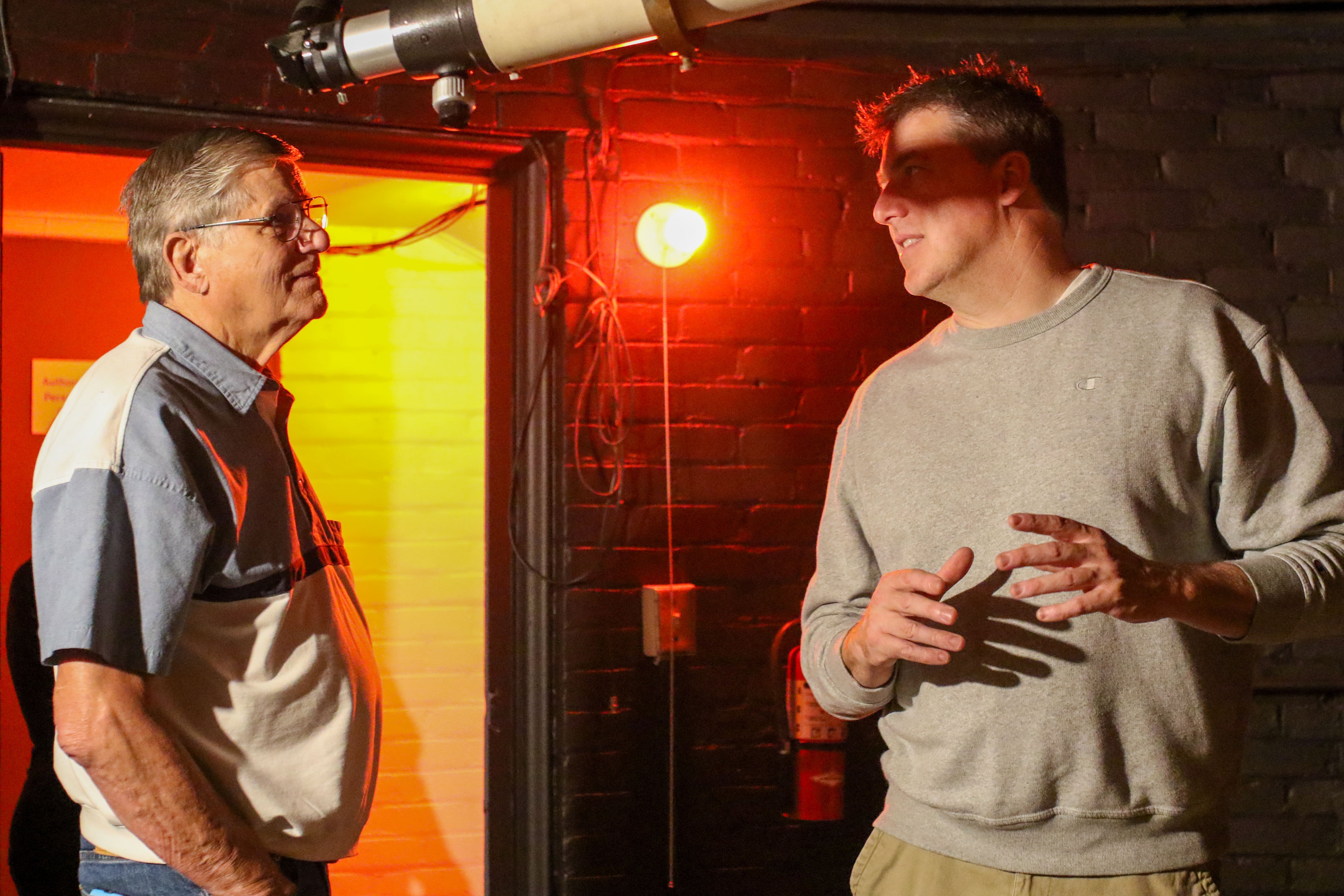

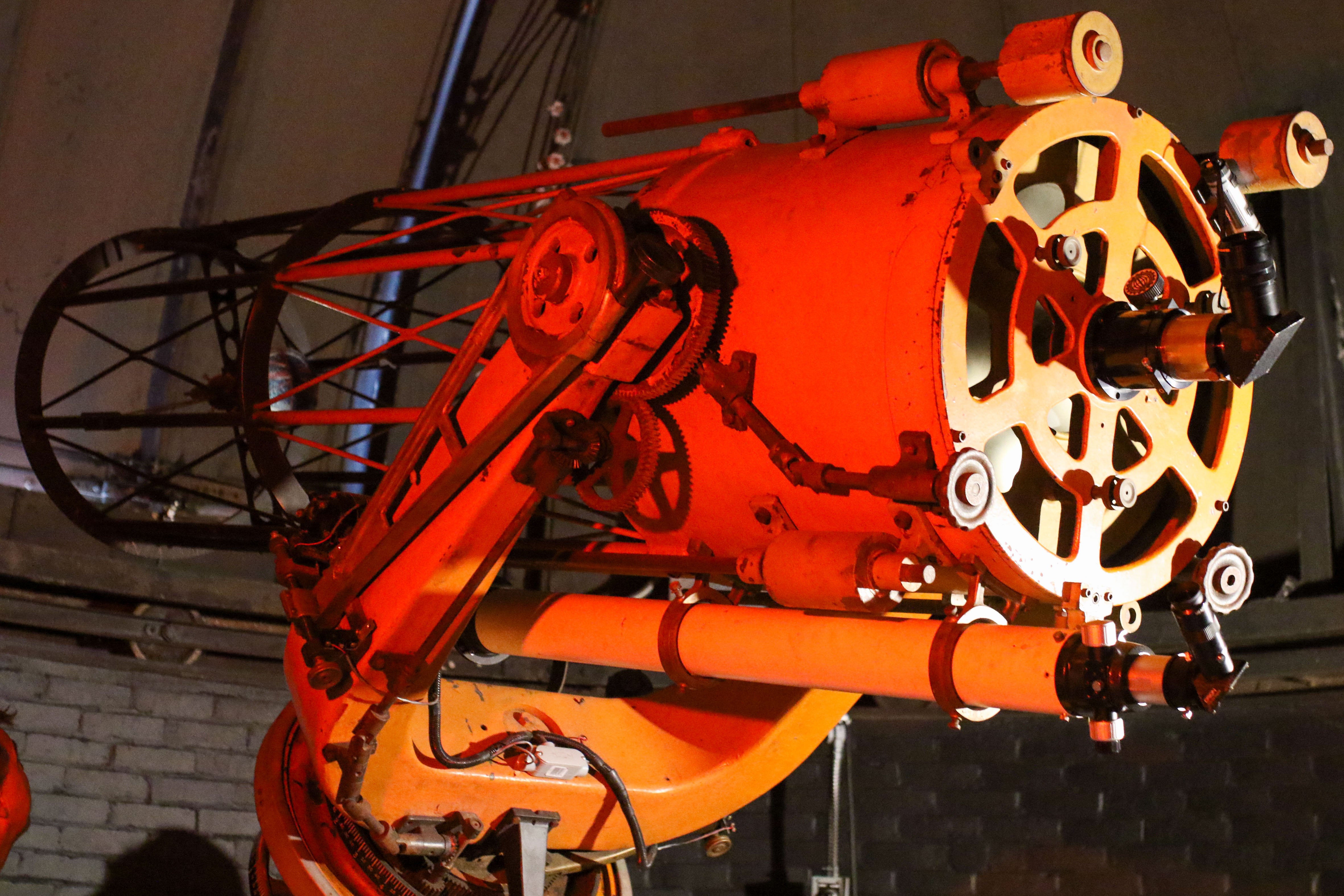
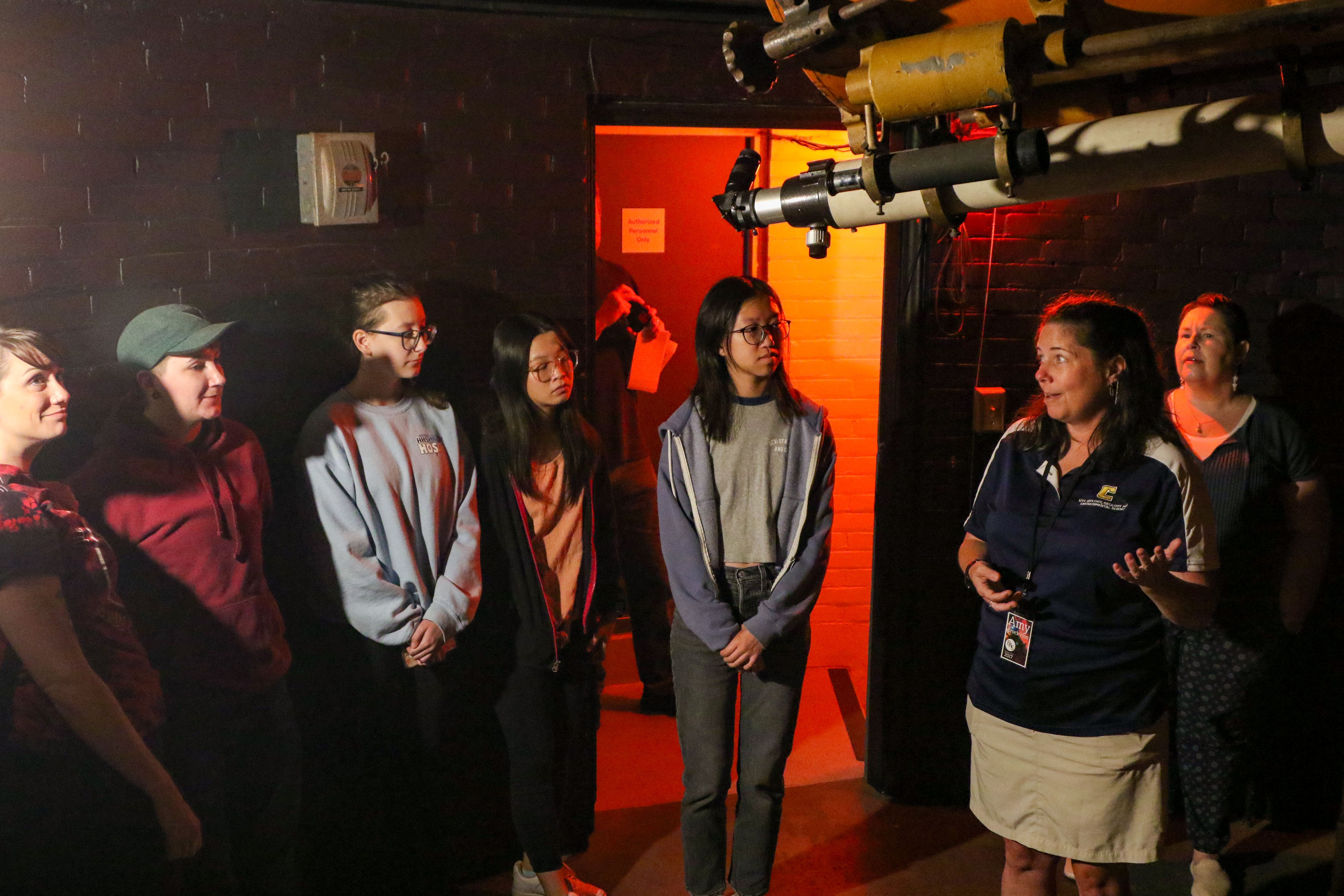
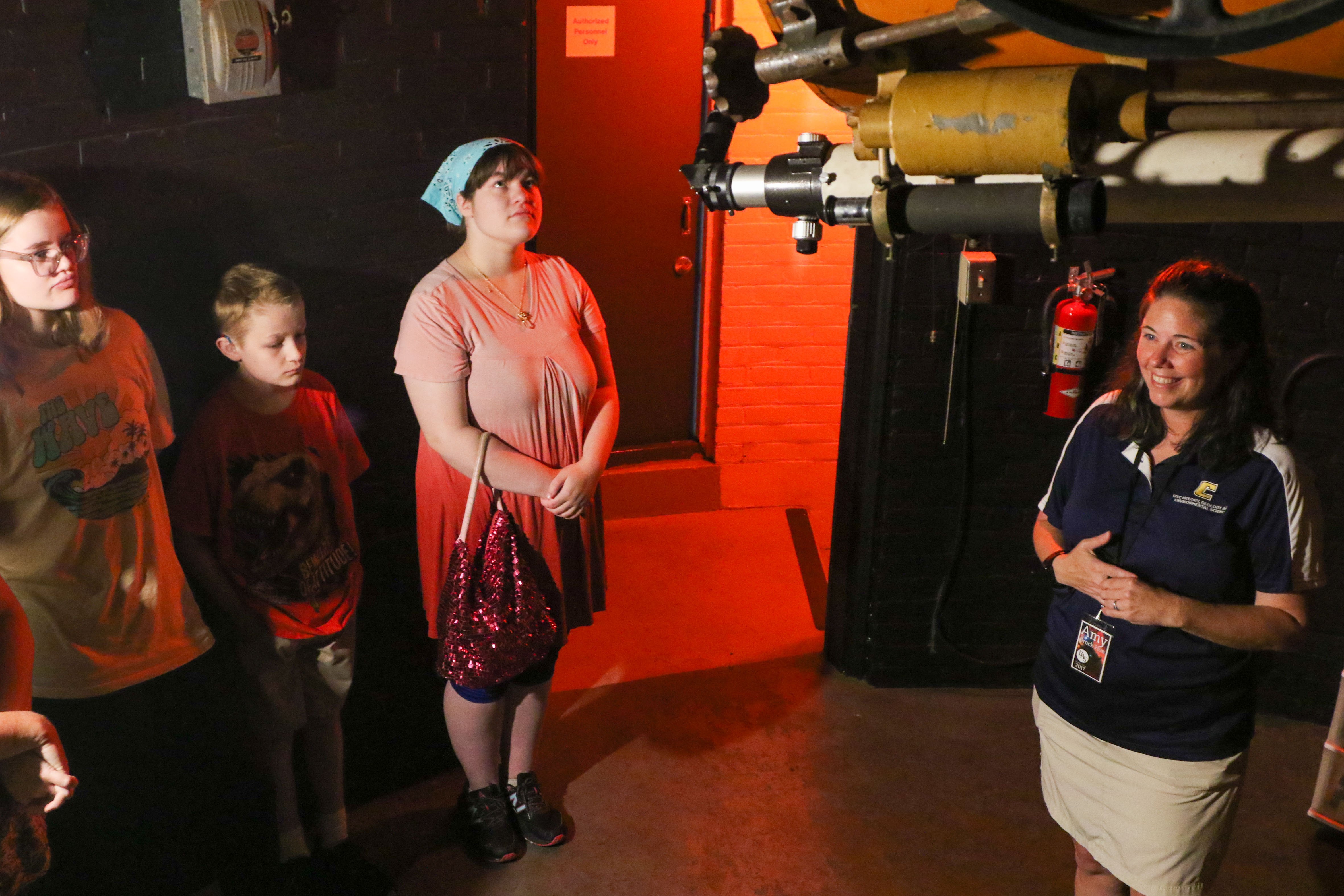
“When this was built on this little hill, it wasn’t in the main urbanized areas around Chattanooga. And so, it was ideal in that respect,” Amy Brock-Hon, UTC professor and the observatory’s assistant director, said in an interview. “Since the city has grown around it, and Chattanooga has become bigger and our light usage has increased, the light dome of Chattanooga has extended and now covers us.”