
Monday, November 16, 2026Nov 16

Canada’s Indigenous women forcibly sterilized decades after other rich countries stopped

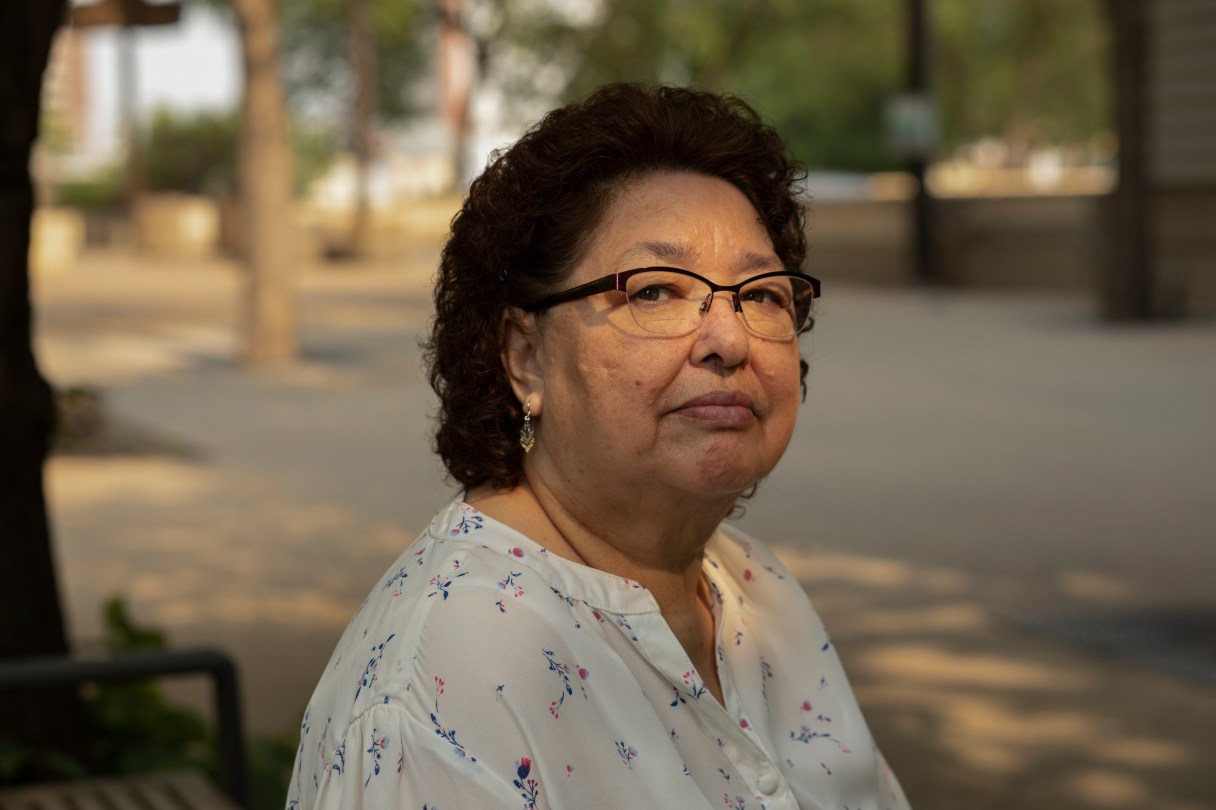
May Sarah Cardinal sits for a portrait outside the Law Courts building in Edmonton, Alberta, Canada on Thursday, May 25, 2023. Cardinal said she was pressured into having her tubes tied when she was 20. “The doctor told me: ‘There are hard times ahead and how are you going to look after a bunch of kids? What if your husband leaves?' ... I was afraid if I didn’t go through with it, they would be angry with me, and I didn’t feel like I had a say.” (AP Photo/Amber Bracken)


TORONTO (AP) — Decades after many other rich countries stopped forcibly sterilizing Indigenous women, numerous activists, doctors, politicians and at least five class-action lawsuits allege the practice has not ended in Canada.

A Senate report last year concluded “this horrific practice is not confined to the past, but clearly is continuing today.” In May, a doctor was penalized for forcibly sterilizing an Indigenous woman in 2019.

Indigenous leaders say the country has yet to fully reckon with its troubled colonial past — or put a stop to a decades-long practice that is considered genocide.

There are no solid estimates on how many women are being sterilized against their will, but Indigenous experts say they regularly hear complaints about it. Sen. Yvonne Boyer, whose office is collecting the limited data available, says at least 12,000 women have been affected since the 1970s.