
Agriculture Secretary Tom Vilsack announced Wednesday that his department will invest $300 million to improve the measurement and reporting of planet-warming emissions by the country’s agriculture and forestry sectors.
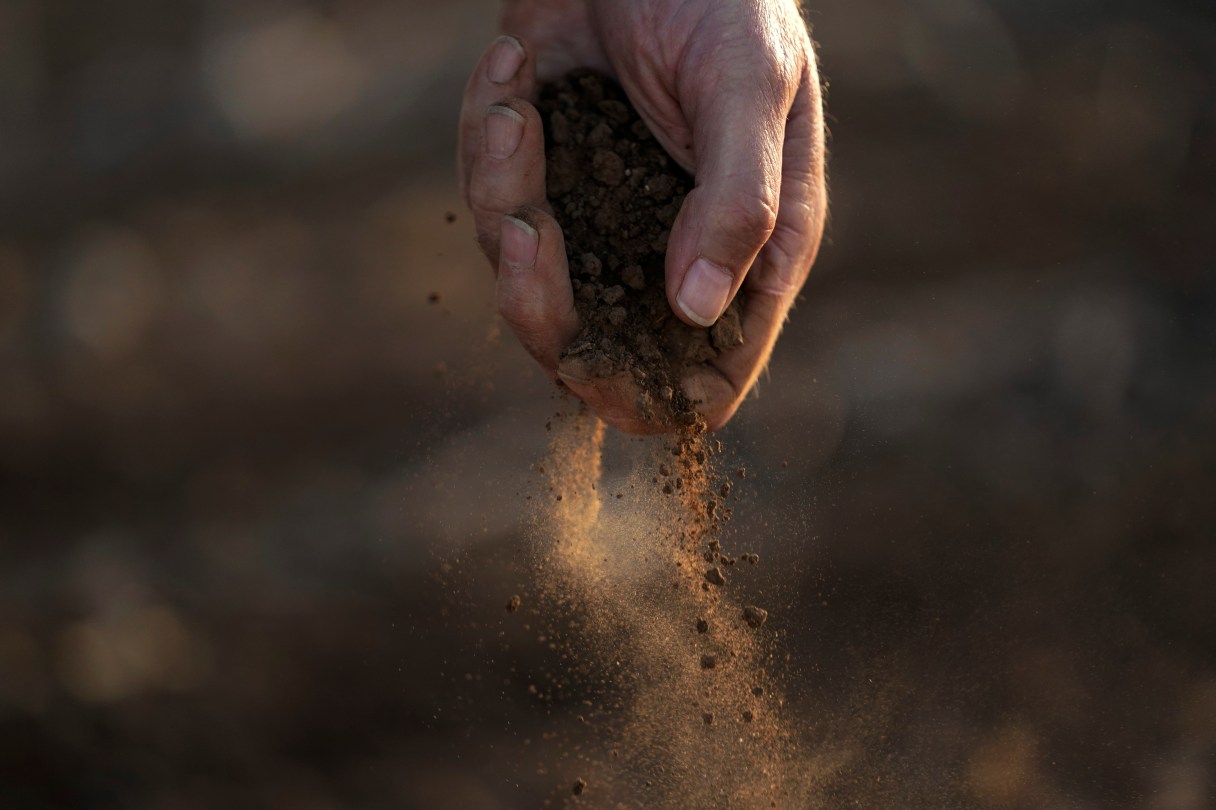
The investment — which comes from the Inflation Reduction Act, the U.S.’s climate law — will create a research network to monitor carbon levels in soil, which is crucial for understanding how much of the greenhouse gas is stored in the ground. It will also expand the agency’s data management capacity and improve the research methods used to quantify and analyze greenhouse gases.
Agriculture contributed about 10% of U.S. greenhouse gas emissions in 2021, according to the Environmental Protection Agency, so a goal of the research will be to improve the system by which farmers can be rewarded for using climate-friendly practices.
“It’s important and necessary that we create multiple ways for farmers to generate revenue in income,” Vilsack said in a news conference Tuesday ahead of the announcement.
To reduce their emissions, farmers can adopt strategies like no-till agriculture or planting cover crops, both of which have been documented to lead to healthier and less erosive soil. That soil may also have the added benefit of storing more carbon that would otherwise be released into the atmosphere, driving climate change — though a 2019 report in the scientific journal Nature highlighted some of the uncertainties on exactly how much soil carbon storage can reduce emissions.