
When millionaire Steve Fossett’s plane went missing over the Nevada range in 2007, the swashbuckling adventurer had already been the subject of two prior emergency rescue operations thousands of miles apart.
And that prompted a prickly question: After a sweeping search for the wealthy risktaker ended, who should foot the bill?
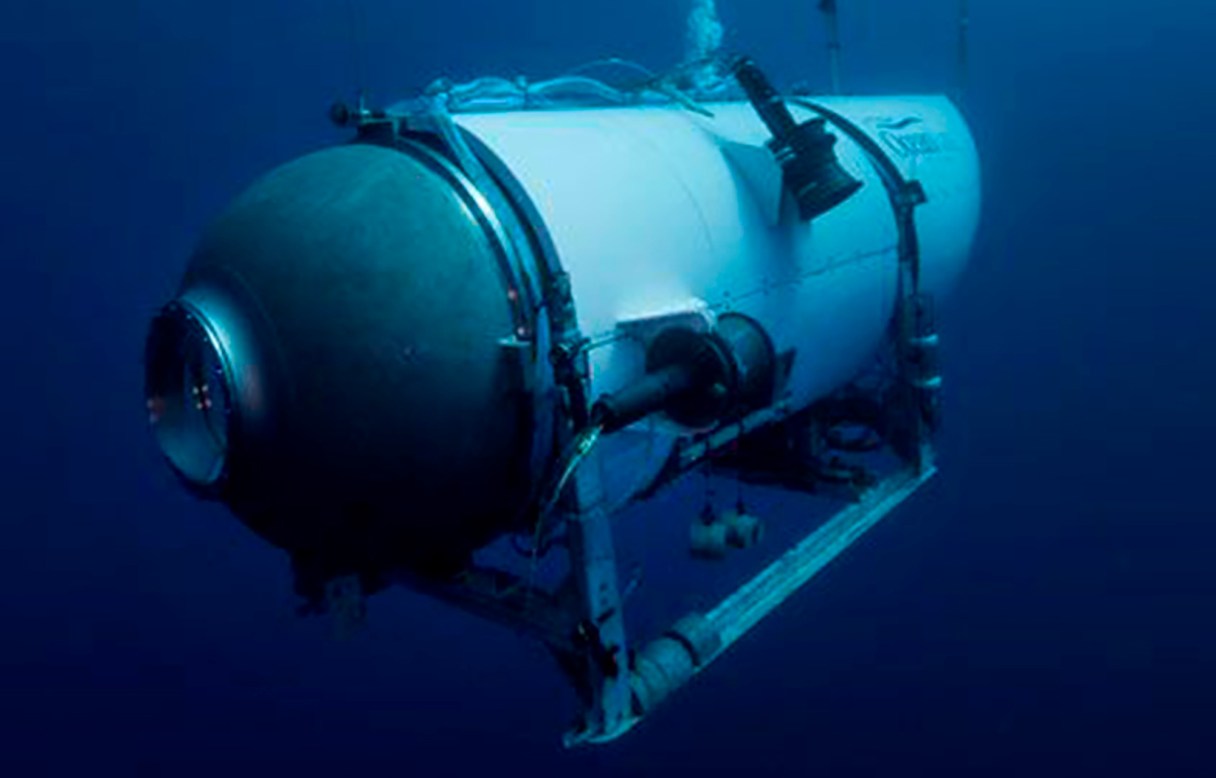
In recent days, the massive hunt for a submersible vehicle lost during a north Atlantic descent to explore the wreckage of the Titanic has refocused attention on that conundrum. And with rescuers and the public fixated first on saving and then on mourning those aboard, it has again made for uneasy conversation.
“Five people have just lost their lives and to start talking about insurance, all the rescue efforts and the cost can seem pretty heartless — but the thing is, at the end of the day, there are costs,” said Arun Upneja, dean of Boston University’s School of Hospitality Administration and a researcher on tourism.