
Monday, November 16, 2026Nov 16

The next big advance in cancer treatment could be a vaccine

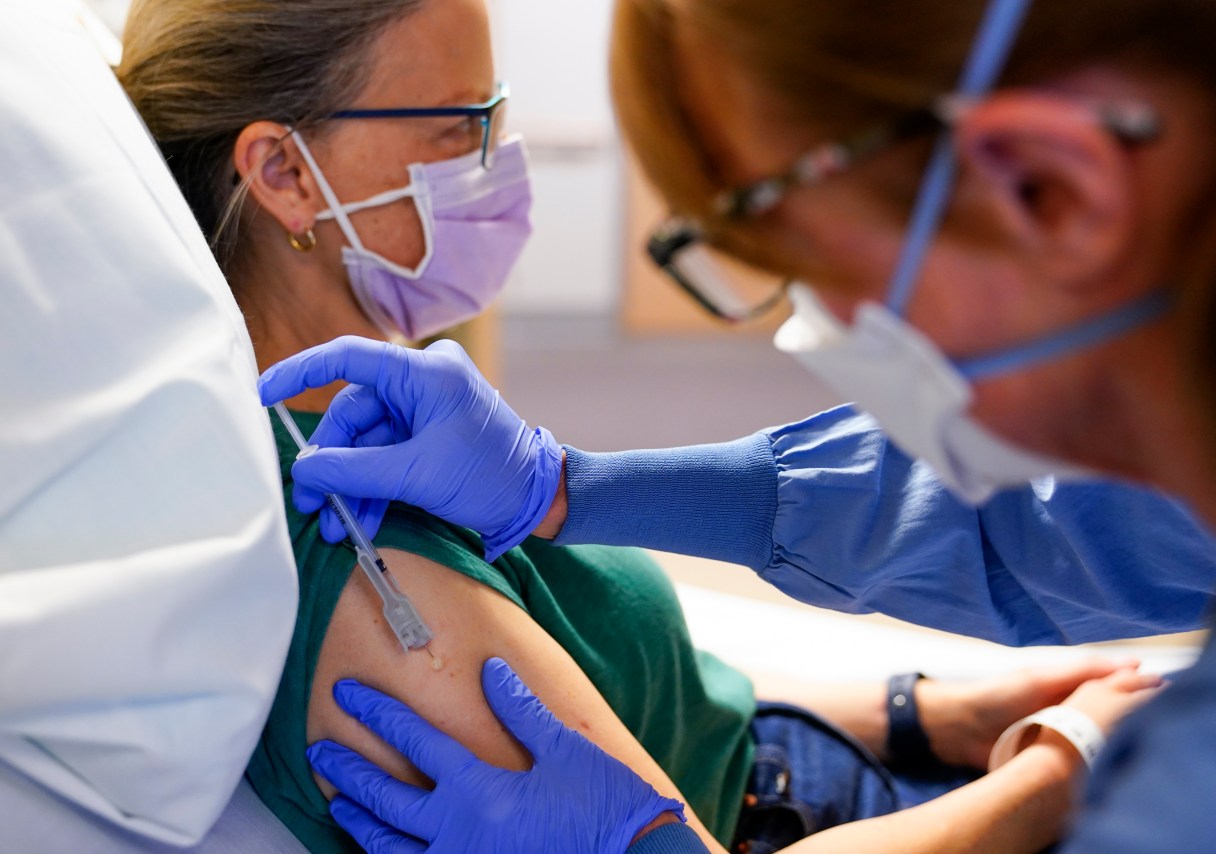
Registered nurse Erika Obrietan administers the third dose of an experimental breast cancer vaccine to patient Kathleen Jade at University of Washington Medical Center - Montlake, Tuesday, May 30, 2023, in Seattle. Jade, 50, learned she had breast cancer in late February. She's getting the vaccine to see if it will shrink her tumor before surgery. “Even if that chance is a little bit, I felt like it’s worth it," said Jade, who is also getting standard treatment. (AP Photo/Lindsey Wasson)

SEATTLE (AP) — The next big advance in cancer treatment could be a vaccine.

After decades of limited success, scientists say research has reached a turning point, with many predicting more vaccines will be out in five years.

These aren’t traditional vaccines that prevent disease, but shots to shrink tumors and stop cancer from coming back. Targets for these experimental treatments include breast and lung cancer, with gains reported this year for deadly skin cancer melanoma and pancreatic cancer.

“We’re getting something to work. Now we need to get it to work better,” said Dr. James Gulley, who helps lead a center at the National Cancer Institute that develops immune therapies, including cancer treatment vaccines.

More than ever, scientists understand how cancer hides from the body’s immune system. Cancer vaccines, like other immunotherapies, boost the immune system to find and kill cancer cells. And some new ones use mRNA, which was developed for cancer but first used for COVID-19 vaccines.