
Tuesday, November 17, 2026Nov 17

Families worry over the future of Medicaid caregiver payments that were expanded during the pandemic

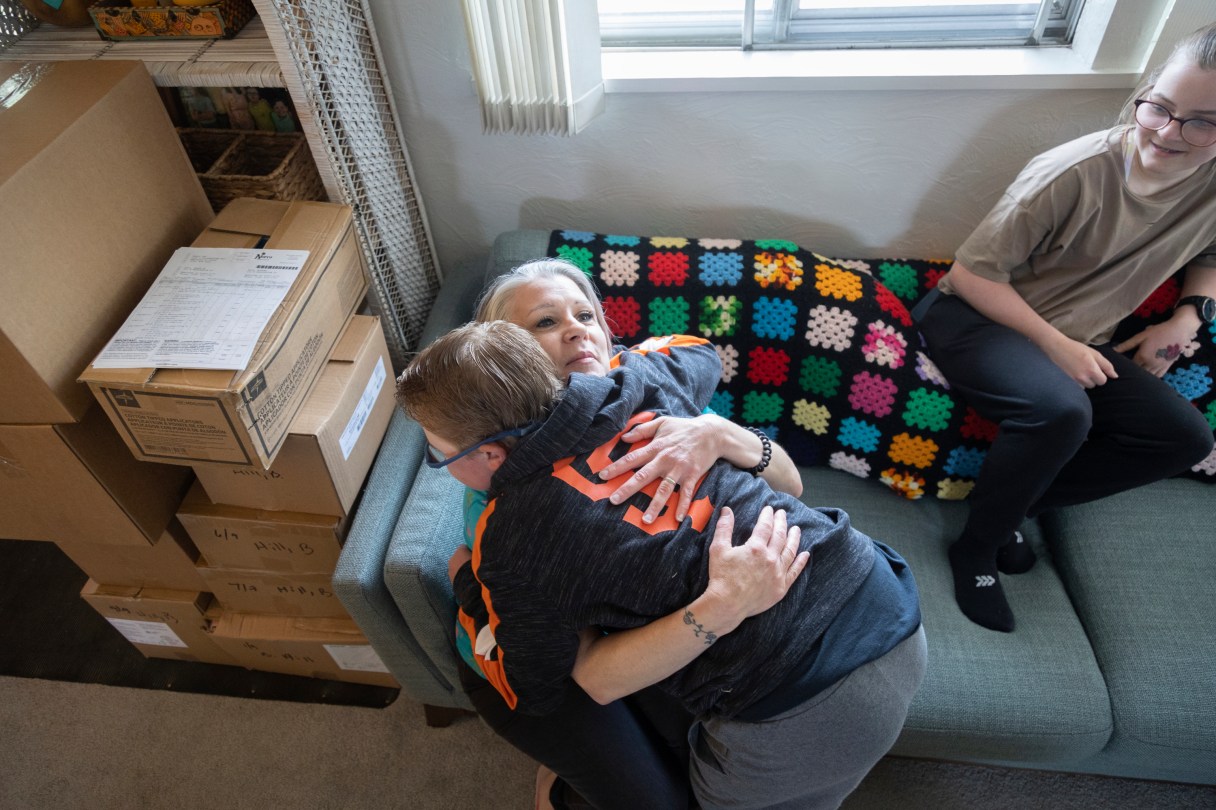
Brady Hill gets a hug from his mother Cathrine after breakfast at their home in Meridian, Idaho, June 19, 2023. Brady survived a rare brain cancer as a baby, but requires round the clock care. Brady's sister Misha watches. Families of severely disabled children across the country are worried about the future of crucial Medicaid payments they started receiving to provide care during the COVID-19 pandemic. (AP Photo/Kyle Green)


Nathan Hill started receiving $12.75 an hour from a state Medicaid program to help care for his severely disabled son during the pandemic, money he said allowed his family to stop using food stamps.

The program was designed to provide a continuation of care and ease a home health worker shortage that grew worse after COVID-19 hit.

But now, with the COVID-19 public health emergency over, he worries that the extra income will disappear. Some states have already stopped payments while others have yet to make them permanent.

“The success of this during the pandemic was tremendous … for the first time we were able to pay our own way,” said the Meridian, Idaho, resident. “We’re not relying on charities to help us pay our rent and utilities.”