
Monday, November 16, 2026Nov 16

Millions struggle to pay AC bills in heat waves. Federal aid reaches only a fraction

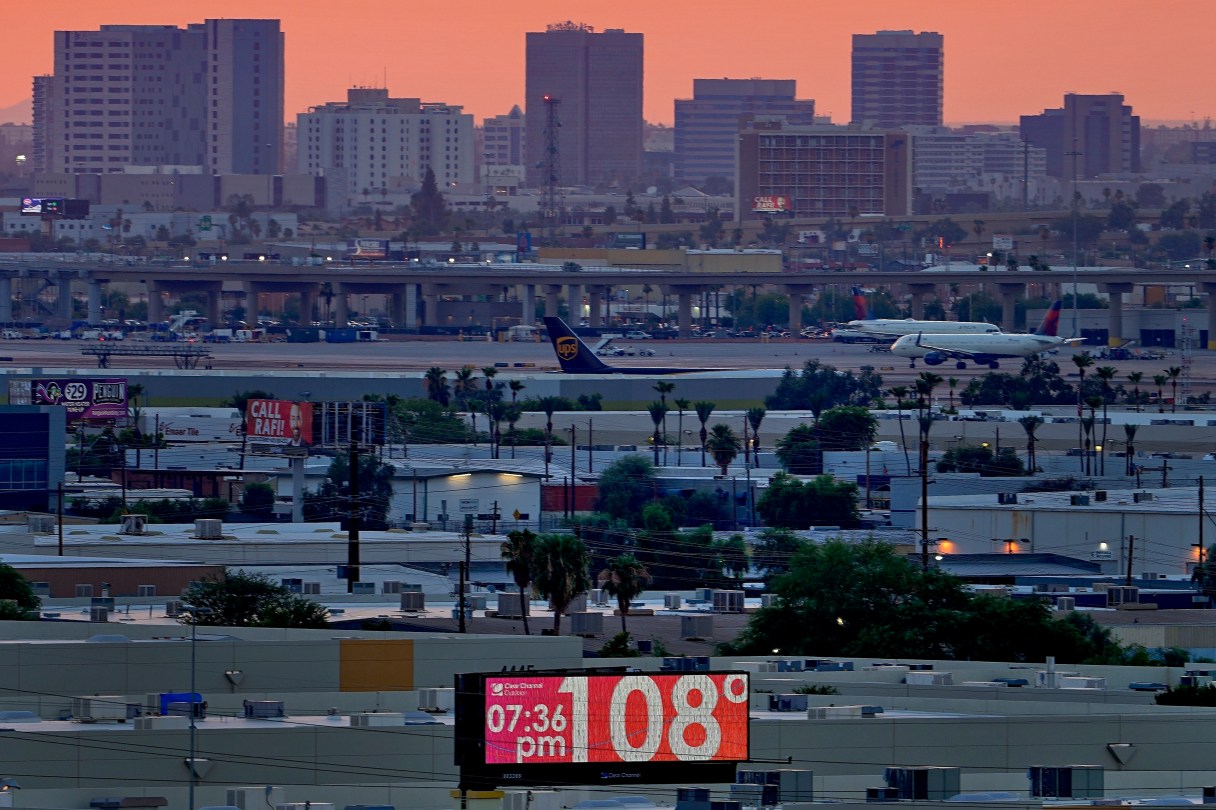
A sign displays an unofficial temperature as jets taxi at Sky Harbor International Airport at dusk, July 12, 2023, in Phoenix. Phoenix weathered in 31-days above 110 degrees has lost at least 39 people to the heat. Nationwide, around 30 million Americans struggle to afford their energy bill and qualify for the subsidy; but less than 3% received federal assistance for their summer bills. Experts say it's woefully underfunded. (AP Photo/Matt York, File)

DENVER (AP) — Bobbie Boyd is in a losing battle against near triple-digit temperatures in northwest Arkansas.

Her window air conditioner runs nonstop and the ballooning electric bill carves about $240 out of her $882-a-month fixed income. So the 57-year-old cuts other necessities.

Boyd eats one meal a day so her 15-year-old grandson, who she’s raising alone, can have two. She stopped paying car insurance and skips medical appointments.

“The rent and the light bill. And I’m broke,” said Boyd, who needs the cooling to stave off her heat-induced asthma attacks.

As climate change ratchets up temperatures across the U.S., millions of the poorest Americans grapple with the same agonizing decisions as Boyd — between perilous indoor heat or paying costly bills. While President Joe Biden has invested billions into federal programs that subsidize the poorest Americans’ energy costs, the money reaches only a fraction of the most vulnerable during the sweltering summer months.