
Sunday, November 15, 2026Nov 15

Native nations on front lines of climate change share knowledge and find support at intensive camps

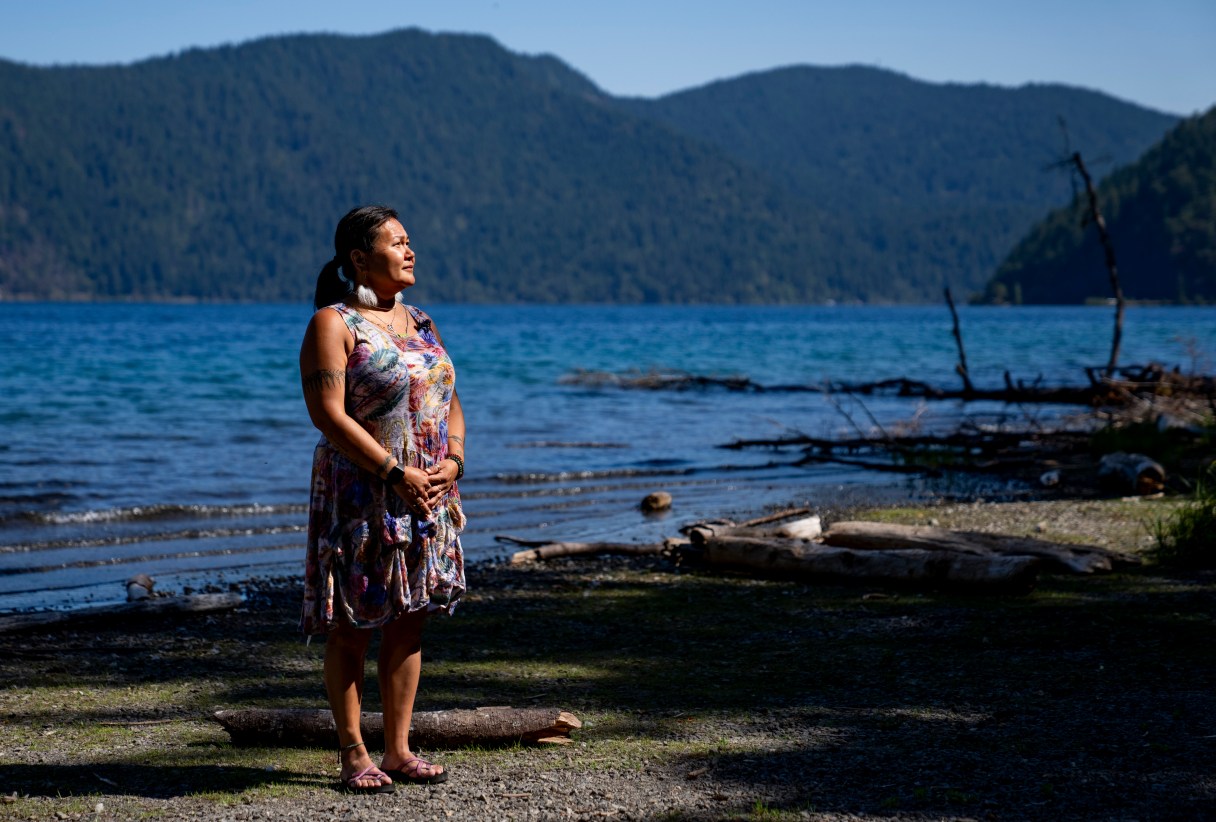
Jeanette Kiokun, the tribal clerk for the Qutekcak Native Tribe in Seward, Alaska, poses for a portrait on the shore of Lake Crescent at NatureBridge in the Olympic National Park during the 2023 Tribal Climate Camp, Thursday, Aug. 17, 2023, near Port Angeles, Wash. Participants representing at least 28 tribes and intertribal organizations gathered to connect and share knowledge as they work to adapt to climate change that disproportionally affects Indigenous communities. More than 70 tribes have taken part in the camps that have been held across the United States since 2016. (AP Photo/Lindsey Wasson)


PORT ANGELES, Wash. (AP) — Jeanette Kiokun, the tribal clerk for the Qutekcak Native Tribe in Alaska, doesn’t immediately recognize the shriveled, brown plant she finds on the shore of the Salish Sea or others that were sunburned during the long, hot summer. But a fellow student at a weeklong tribal climate camp does.

They are rosehips, traditionally used in teas and baths by the Skokomish Indian Tribe in Washington state and other tribes.

“It’s getting too hot, too quick,” Alisa Smith Woodruff, a member of the Skokomish tribe, said of the sun-damaged plant.

Tribes suffer some of the most severe impacts of climate change in the U.S. but often have the fewest resources to respond, which makes the intensive camps on combatting the impact of climate change a vital training ground and community-building space.