
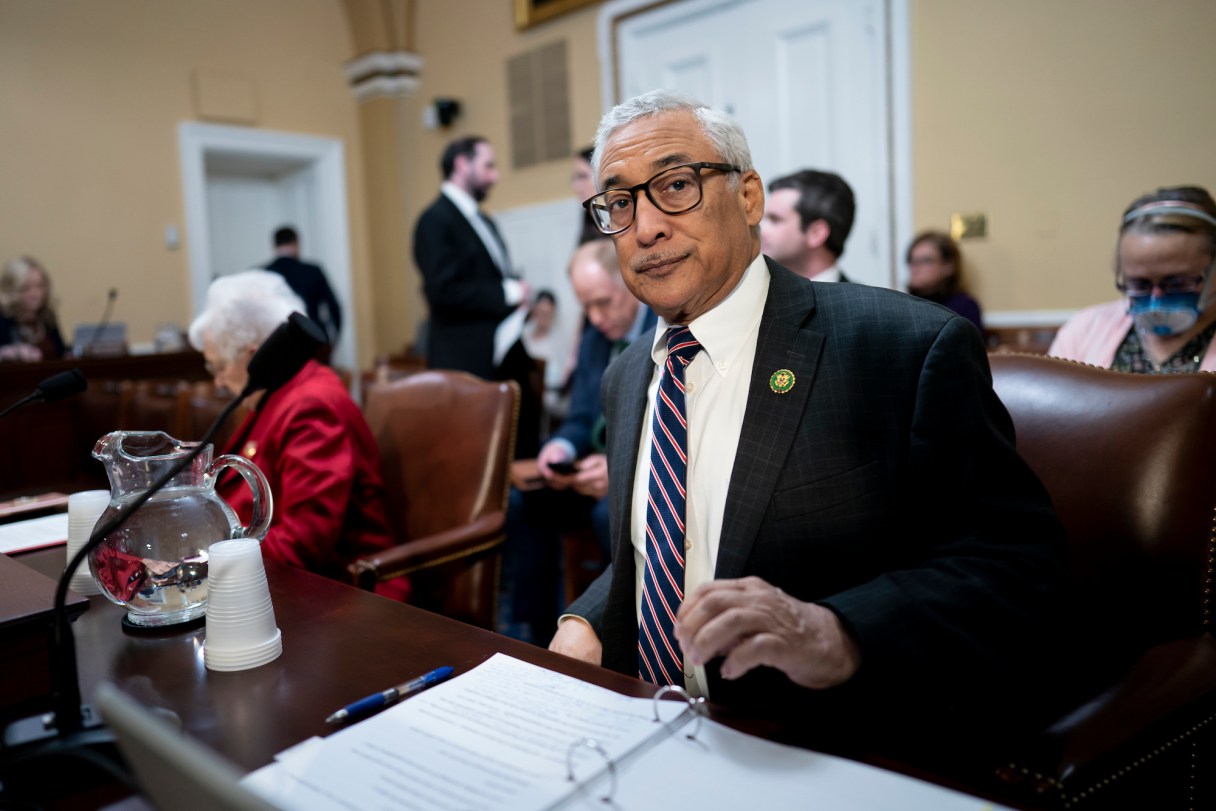
As families are still trying to cope with rising prices and declining real wages, a proposal from Sen. Bernie Sanders, I-Vermont, and Rep. Bobby Scott, D-Virginia, to increase the federal minimum wage to $17 per hour would drive up costs, especially for child care.
According to my original analysis, based on data of child care wages across the states and the economics of child care, a $17 per hour minimum wage would increase child care costs by an average of 20% throughout the U.S., costing a family with two children an extra $4,185 per year.
Most families today would be hard-pressed to come up with that extra money, especially considering that wages haven’t kept pace with inflation. Over the past two years, the average worker has received a $4,300 pay increase, but inflation has eroded $7,000 of value, leaving everyday Americans $2,700 poorer.
Bad government policies were a primary cause of this decline in real wages. By driving up demand for goods and services through massive government spending increases and simultaneously restricting the supply of workers by offering excessive welfare-without-work benefits, federal policymakers drove up the wages that employers had to pay workers.
And when employers had to pay workers more for the exact same output, they had to raise prices. Wage increases are a great thing when they come from workers becoming more productive. But when they come from government mandates, they simply shift costs around; some people lose their jobs or have their hours reduced, and across the economy, family incomes decline and prices rise.