

“TOM LAKE: A NOVEL” by Ann Patchett (Harper, 320 pages, $30).
Published four years ago, Ann Patchett’s “The Dutch House” was that rara avis: a deftly crafted Pulitzer Prize finalist that graced the New York Times best-seller list for weeks. (In 2021 she followed up with a superb collection of essays, “These Precious Days.”) Her books move with a gentle, assured rhythm, evoking authentic nostalgia that veers clear of sentimentality while conducting little experiments of narrative subversion beneath placid surfaces. Amid seismic tensions she layers beautiful chapter on beautiful chapter; no other American writer pulls this off with such finesse. Quotidian lives, she suggests, are often the most radical.
Her new novel, “Tom Lake,” is Patchett at her best. In the early months of the COVID-19 pandemic, her protagonist and narrator, Lara Kenison, 57, hunkers down with her husband, Joe, on their fruit farm in northern Michigan. Their three grown daughters — Emily, an agriculturalist who works the property with her fiancé; Maisie, a veterinarian-in-training; and Nell, an artsy undergraduate — have gathered to wait out the plague and help with the cherry harvest in the meantime.
In her youth, Lara pursued a career as an actress, reprising the role of Emily in “Our Town,” from a walk-on performance in her native New Hampshire to summer stock in the bucolic enclave of Tom Lake, which brought her to Michigan. (Along the way she did stints in Los Angeles and New York, auditioning for an off-Broadway production starring the late Spalding Gray, but those venues were more stations of the cross than artistic affirmations.) Her daughters are enthralled by their mother’s thespian past, and as they roam the groves, picking “sweets” and “tarts,” she tells the tale in full.
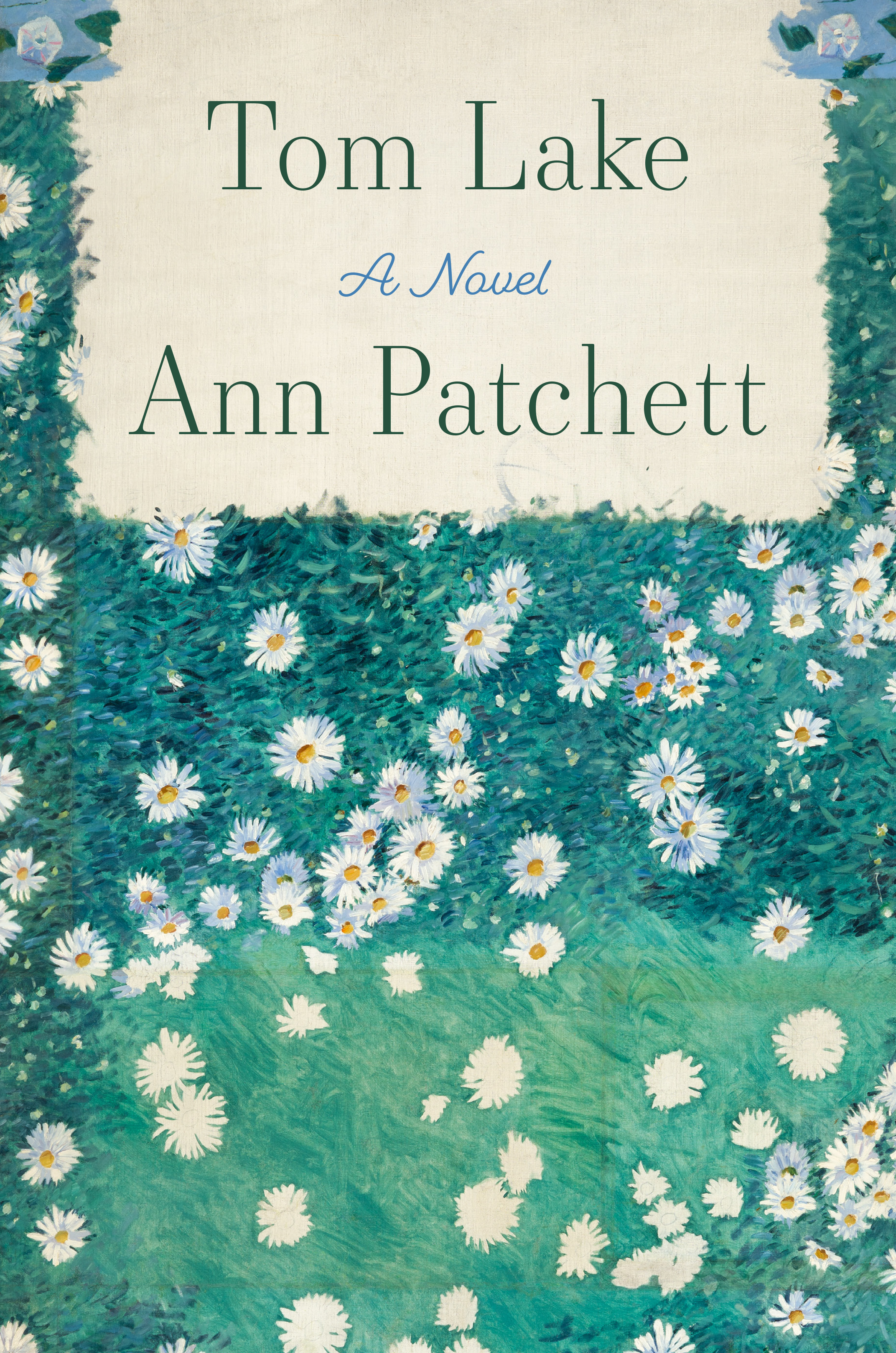 Harper / “Tom Lake”
Or does she? Lara gets caught up in her memories and her daughters’ enthusiasm, but she’s careful to withhold crucial information. Although he’s largely offstage, tending to the farm, Joe’s more complicit than he lets on.