
I’m sitting in a barbershop in Nashville one day this year, waiting for my barber to finish up with a client.
This is the first time that I will get braids. I’ve always enjoyed growing out my hair and occasionally sporting the metal pick (comb) with a black power fist as the handle in my Afro. When I had a flat top, friends called me “Gerald” from the cartoon “Hey Arnold.”
Regardless of my hairstyle, it was me. And that made me happy.
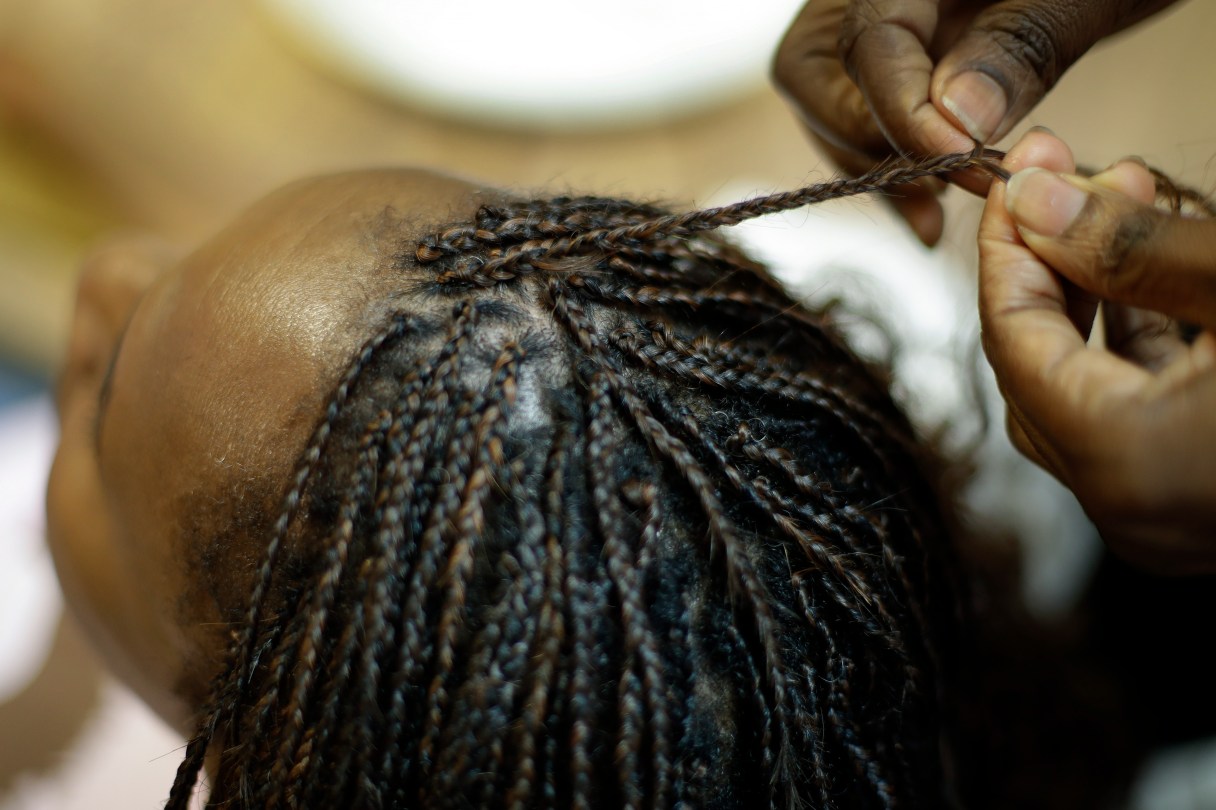
Getting braids felt different — I had never had them and they are a cherished hairstyle in the Black community. Once I was in the chair, the barber began to braid my hair. He would pull the braids tight, adding gel after each twist of my hair.
As the barber worked, I looked at the pictures hanging in his shop. There was a picture of NBA Hall of Famer Allen Iverson sporting his iconic braids. His style captured the culture of the league. And in the moment I was becoming a part of that culture.