
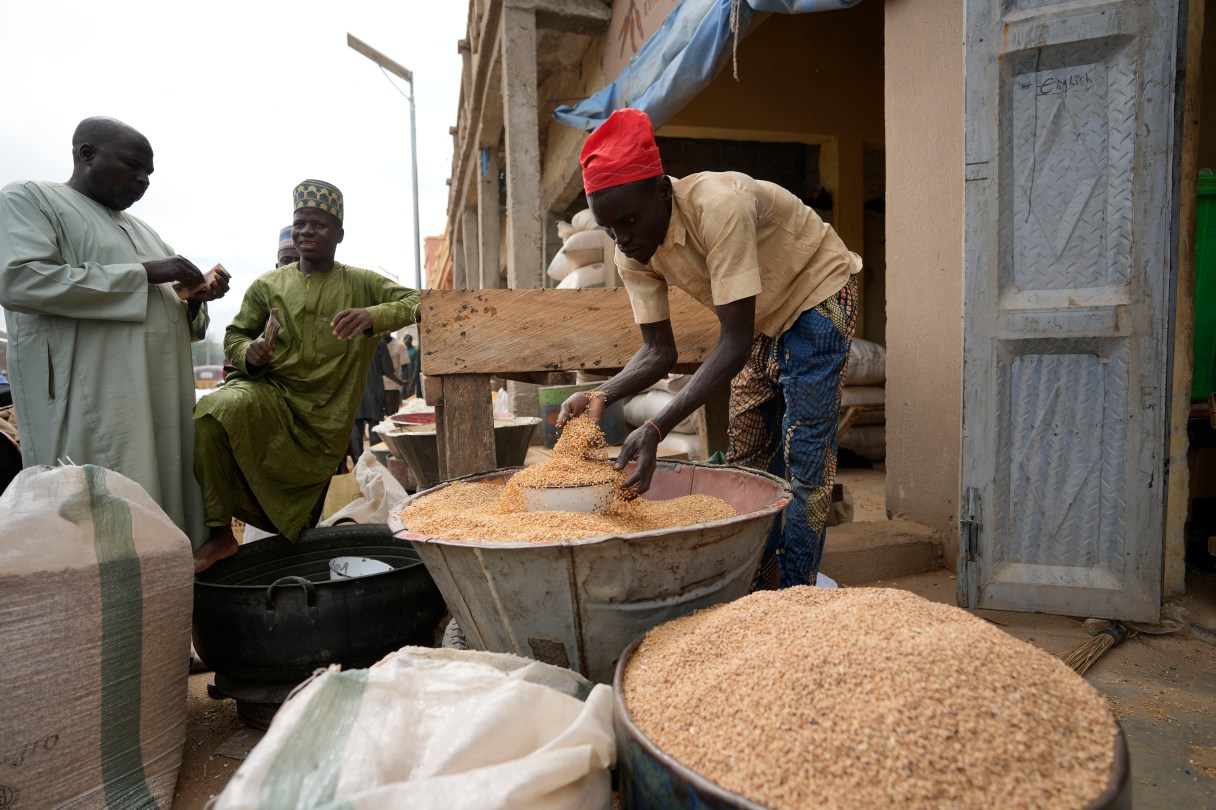
ABUJA, Nigeria (AP) — Many poor countries in Africa face the harshest effects of climate change: severe droughts, vicious heat and dry land, but also unpredictable rain and devastating flooding. The shocks worsen conflict and upend livelihoods because many people are farmers — work that is increasingly vulnerable in a warming world.
Climate challenges are at the root of vulnerabilities faced by conflict-ridden countries in Africa’s Sahel region, such as Burkina Faso, Chad, Mali, Niger and northern Nigeria, experts say. Adapting to these challenges could cost up to $50 billion per year, according to the Global Commission on Adaptation, while the International Energy Agency estimates the clean energy transition could cost as much as $190 billion a year — overwhelming costs for Africa.
Countries have limited space in their budgets, and borrowing more to fund climate goals will worsen their considerable debt burdens, argue African leaders, who are seeking a rapid boost in financing.
Some leaders suggested that this week’s meetings of the International Monetary Fund and the World Bank in Marrakech, Morocco, would be “a good place to start” a conversation about Africa’s financial challenges and its ability to handle climate shocks.