
Calendars marking sacred days, weeks, months and years have been part of cultures around the world for thousands of years. A universal calendar wasn’t agreed upon until the mid-1700s. The religious origins of many calendars may account for the hesitation to settle on just one version. Fortunately, those religious calendars continue to be maintained and honored. That’s why the Jewish community just celebrated Rosh Hashanah, the Jewish New Year marking the creation of Adam and Eve and the current year, 5784. Rosh Hashanah (“head of the year” in Hebrew) begins the 10 Days of Awe, a time of contemplation, reflection and prayer which concludes with Yom Kippur, a somber “Day of Atonement.”
Look at Rosh Hashanah photos and you’ll often see apples and honey, symbols for a sweet new year, and a time-honored snack. Give it a try and you’ll see why. Slice your apple and dip the slice in honey. Delicious … happy new year!
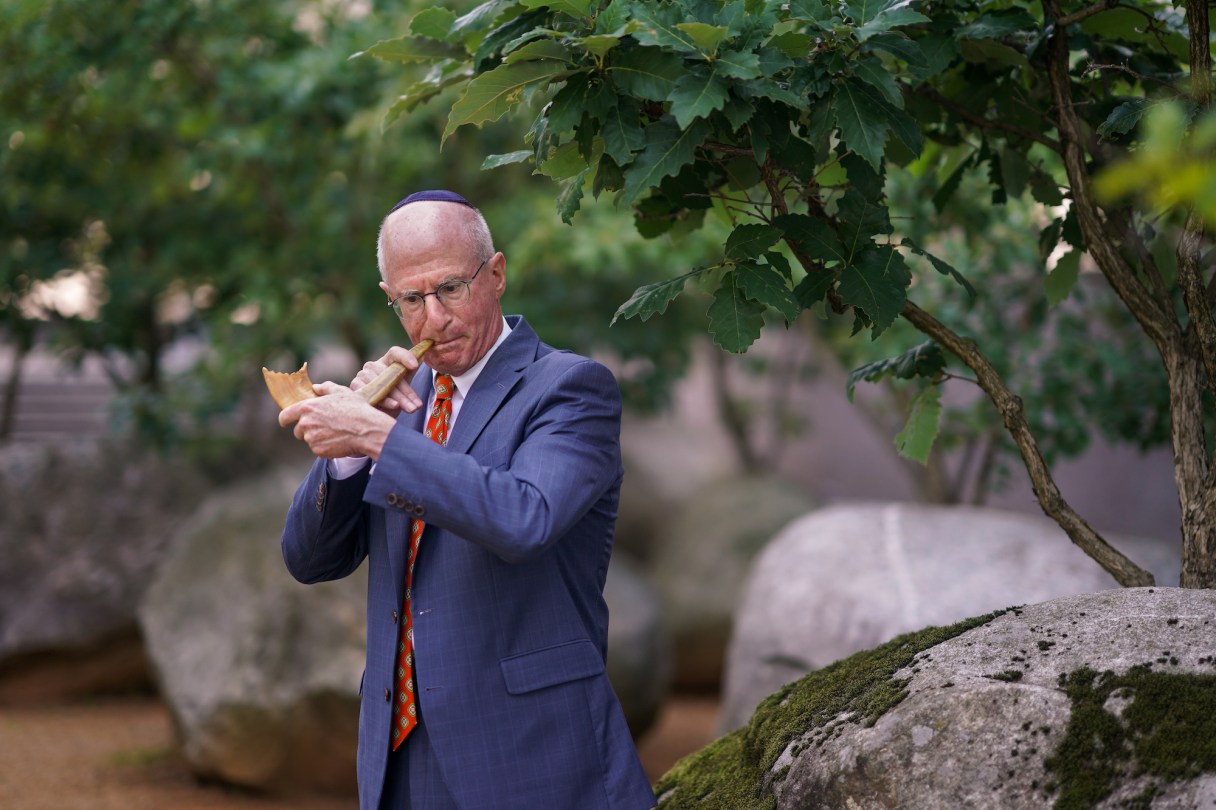
A second symbol is the shofar, a ram’s horn. It’s a special skill to blow the shofar’s sounds: 1) a long, loud call to prayer; 2) three blows sounding sad for the passing of another year; 3) staccato blows announcing the new year, and 4) the amazing long blast concluding the Rosh Hashanah and Yom Kippur services.
What it’s like listening to the shofar? Sitting in a our synagogue, the sound of the shofar wakes me from head to toe. Yes, there’s grief for a year that’s ending and those who passed during it. But there’s also gratitude for all that’s been given. The amazingly long, final blast resonates through mind, body and soul, intensifying the sense of divine presence along with hope for being inscribed in the Book of Life for another year.