
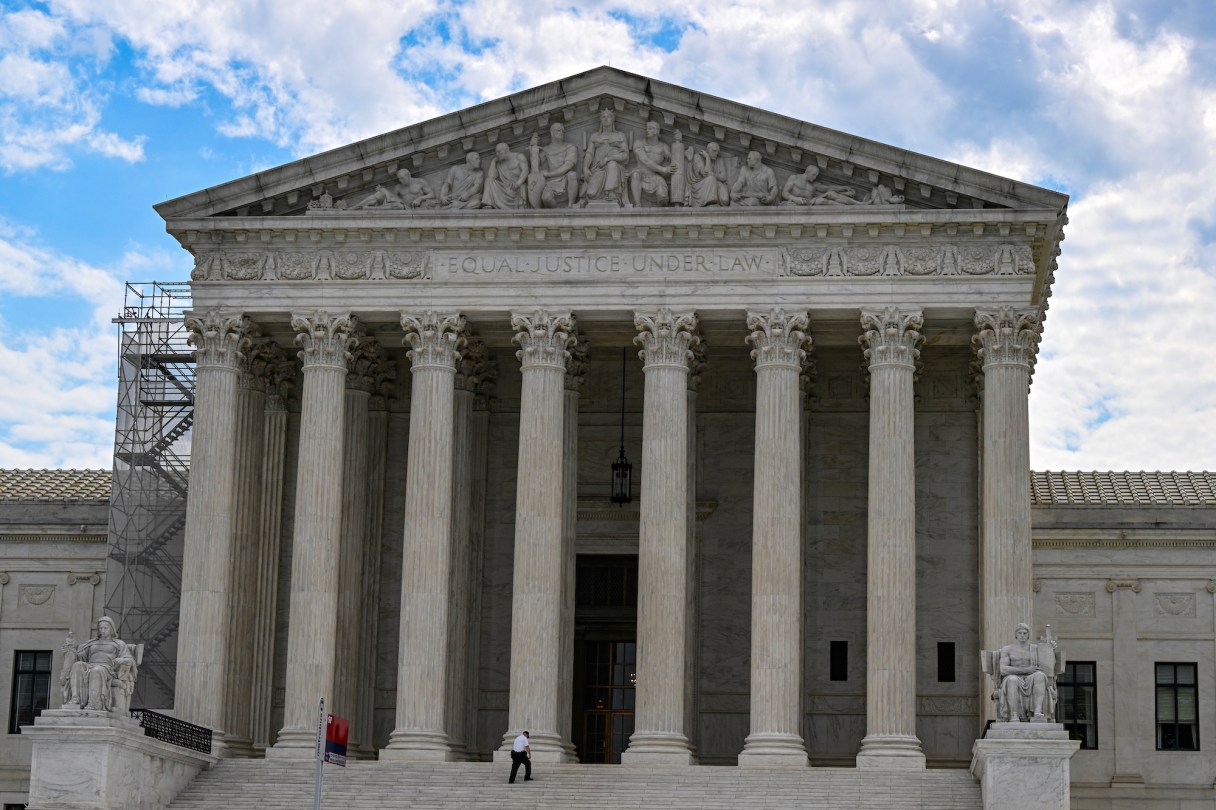
The U.S. Supreme Court prepares for another term on Monday. On the docket in coming months are cases touching on a variety of important subjects, including the First Amendment, the separation of powers, immigration, gun rights and the reach of the federal bureaucracy.
The justices have thus far agreed to hear 21 cases, the most prominent of which is Lopez Bright Enterprises v. Raimondo, which offers the court the opportunity to rein in the nation’s ubiquitous regulatory state. The case involves a rule that the National Marine Fisheries Service imposed on herring fisheries, but the issue touches on the broader question regarding the authority of federal agencies.
In 1984, the high court created the “Chevron doctrine,” which holds that the courts should generally defer to regulatory agency interpretations of “ambiguous” congressional statutes. This rule greatly empowered Washington bureaucrats to create and interpret law even if the statute upon which they acted didn’t clearly convey such authority. Critics argue that investing such dominion in unelected executive branch officials represents an unconstitutional transfer of power from the judiciary and legislative branches.
In the Lopez case, the justices have the chance to rule that statutory silence does not give federal agencies carte blanche, essentially overturning the Chevron principle. This would send the message that Congress must be more specific in its statutory language if it seeks to delegate significant authority to executive branch bureaucrats.