
Monday, November 16, 2026Nov 16

Communities can’t recycle or trash disposable e-cigarettes. So what happens to them?

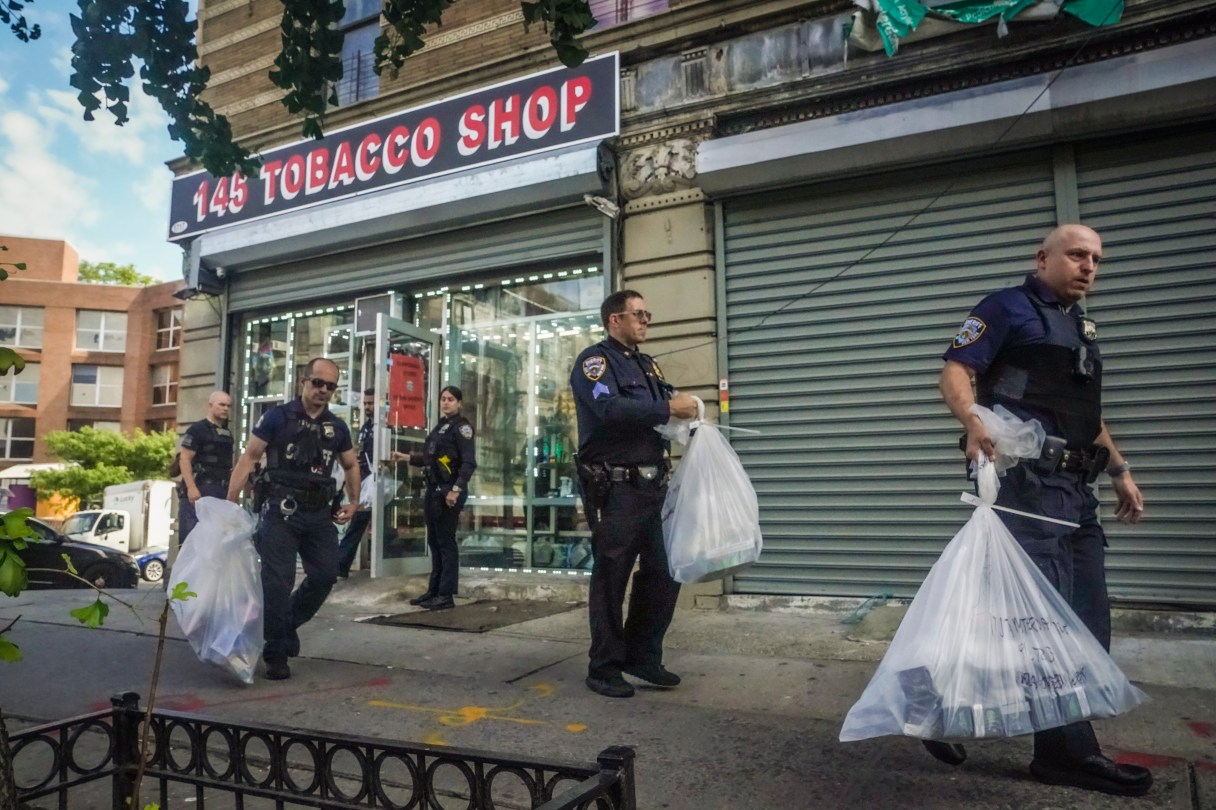
Law enforcement members of New York Sheriff's Joint Compliance Task Force (SJCTF) carry bags of confiscated vaping products, during a spot raid of a tobacco shop, Wednesday Sept. 27, 2023, in New York. Communities across the U.S. are confronting a new vaping problem: how to get rid of millions of disposable e-cigarettes that are considered hazardous waste. The devices contain nicotine, lithium and other materials that cannot be reused or recycled. (AP Photo/Bebeto Matthews)


WASHINGTON (AP) — With the growing popularity of disposable e-cigarettes, communities across the U.S. are confronting a new vaping problem: how to safely get rid of millions of small, battery-powered devices that are considered hazardous waste.

For years, the debate surrounding vaping largely centered on its risks for high school and middle school students enticed by flavors like gummy bear, lemonade and watermelon.

But the recent shift toward e-cigarettes that can’t be refilled has created a new environmental dilemma. The devices, which contain nicotine, lithium and other metals, cannot be reused or recycled. Under federal environmental law, they also aren’t supposed to go in the trash.

U.S. teens and adults are buying roughly 12 million disposable vapes per month. With little federal guidance, local officials are finding their own ways to dispose of e-cigarettes collected from schools, colleges, vape shops and other sites.