
The Treasury and Energy departments on Friday proposed rules that would establish which electric vehicles will qualify for tax credits under new thresholds aimed to limit battery ingredients that are made in or sourced from adversaries like China.
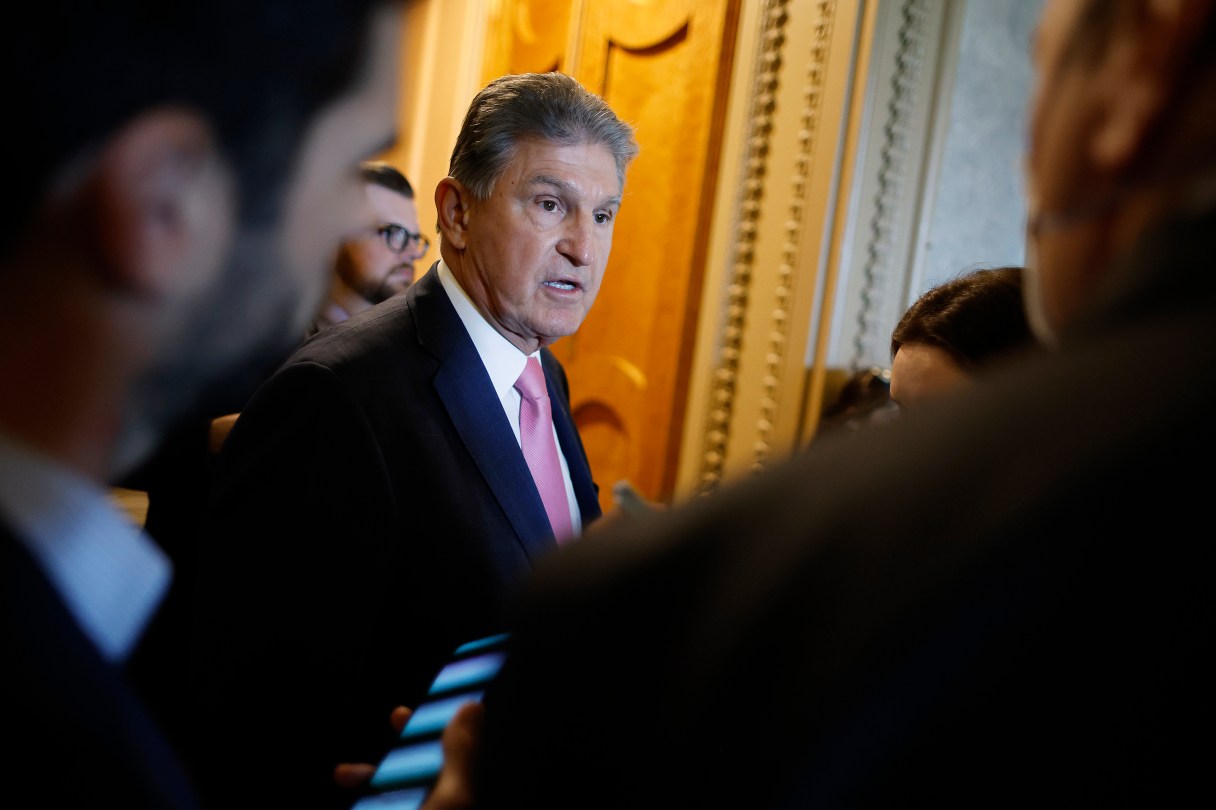
The proposal falls short of a strict interpretation of last year’s climate spending law, which lawmakers such as Sen. Joe Manchin III, D-W.Va., have said is necessary to fight Chinese dominance of the battery market. The climate law seeks to wean the United States from relying on “foreign entities of concern,” which include companies owned by, controlled by or based in China, Russia, North Korea or Iran.
Biden administration officials said the tax credit has been key for boosting electric vehicle adoption. DOE Deputy Secretary Dave Turk noted on a call to reporters that EV sales reached 10 percent of new car sales last month, up from 6.7 percent at the same time last year.
“By building this industry in America with American workers, the United States is making critical investments in our long-term economic growth and productivity,” Treasury Deputy Secretary Wally Adeyemo said in a call with reporters. “Automakers have already adjusted the supply chain to ensure buyers are eligible for these credits, and are continuing to do so.”
Under the climate law, half the $7,500 EV tax credit can be awarded for vehicles meeting sourcing requirements for minerals used in their batteries, which must be extracted or processed domestically or in a country with which the U.S. has a free trade agreement. The other half, or $3,750, requires that the batteries be manufactured or assembled in North America.