
Saturday, November 14, 2026Nov 14

Opinion: In two decades, much of the West has turned blue. Why hasn’t Texas?

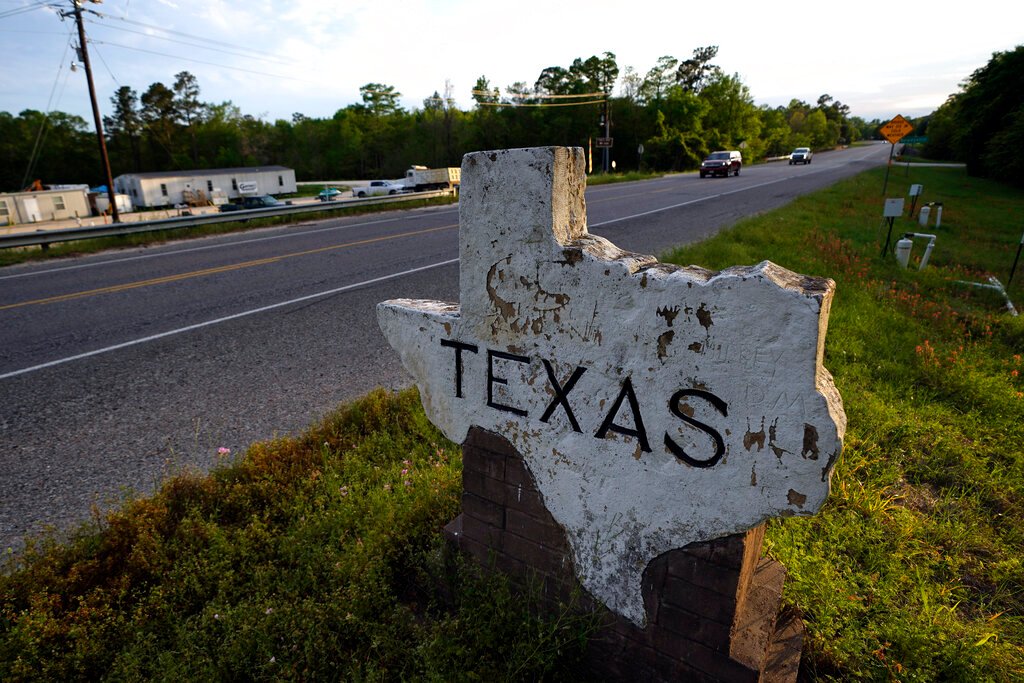
(AP Photo/David J. Phillip) A Texas welcome sign is shown Sunday, March 29, 2020, in Deweyville, Texas, near the Louisiana state border. Texas is ratcheting up restrictions on neighboring Louisiana, one of the growing hot spots for coronavirus in the U.S. Just two days after Texas began requiring airline passengers from New Orleans to comply with a two-week quarantine, Texas Gov. Greg Abbott said state troopers will now also patrol highway entry points at the Louisiana border. (AP Photo/David J. Phillip)

Over the last 20 years, the West has politically transformed.

The onetime Republican stronghold has become a Democratic bastion, dramatically reshaping the fight for the White House as Colorado, New Mexico and Oregon joined California and Washington in the ranks of solid-blue states.

Arizona and Nevada, once reliably red, have become two of the country’s prime presidential battlegrounds.

But Texas hasn’t budged.

“You’re just not seeing Democrats finding the resources or the leverage … to really challenge Republicans,” said Jim Henson, head of the Texas Politics Project at the University of Texas in Austin.