
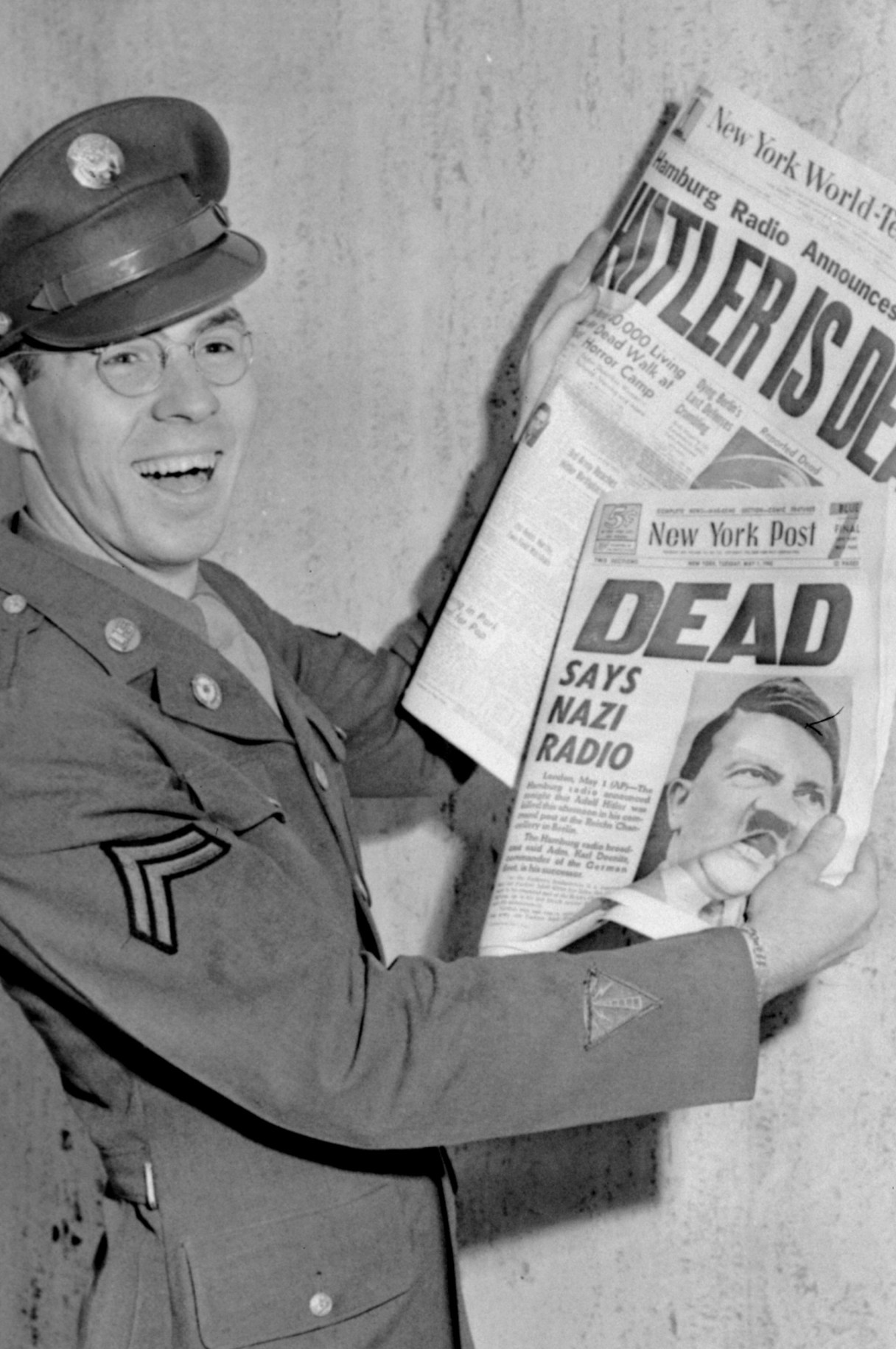
Even as a very young boy in the early 1940s, I was aware of terrible wars taking place in the world in which two of my uncles were fighting. Though both wars were far from Chattanooga, my family sat at night in our living room with “blackout” shades over our windows, listening to our large tube radio for updated news of American soldiers in precarious battles. In the war with Germany, I was told we were up against a ruthless and despicable dictator named Hitler.
Years later I would serve in the U.S. Navy, following several more wars in which our country was engaged. But on Veterans Day each year, it is still World War II to which I am drawn, not only because of the blacked out windows which captured my youthful imagination, but also because of the memory of a despicable leader who so riveted the admiration and loyalty of his countrymen that they glossed over and even participated in his evil, malign and murderous actions, much to the horror of the rest of the world.
I was taught there were normal, usually upright German citizens who were turning their heads, allowing their next-door neighbors — individuals called Jews — to be forced out of their homes, marched off to an unknown fate, while their homes and belongings were bestowed to former friends who seemed all too willing to accept their “good fortune” and move in.
This man Hitler had been acclaimed by the German people, even though much of his extreme language and malicious intent for Jews and others whom he deemed enemies to his regime were already known by some of the German people. But Hitler’s beginning years were a calm preface to much greater damage to humanity than had ever been perceived. By the time he committed suicide, Hitler had orchestrated the most destructive war and rapacious murders human history had ever witnessed.
To this day, I remain filled with questions. Why had the German people allowed, accepted — even participated — in this tragedy? Why did almost a million Germans gather each year in Nuremberg after Hitler became “chancellor” and “fuhrer” to raise the Nazi salute to this leader whom they actually knew so little about in the beginning, but who began steadily to reveal his true self?