
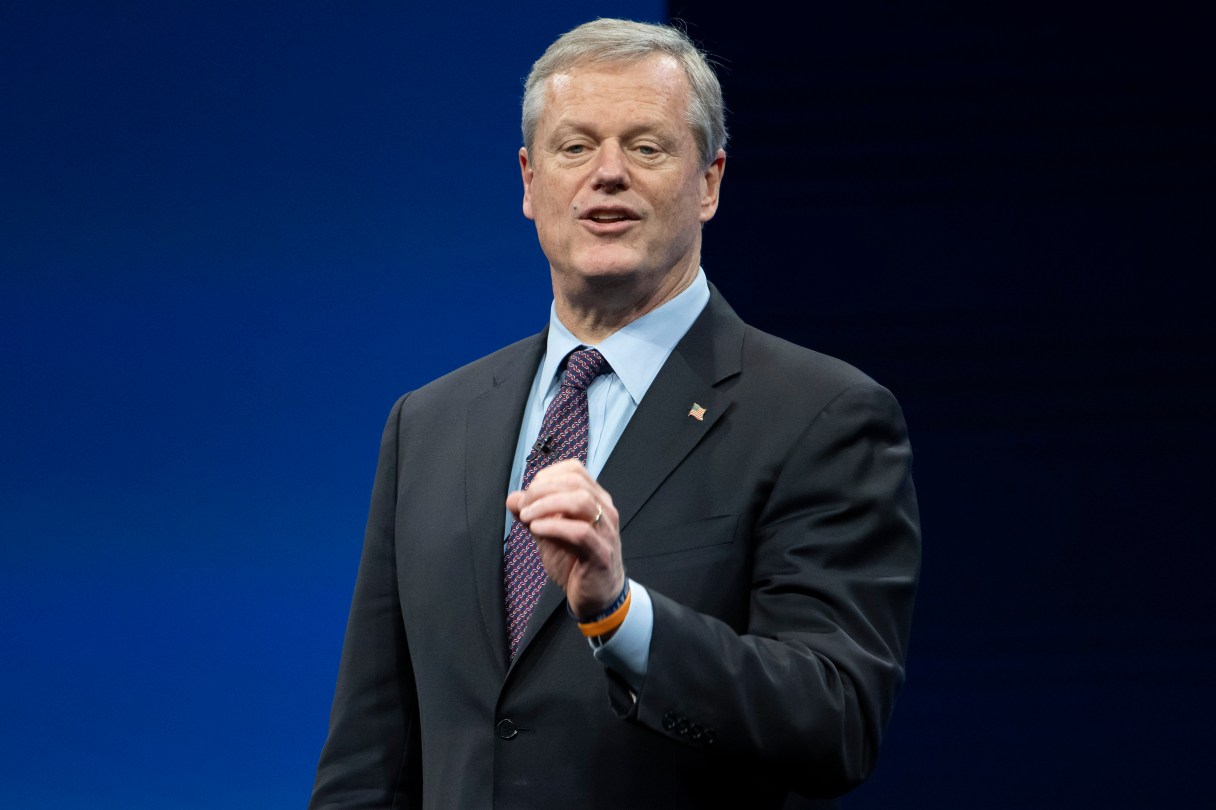
Donor-fueled collectives that raise money and funnel it to college athletes through name, image and likeness opportunities they facilitate probably won’t go away entirely if NCAA President Charlie Baker’s proposals for paying athletes become reality. But changes will be inevitable.
Baker has recommended that Division I schools be allowed to enter into licensing deals directly with their athletes, essentially paying them to be school ambassadors. He suggested that the wealthiest schools be required to pay half of their athletes at least $30,000 per year. For a school like Texas, with some 700 athletes, that would be a sum of some $10 million.
Collectives, technically operating independently from the schools they serve, have sprung up across the country since the NCAA began allowing athletes to make money off their celebrity two years ago. The collectives — some 200 of them — seek donations from boosters, alumni and fans and then arrange opportunities for athletes to be paid for endorsements, public appearances, autograph-signing and posting branded content to their personal social media channels.
Experts said the collectives could be absorbed into athletic departments to provide some of the same services they do now or they could continue operating independently.
Jason Belzer, founder of Student Athlete NIL, which operates several commercial collectives for schools across the country, said fund-raising by outside collectives would be unnecessary if athlete-targeted donations were allowed to be made directly to the school.