
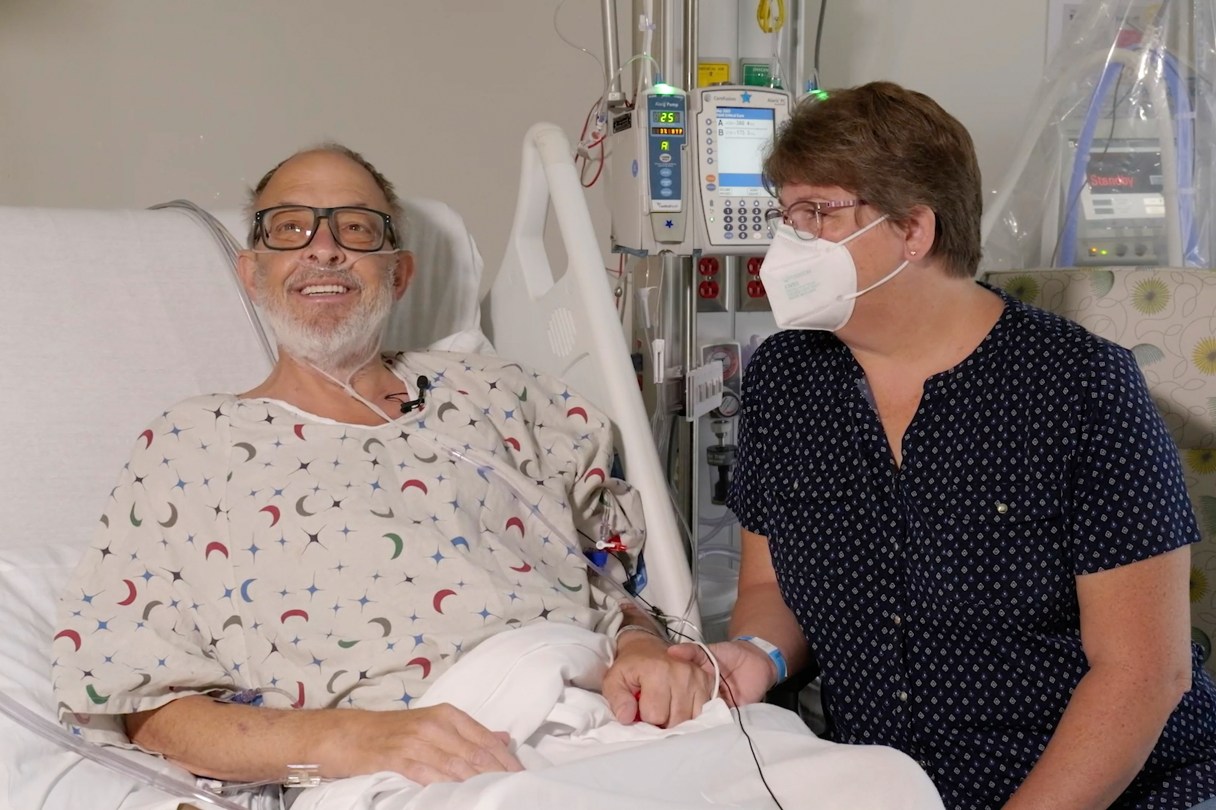
WASHINGTON (AP) — The second person to receive a transplanted heart from a pig has died, nearly six weeks after the highly experimental surgery, his Maryland doctors announced Tuesday.
Lawrence Faucette, 58, was dying from heart failure and ineligible for a traditional heart transplant when he received the genetically modified pig heart on Sept. 20.
According to the University of Maryland School of Medicine, the heart had seemed healthy for the first month but began showing signs of rejection in recent days. Faucette died Monday.
In a statement released by the hospital, Faucette’s wife, Ann, said her husband “knew his time with us was short and this was his last chance to do for others. He never imagined he would survive as long as he did.”
The Maryland team last year performed the world’s first transplant of a heart from a genetically altered pig into another dying man. David Bennett survived two months before that heart failed, for reasons that aren’t completely clear although signs of a pig virus later were found inside the organ. Lessons from that first experiment led to changes, including better virus testing, before the second attempt.