
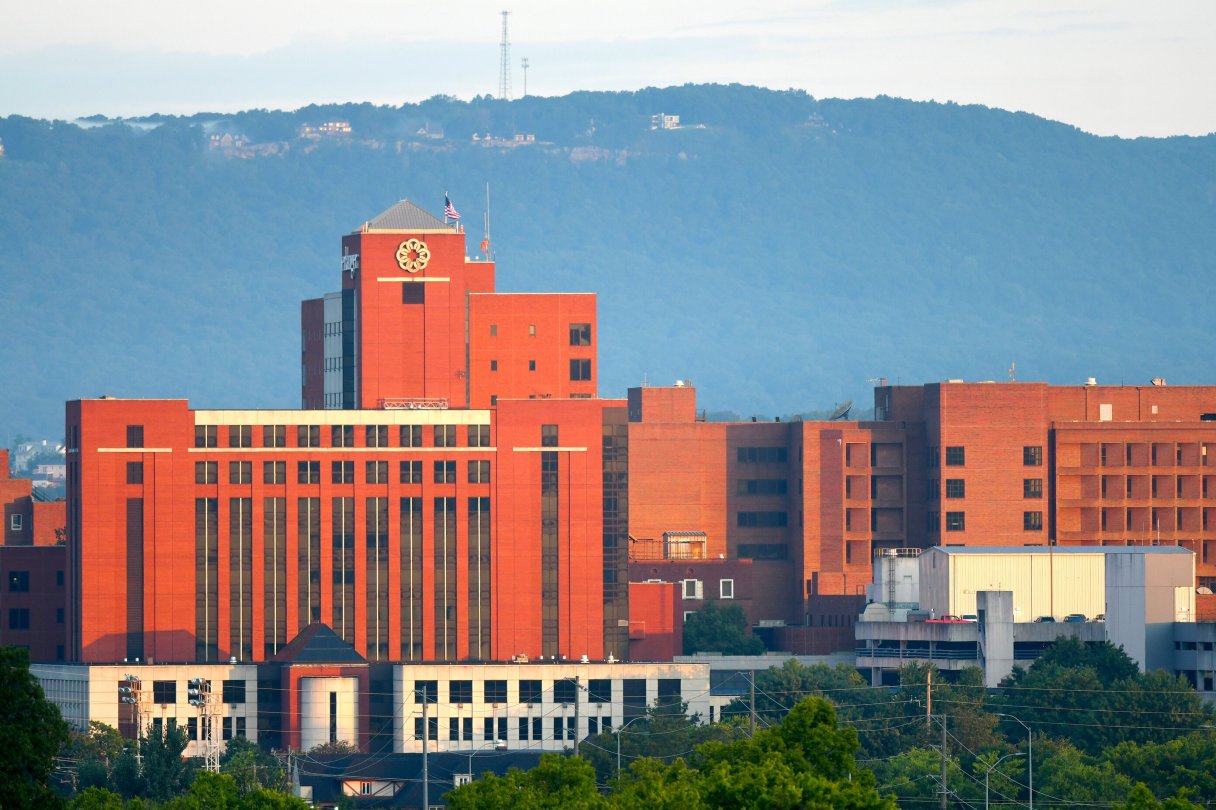
A federal whistleblower lawsuit accusing Erlanger Health of illegal billing practices that compromised patient safety is moving forward, with depositions expected to begin in the first quarter of 2024, according to a lawyer who represents the plaintiffs.
The complaint, brought under the federal False Claims Act and Tennessee Medicaid False Claims Act, was filed in April 2021 in U.S. District Court and alleges surgeons who practice at Erlanger violated state and federal law by regularly billing for two or three different surgeries in the same time frame. Clinicians named in the suit allegedly left trainees alone to complete operations without physician oversight or patient consent.
“It’s the kind of case that has public importance, obviously, because it involves public money and involves the health and welfare and safety of individuals who at least live in the Chattanooga area, if not beyond,” said Reuben Guttman, an attorney representing the whistleblowers.
The False Claims Act is a long-standing statute that allows individuals with nonpublic information to bring a suit in the name of the government to allege false statements or fraudulent representations have been used to secure government payment.
Medicare and Tennessee’s Medicaid program, TennCare, require a supervising or teaching physician to be present for the “key and critical” portions of each surgery in order to bill for the procedure and receive payment.