
Monday, November 16, 2026Nov 16

How Houthi attacks on ships in the Red Sea are affecting global trade

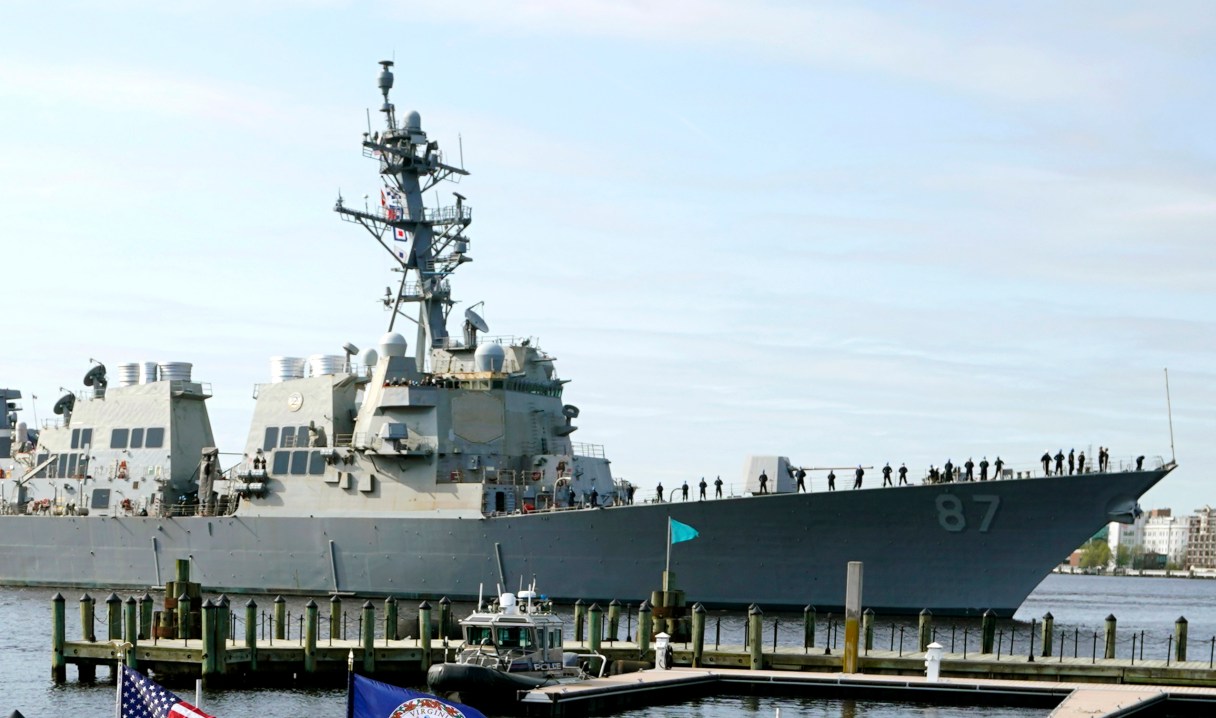
File - The USS Mason, an Arleigh Burke-class destroyer, passes a dock in Norfolk, Va., April 8, 2021. Officials said the USS Mason shot down a suspected Houthi drone flying in its direction during an incident in which two missiles fired from territory held by Yemen's Houthi rebels missed a commercial tanker loaded with jet fuel near the key Bab el-Mandeb Strait on Wednesday. (AP Photo/Steve Helber)

LONDON (AP) — The attacks on commercial ships in the Red Sea by Yemen’s Houthi rebels have rerouted a majority of global trade away from the crucial maritime artery for consumer goods and energy supplies, a shift expected to trigger delays and rising prices.

Oil, natural gas, grain and everything from toys to electronics typically travel through the waterway separating Africa and the Arabian Peninsula en route to the Suez Canal, where 12% of the world’s trade passes.

Some of the world’s largest container shipping companies and oil giant BP are sending vessels on longer journeys that bypass the Red Sea. In response to the growing impact to global trade, the U.S. and a host of other nations have created a new force to protect ships.

Here are things to know about the recent attacks and the impact on global shipping:

WHY ARE HOUTHIS ATTACKING SHIPS?