
The joke is told about a poll taker who asks about ignorance and apathy in the country. “I don’t know, and I don’t care,” says the respondent.
The consequences of that attitude are playing out across America.
There are two questions most reporters never seem to ask when it comes to mass demonstrations like the recent ones over the Israeli-Hamas War. One is whether they are spontaneous, or are they organized and subsidized by outside entities? Second, have large financial gifts from foreign entities and left-wing organizations compromised some universities that fear losing money should they speak up in ways that might offend the donors? Failure to ask these questions contributes to public (and student) ignorance and apathy.
Valerie Richardson of The Washington Times is an exception among journalists. She writes: “The same U.S. universities that increasingly are seen as breeding grounds for antisemitism have taken billions of dollars in previously undisclosed donations from the Middle East.”
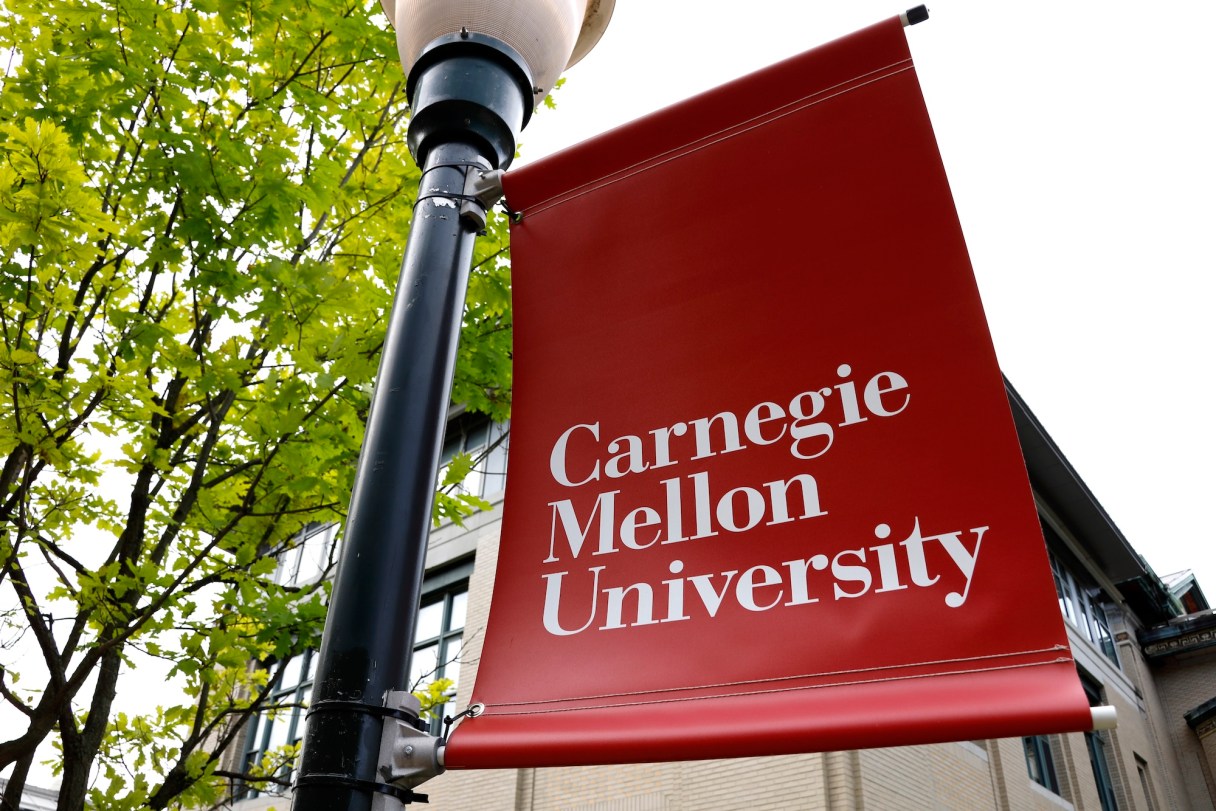
This connection between donations and influence is claimed in a lawsuit by the Lawfare Project on behalf of Carnegie Mellon University student Yael Canaan. She says she has been the target of “pervasive anti-Jewish discrimination.” Canaan linked her allegations to the half-billion dollars donated to the university by Qatar since 2021.