
DENVER (AP) — In the summer of 2020, Gerard Magliocca, like many during the coronavirus pandemic, found himself stuck inside with time on his hands.
A law professor at Indiana University, Magliocca emailed with another professor, who was writing a book about overlooked parts of the Constitution’s 14th Amendment. He decided he would research the history of two long-neglected sentences in the post-Civil War addition that prohibit those who “engaged in insurrection or rebellion” from holding office.
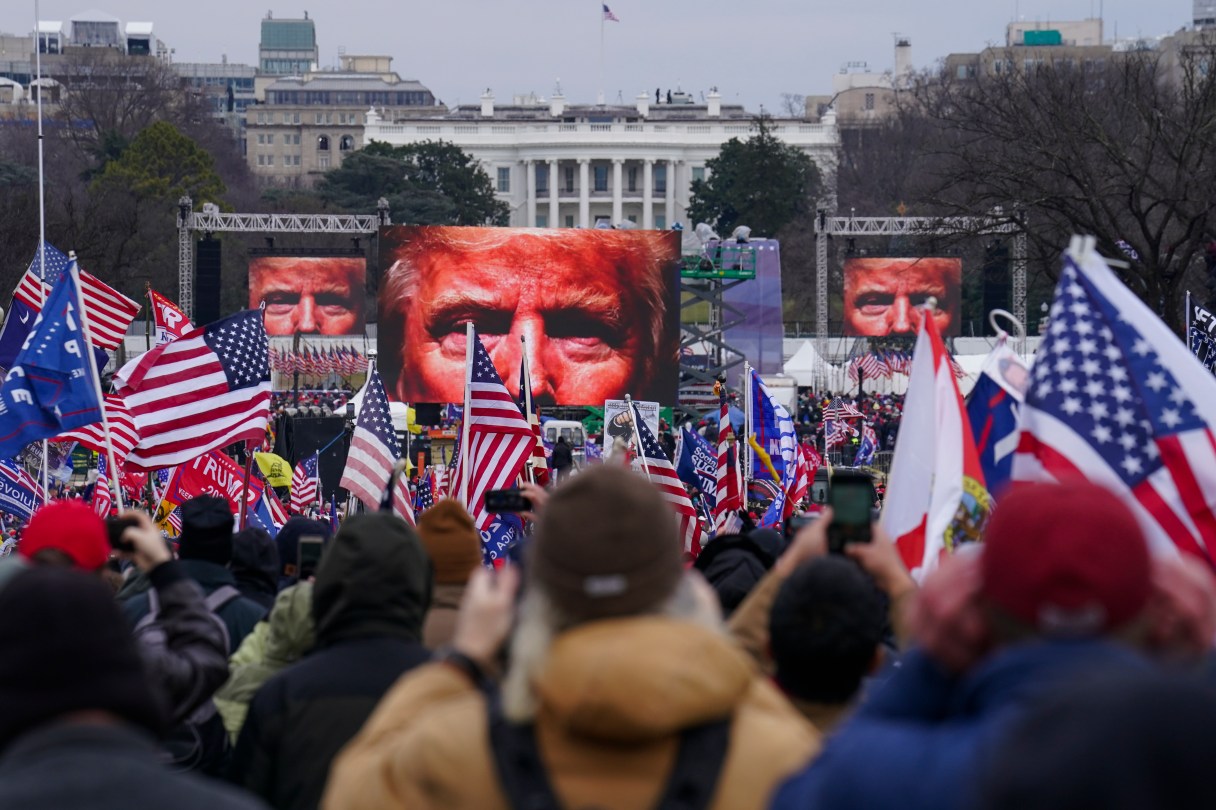
Magliocca posted a copy of his research — which he believed was the first law journal article ever written about Section 3 of the 14th Amendment — online in mid-December of 2020, then revised and re-posted it on Dec. 29. Eight days later, President Donald Trump’s supporters stormed the U.S. Capitol to prevent the certification of his loss to Joe Biden. Magliocca watched as Republicans such as Sens. Mitch McConnell and Mitt Romney described the attack as an “insurrection.”
That night, Magliocca composed a quick post on a legal blog: “Section Three of the Fourteenth Amendment,” he wrote, “might apply to President Trump.”
Just over four years later, the U.S. Supreme Court will have to determine whether it does. On Thursday, the nation’s highest court is scheduled to hear arguments over whether Trump can remain on the ballot in Colorado, where the state’s Supreme Court ruled that he violated Section 3.