
It’s nearly impossible to get every country in the world to agree on anything. But at the latest United Nations climate talks, leaders representing all the people of Earth held hands and sang in perfect harmony of their shared belief that coal is the absolute worst.
And yet too many of them still can’t seem to get enough of the one fossil fuel that makes oil look like a slacker when it comes to ruining the atmosphere for human habitation. It’s a grim reminder that transitioning the global economy to clean energy will be hard, and exorbitantly expensive, and that wealthier nations must share much more of the burden than they have so far.
It took decades of climate talks for the world to publicly admit, at the COP28 confab in Dubai, that fossil fuels generally are the main culprit behind the greenhouse-gas emissions heating the planet. But a consensus of scorn for coal formed a bit earlier: The world vowed to do away with “unabated” coal power at COP26 in Glasgow in 2021, a pledge it repeated in Dubai without debate.
That’s not working out so great. Global coal consumption has surged more than 5% since that Glasgow agreement, based on International Energy Agency estimates.
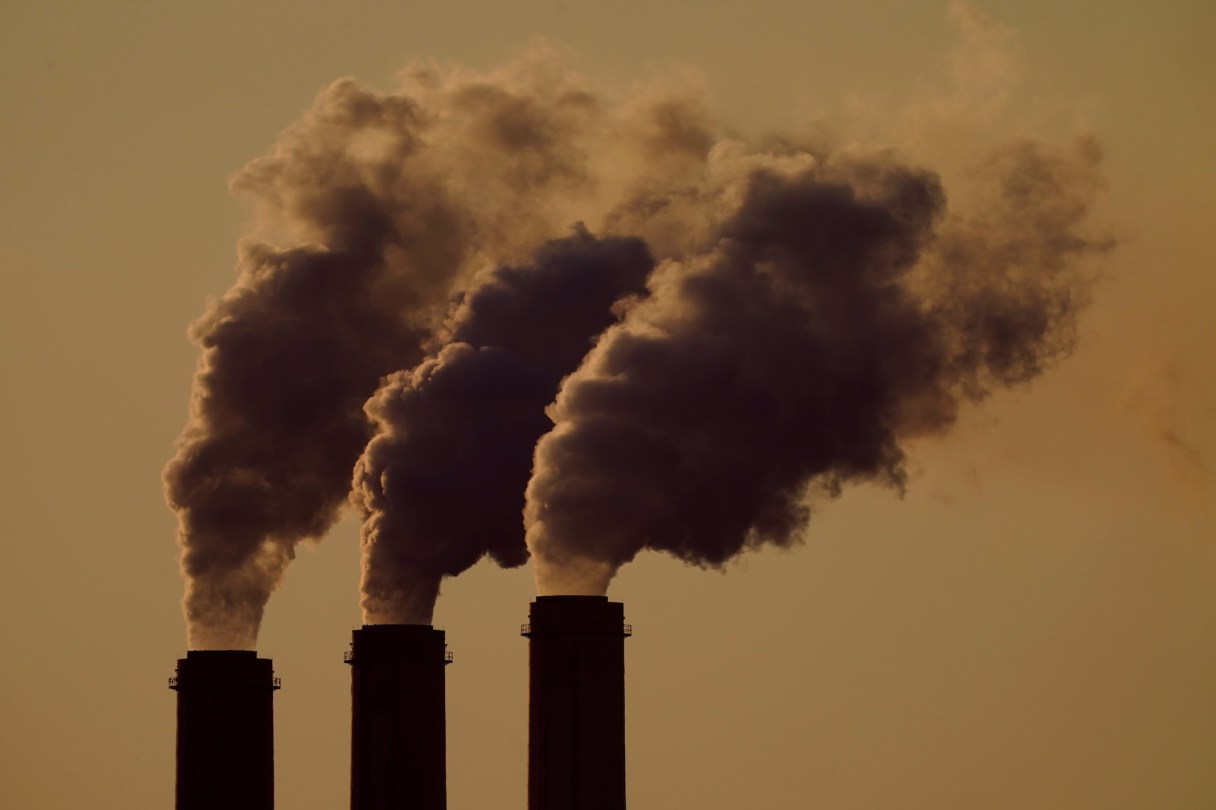
Coal is humanity’s biggest greenhouse-gas polluter, churning out 40% of all energy-related emissions. After dipping during the pandemic, coal emissions surged to a record high of 15.5 gigatons in 2022. That was more than the entire energy emissions of China and three times as much as the U.S.
Coal is in rapid, welcome decline in the U.S. and the EU, tumbling 21% and 23%, respectively, in just the past year, according to the IEA — and this despite the war in Ukraine triggering worries that Europe would be forced to make up for a lack of natural gas by burning the dirtier stuff. In the U.S., renewables now produce more electricity than coal. Even Japan, which has been much more leisurely about ditching coal, burned 8% less this year.
The story is much different beyond the developed world. China, India and fast-growing Southeast Asian economies have all been ramping up coal use lately. All have joined the global pledges to phase out coal — or at least the “unabated” kind, meaning that which doesn’t rely on dodgy carbon-capture technology to negate its greenhouse-gas effects. But it’s still a cheap, reliable source of power when renewables aren’t available, a common problem for developing economies.
The best solution is to bolster renewable capacity to take its place. But that takes money — lots and lots of money. China has been throwing wads of cash at clean energy, and coal’s demise seems inevitable there, my Bloomberg Opinion colleague David Fickling has written. But poorer developing nations will need a hand. In 2021, the Group of Seven leading industrial nations set up the Just Energy Transition Partnership to help some of the world’s most dedicated burners of coal to switch to cleaner energy. The results have been underwhelming.
At COP28, even as they finally vowed to ditch fossil fuels (slowly, and not until 2050-ish), global leaders conveniently omitted the details of who will pay for that monumental change. The world’s struggle to kick its coal habit is a striking example of why it behooves well-to-do countries to get much more serious about helping their poorer cousins hurry their transitions. That could involve committing to end coal burning much more quickly, as the International Institute for Sustainable Development has proposed. Whatever the means, the key is to remember that the coal burned in Vietnam profoundly affects the climate in Vermont and Vienna.