
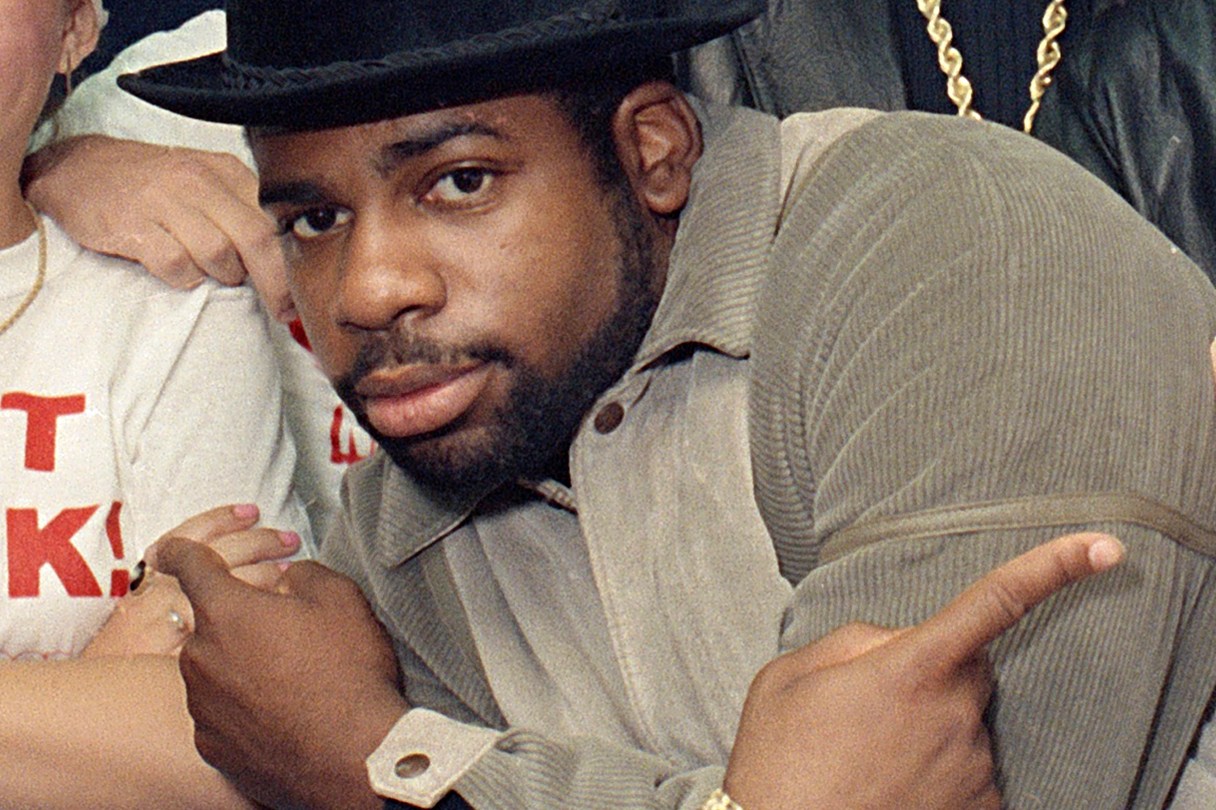
NEW YORK (AP) — More than 20 years after Run-D.M.C. star Jam Master Jay was brazenly gunned down in his recording studio, two men close to him were convicted Tuesday of murder, marking a moment authorities had long awaited in one of the hip-hop world’s most elusive cases.
An anonymous Brooklyn federal jury found Karl Jordan Jr. and Ronald Washington guilty of killing the pioneering DJ in 2002 over what prosecutors characterized as revenge for a failed drug deal.
The musician, born Jason Mizell, worked the turntables in Run-D.M.C. as it helped hip-hop break into the pop music mainstream in the 1980s with such hits as “It’s Tricky” and a fresh take on Aerosmith’s “Walk This Way.”
Like the slayings of rap icons Tupac Shakur and the Notorious B.I.G. in the late 1990s, there were no arrests for years. Authorities were deluged with tips, rumors and theories but struggled to get witnesses to open up.
“It’s no mystery why it took years to indict and arrest the defendants,” Breon Peace, the top federal prosecutor in Brooklyn, told reporters after Tuesday’s verdict. He said key witnesses “were terrified that they would be retaliated against if they cooperated with law enforcement.”