
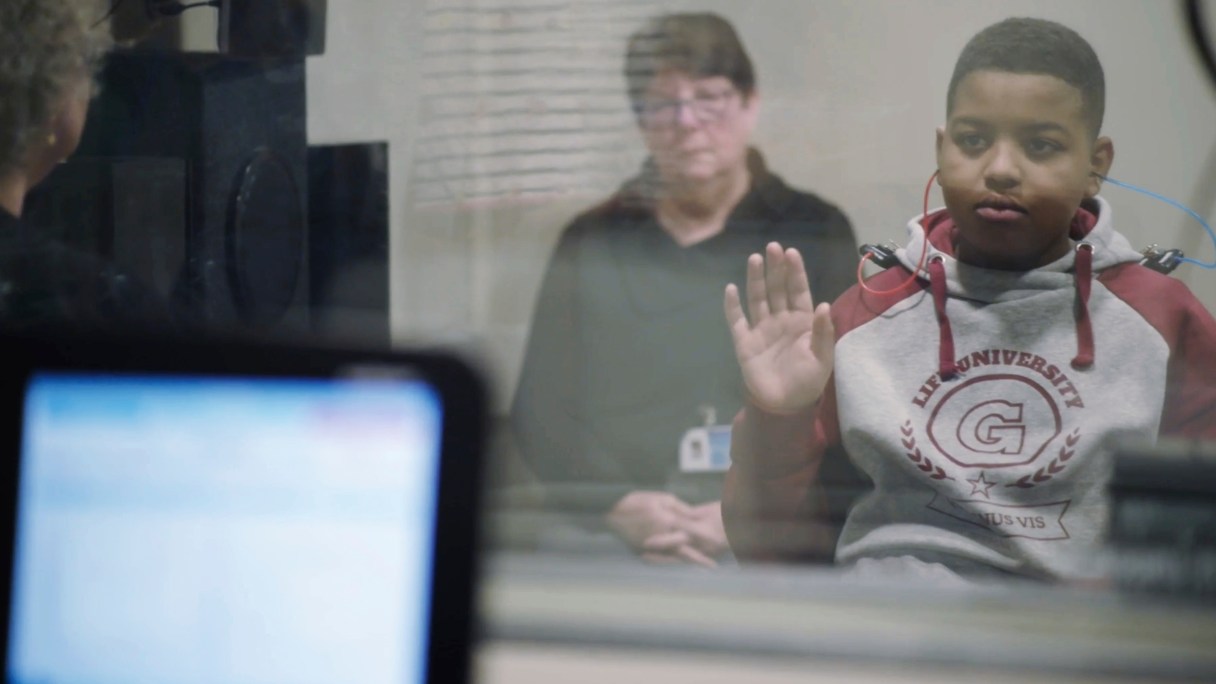
Gene therapy has allowed several children born with inherited deafness to hear.
A small study published Wednesday documents significantly restored hearing in five of six kids treated in China. On Tuesday, the Children’s Hospital of Philadelphia announced similar improvements in an 11-year-old boy treated there. And earlier this month, Chinese researchers published a study showing much the same in two other children.
So far, the experimental therapies target only one rare condition. But scientists say similar treatments could someday help many more kids with other types of deafness caused by genes. Globally, 34 million children have deafness or hearing loss, and genes are responsible for up to 60% of cases. Hereditary deafness is the latest condition scientists are targeting with gene therapy, which is already approved to treat illnesses such as sickle cell disease and severe hemophilia.
Children with hereditary deafness often get a device called a cochlear implant that helps them hear sound.
“No treatment could reverse hearing loss … That’s why we were always trying to develop a therapy,” said Zheng-Yi Chen of Boston’s Mass Eye and Ear, a senior author of the study published Wednesday in the journal Lancet. “We couldn’t be more happy or excited about the results.”