
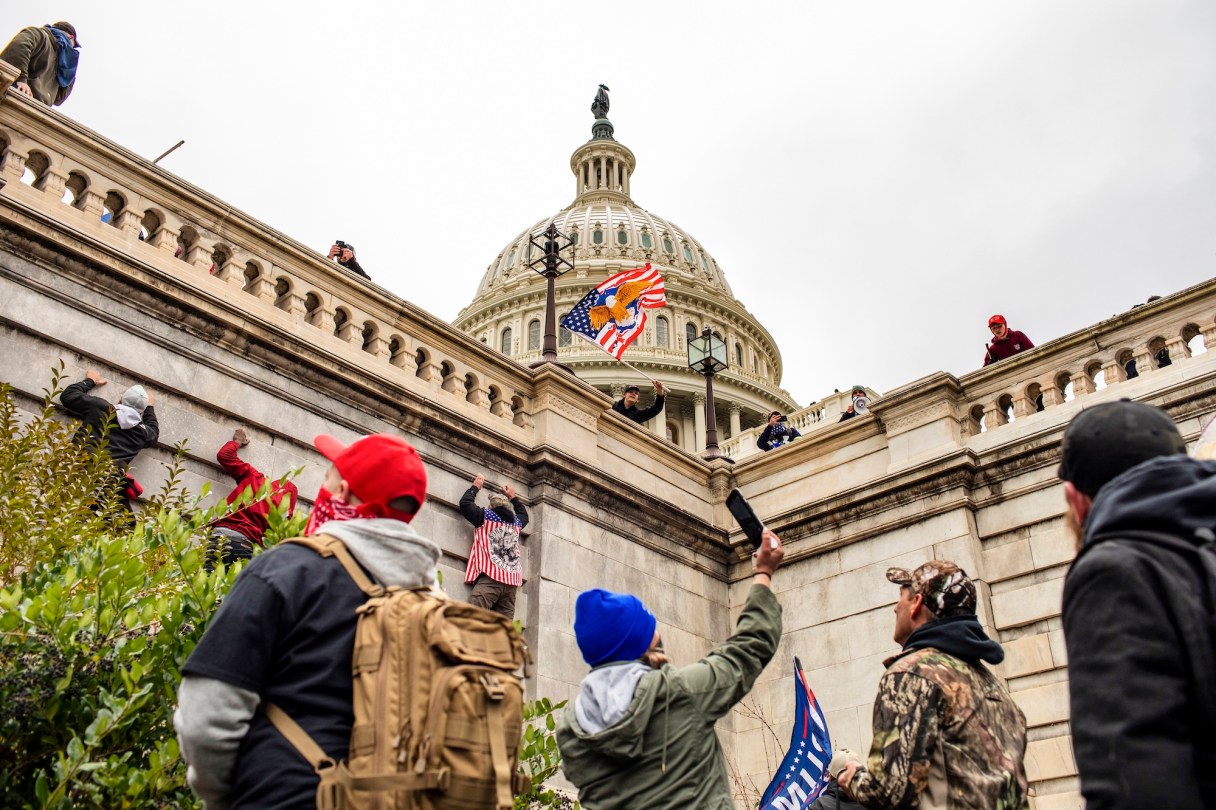
The chaos and fear wrought by the insurrection on Jan. 6, 2021, still stings fresh in the minds of millions of Americans — and particularly mine, as someone who served as a congressional staffer that day. But as a country, I don’t think we’ve adequately grappled with the gravity of what an insurrection means for our democracy. When future generations look back, how will they view our response? Will they see an America that languishes and yields power to tyranny? Or will they see an America that rose to meet the moment, working to refortify a democracy they stand to inherit?
With the grave consequences of that day in mind we need to be able to reflect on this moment in history with unflinching honesty and humility. If we’ve learned anything from the disaster of Jan. 6, it’s that we can’t afford to take our democracy for granted.We must protect it by constantly and diligently working to strengthen our electoral processes for future generations.
It feels surreal knowing Congress will gather again just a year from now to count electoral votes for the 2024 presidential election. It feels even more surreal knowing those votes may again be counted for the same two candidates. While, in some ways, we’re watching history repeat itself, not everything is the same this time around — we’re certainly not going into this election assuming our democracy is invulnerable.
As tangible proof of that reassurance, we can look to the passage of the bipartisan Electoral Count Reform Act in 2022. This critical piece of legislation clarified language in the original 1887 act that had formed the basis of disinformation and conspiracy theories about the ability of the vice president to subvert the vote-counting process — disinformation that was widely promoted by the 2020 Donald Trump campaign. Since January 2021, many states have enacted measures to securely expedite the counting of electoral votes to reduce the potential for disinformation to thrive while at the same time shoring up their legal processes for the certification of elections.
However, much more still needs to be done to prevent the subversion of state election certifications. We’ve also seen many states shift more power to partisan bodies to oversee their elections — creating dangerous opportunities for bad actors to subvert the certification process.