
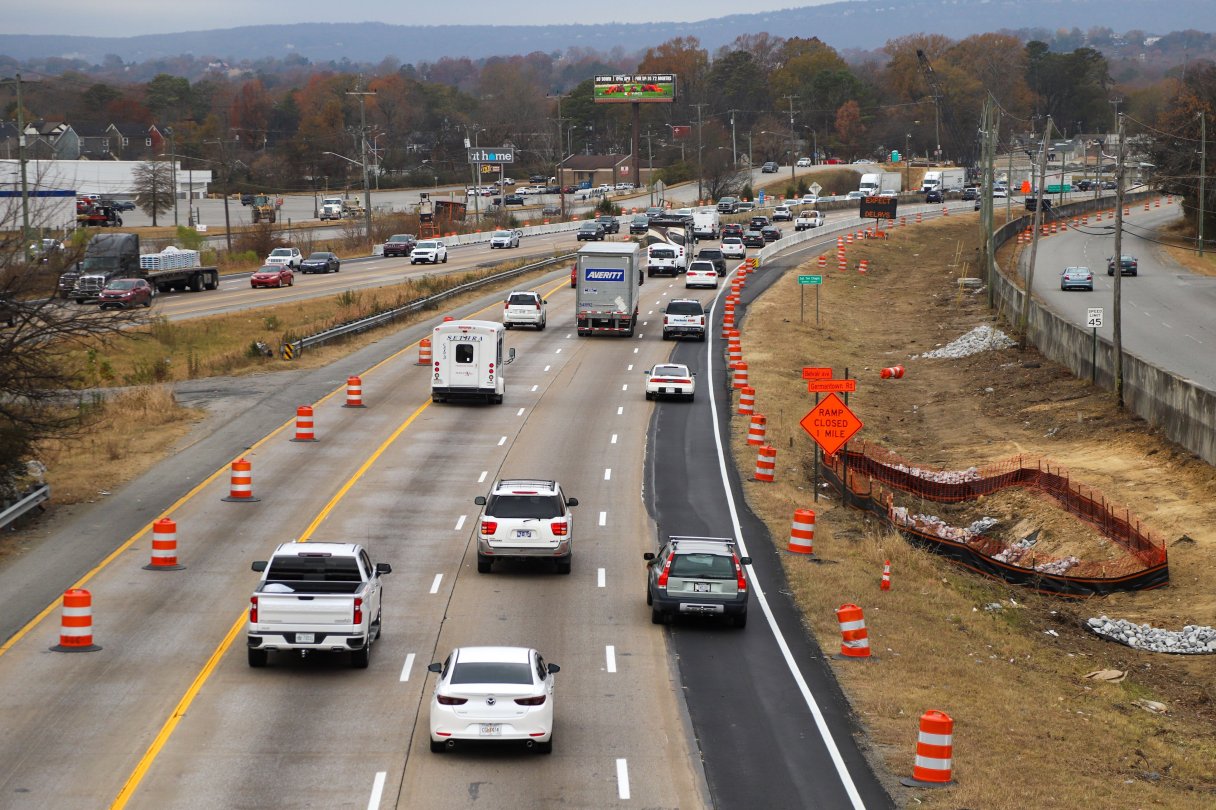
During the past two decades, carbon emissions have dropped about 30% across the Tennessee Valley, but a new study indicates that cutting out all carbon emissions will require further changes in the way people travel, heat their homes and run their businesses.
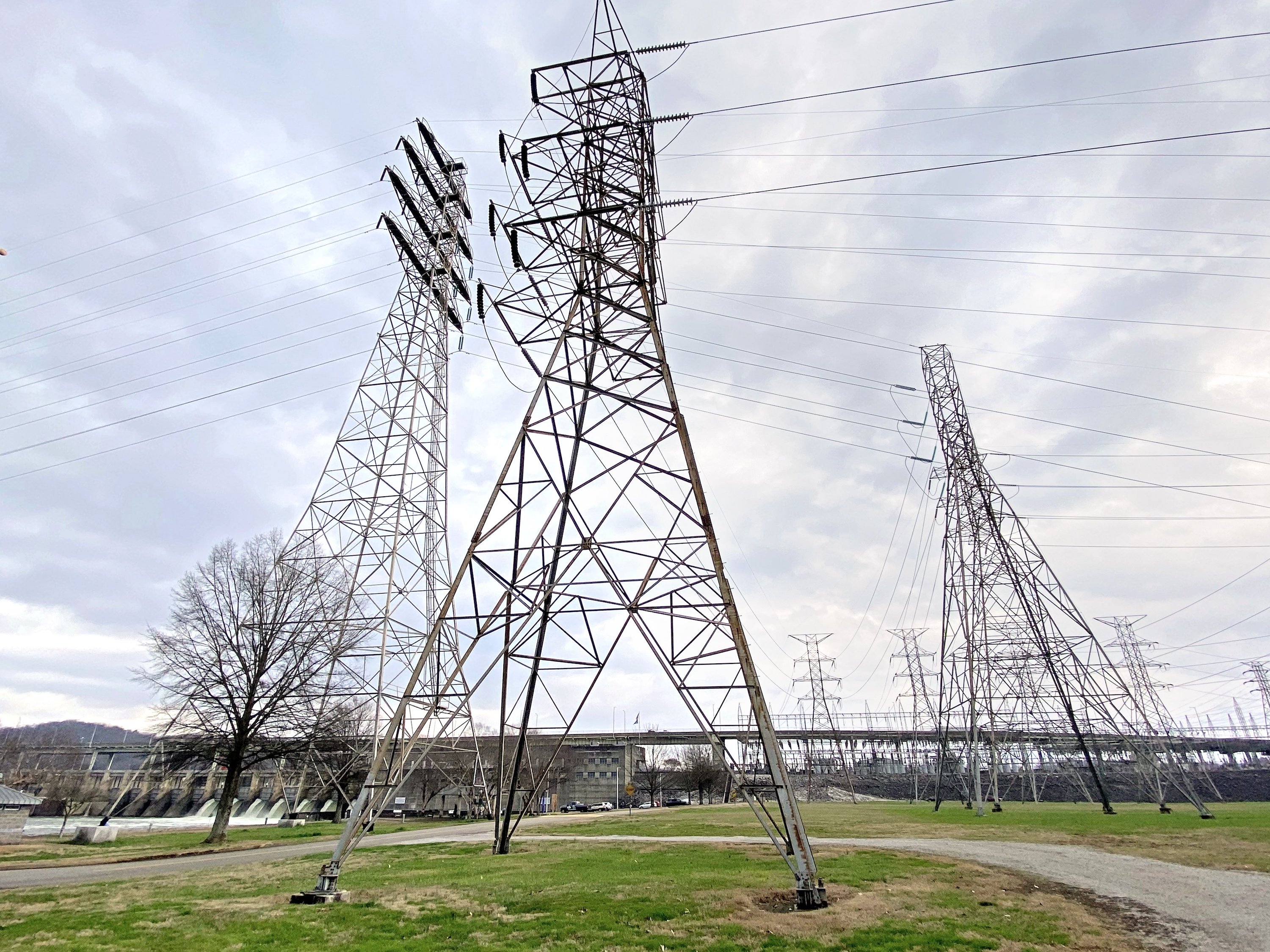
The Tennessee Valley Authority, the federal utility that supplies electricity in seven southeastern states, has cut its greenhouse emissions in half since 2005, primarily by phasing out most of the 59 coal-fired units TVA once used to generate most of its power. But a new University of Tennessee pathways study commissioned by TVA suggests most of the remaining carbon emissions in the utility’s region are coming from continued burning of fossil fuels with gas-powered gas vehicles, which account for more than a third of the valley’s overall emissions.
“Reducing greenhouse gas emissions is not just a case of electrifying everything and pushing the electricity sector to phase out all fossil fuels,” University of Tennessee professor Charles Sims told the TVA board Wednesday during its meeting in Johnson City, Tennessee. “Electricity still needs to strive toward net zero, but shifting all the responsibility to TVA will not achieve economywide net-zero and may make achieving those goals more costly than it needs to be.”
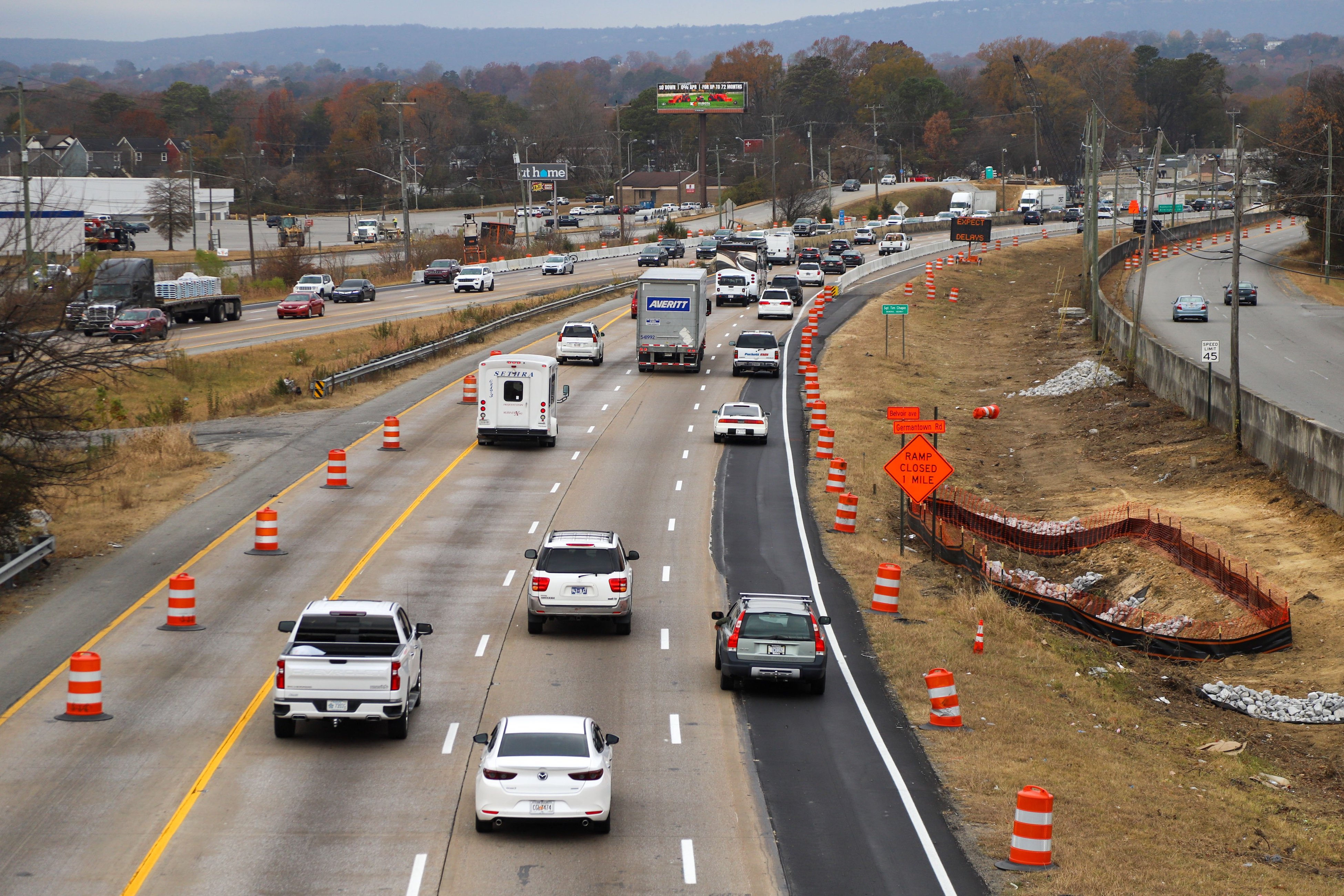


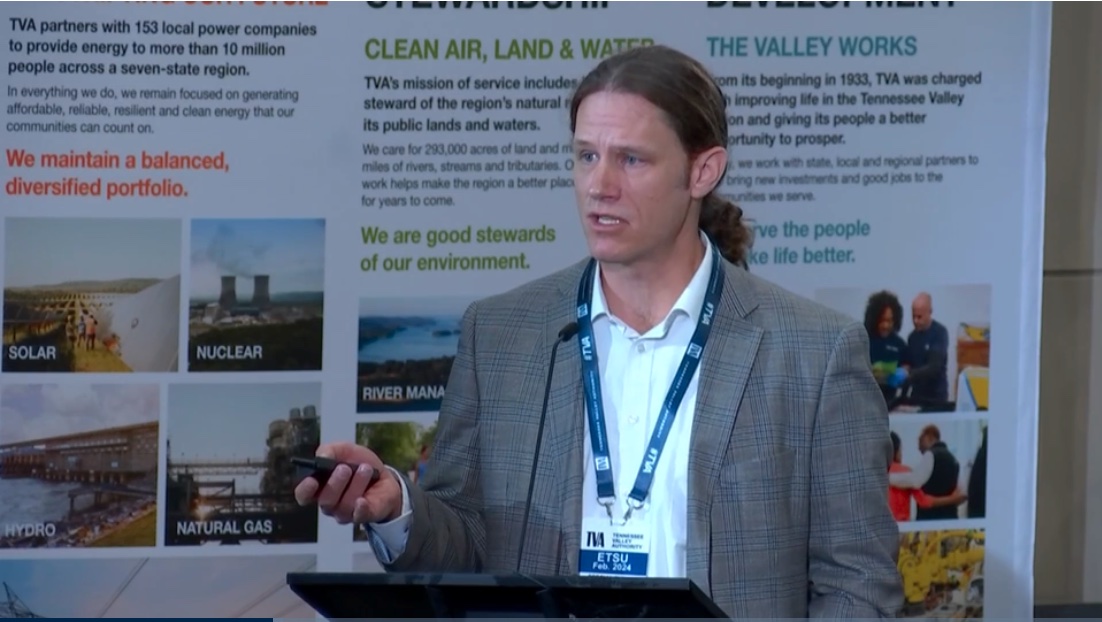
Sims, who was recently named as TVA’s distinguished professor of energy and environmental policy at UT, said the biggest source of carbon emissions in the Tennessee Valley comes from gas-powered cars and trucks, and those emissions have grown while electricity, farming and industrial sources have declined. Transportation accounts for 36% of carbon emissions in the Tennessee Valley — the largest source of carbon emissions — and will continue to rise unless action is taken. Vehicle miles traveled is projected to increase by 59% by 2050.