
Note: This column was updated on Jan. 8 to correct the city in which Mary Lee Rice served on the City Council.
More than a century ago in Chattanooga, prostitution led to prosperity.
A meticulously researched new book reveals that some Chattanooga brothel owners in the early 20th century took in up to $50,000 a year, which is the equivalent of about $1.5 million a year in today’s dollars.
David B. Dearinger, a retired art history professor living in Richmond, Virginia, has spent about a decade researching events surrounding the city’s all-but-forgotten “red-light district,” which flourished here from the late 19th century until about the start of World War I. Estimates are that there were 15 to 20 brothels concentrated in a few square blocks in West Chattanooga, each housing up to 12 prostitutes.
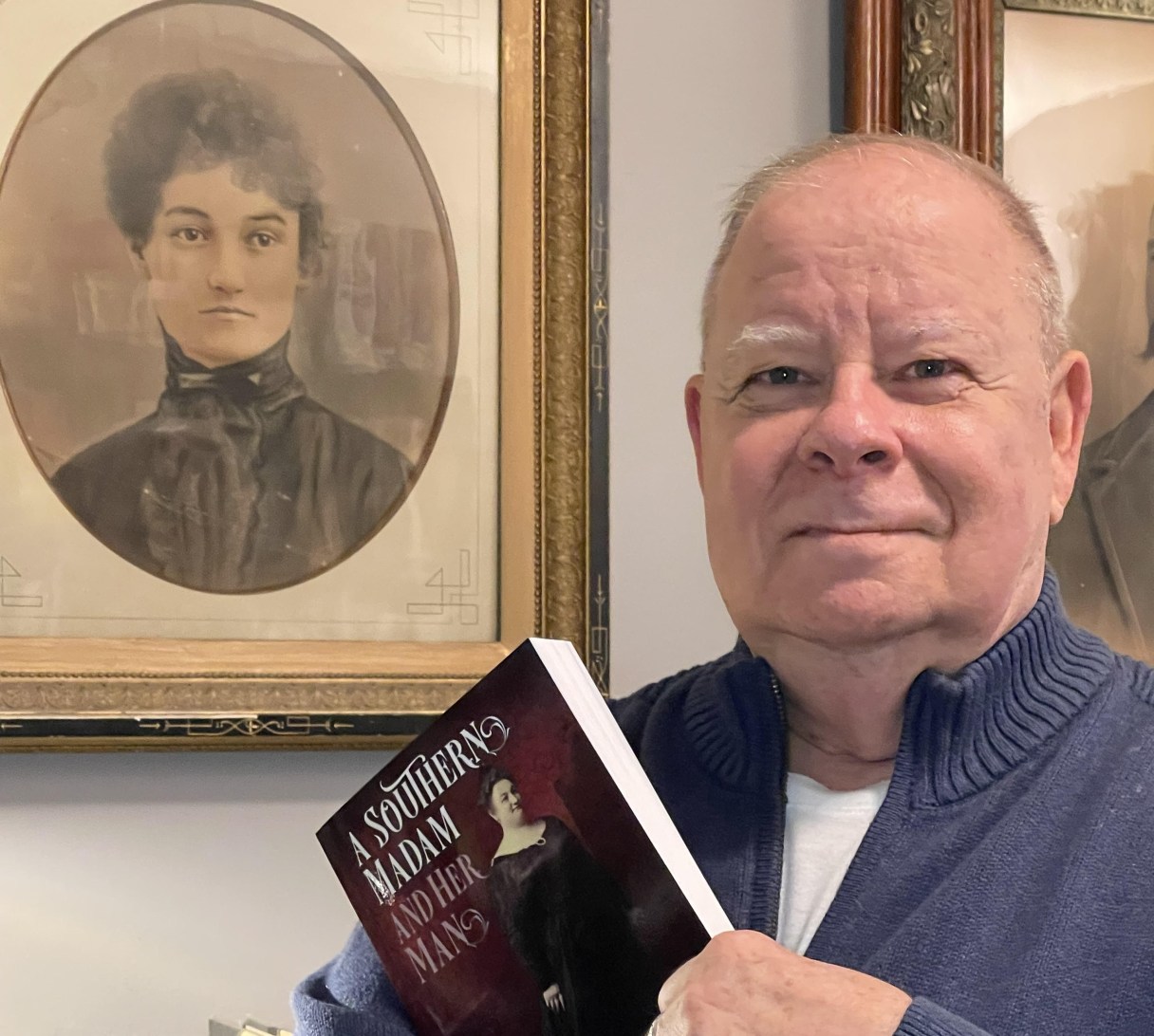
Dearinger has compiled his research into a book, “A Southern Madam and Her Man” (White Poppy Press, 337 pages, Amazon.com), which is a deeply personal account of the lives of his great-grandparents, Susie Tillett, who ran brothels here and in Lexington, Kentucky, and her common-law husband, Arthur Jack, a saloon owner and sportsman who was frequently mentioned in Chattanooga newspaper stories.