
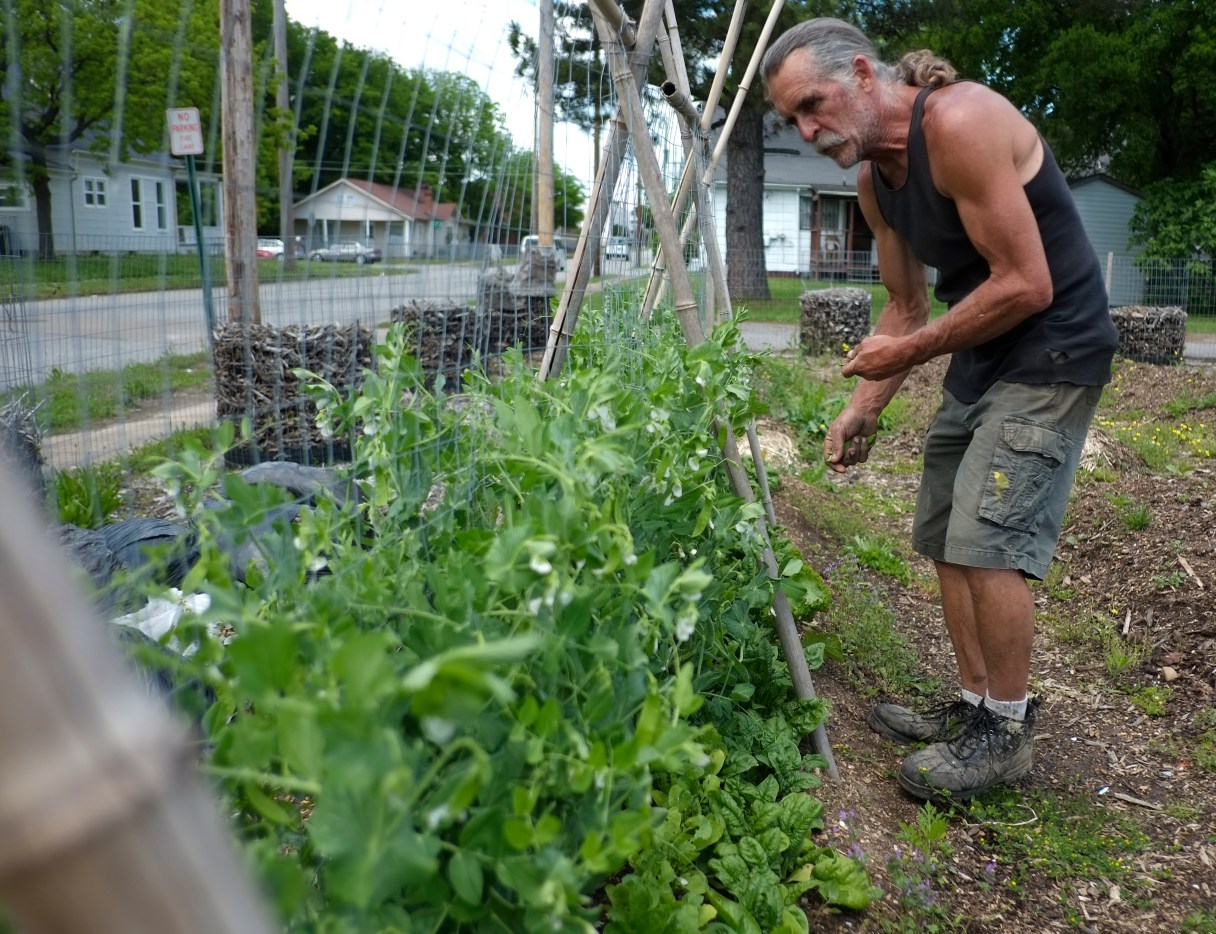
It is almost passé at this point to sing the praises of the homegrown tomato, or to extol the virtues of backyard chickens, farmers markets and farm-to-table restaurants. Six years ago, Gallup reported that “[n]early three-quarters of Americans say they actively try to include locally grown foods in their diets.” It seems the age of nutritious local food has arrived.
But not everyone has reaped the rewards of the local food era, and Joel Tippens, head of City Farms Grower Coalition, is hosting a discussion in hopes of changing that. On March 22, the Urban Agriculture Roundtable will convene at Crabtree Farms to discuss ways to work toward food justice in Chattanooga. According to the website FoodPrint, food justice “is a holistic and structural view of the food system that sees healthy food as a human right and addresses structural barriers to that right.” Or as Tippens, a longtime local food organizer, puts it, “It has to do with people having decision-making power to access the freshest, most nutritious food to cook and serve in their household.”
But the solution to accessing good food isn’t just planting grocery stores in communities that have lost them, Tippens said. While he acknowledges that Chattanooga could use more grocery stores in low-income neighborhoods, he suggests other ways to achieve food justice as well. “Being able to grow your own [food], join a community garden [or] access a farmers market with culturally appropriate foods that take EBT payments or SNAP benefits” can help, too. “This is the ‘affordable care act,'” he adds. “Being able to grow your own food is the best health plan available.”
With the Urban Agriculture Roundtable, Tippens hopes to bring together many of the people and organizations in Chattanooga who are already working on the issues of food security, food access and food equity. While this may seem to leave out many Chattanoogans, myself included, Tippens is quick to add that the invitation includes “folks with a garden that may be ready to take it up a notch and find out how to go about starting a community garden, school garden or church garden.”