
Tuesday, November 17, 2026Nov 17

IVF is dominating headlines in Alabama and across the country. Here’s what you should know about it

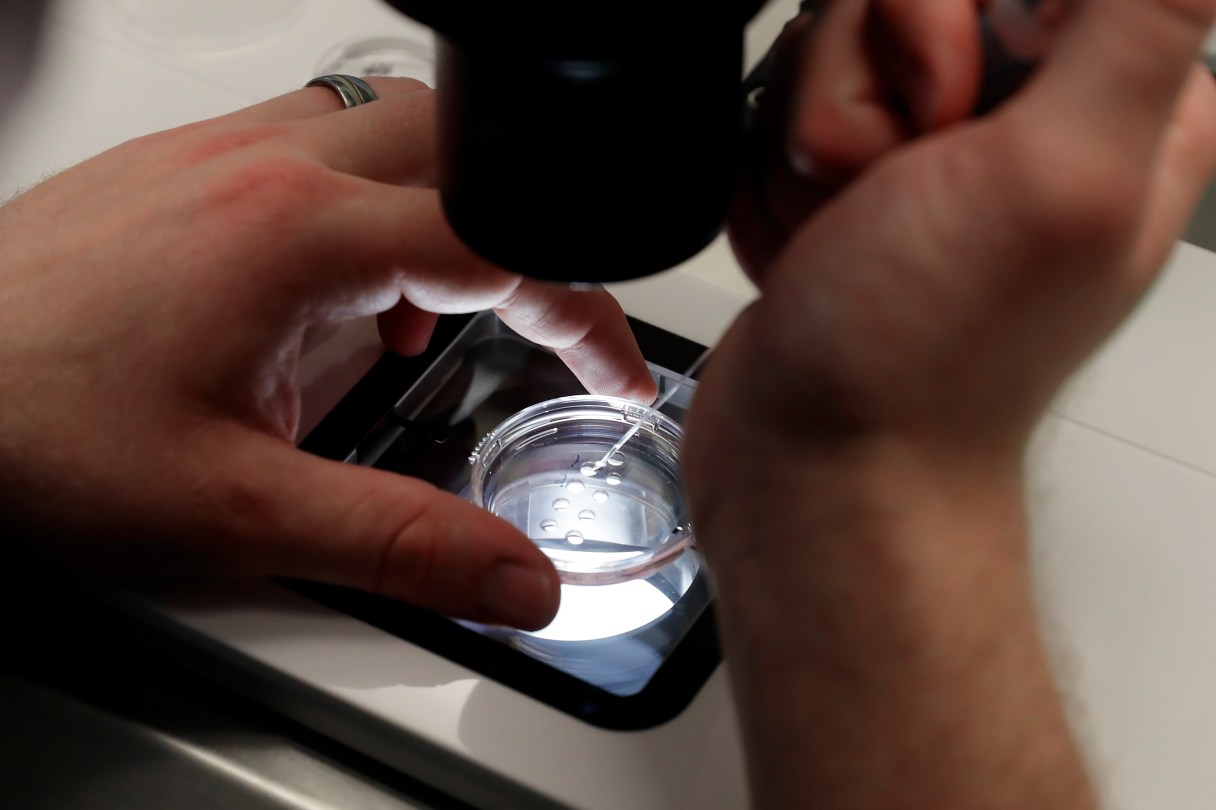
Lab staff prepare small petri dishes, each holding several 1-7 day old embryos, for cells to be extracted from each embryo to test for viability at the Aspire Houston Fertility Institute in vitro fertilization lab Tuesday, Feb. 27, 2024, in Houston. Women over 35 and those facing serious diseases like cancer, lupus and sickle cell are among the most likely to turn to IVF to build the families they desperately want. But in Alabama, they are among those whose dreams are in limbo after three of the state's largest clinics paused IVF services. (AP Photo/Michael Wyke)


Alabama lawmakers and Gov. Kay Ivey agreed to protect in vitro fertilization providers from legal liability Wednesday, more than two weeks after the Alabama Supreme Court ruled that frozen embryos can be considered children under state law and touched off immediate backlash.

IVF quickly became a talking point for former President Donald Trump, who said he strongly supports its availability. The Biden administration sent the Health and Human Services secretary to Alabama after the ruling, and Virginia Democratic Sen. Tim Kaine is bringing as his guest to Thursday’s State of the Union the first person to be conceived via IVF.

Three of the state’s major IVF providers had paused services after last month’s decision, which recognized embryos as “extrauterine children,” was issued in wrongful death cases brought by couples who had frozen embryos destroyed in an accident. Wednesday’s new law protects providers from lawsuits and criminal prosecution for the “damage or death of an embryo” during IVF services.

Here’s what to know about this increasingly common fertility treatment.