Thursday, October 29, 2026Oct 29

This story is free to read.

Statistical models vs. front-line workers: Who knows best how to spend opioid settlement cash?
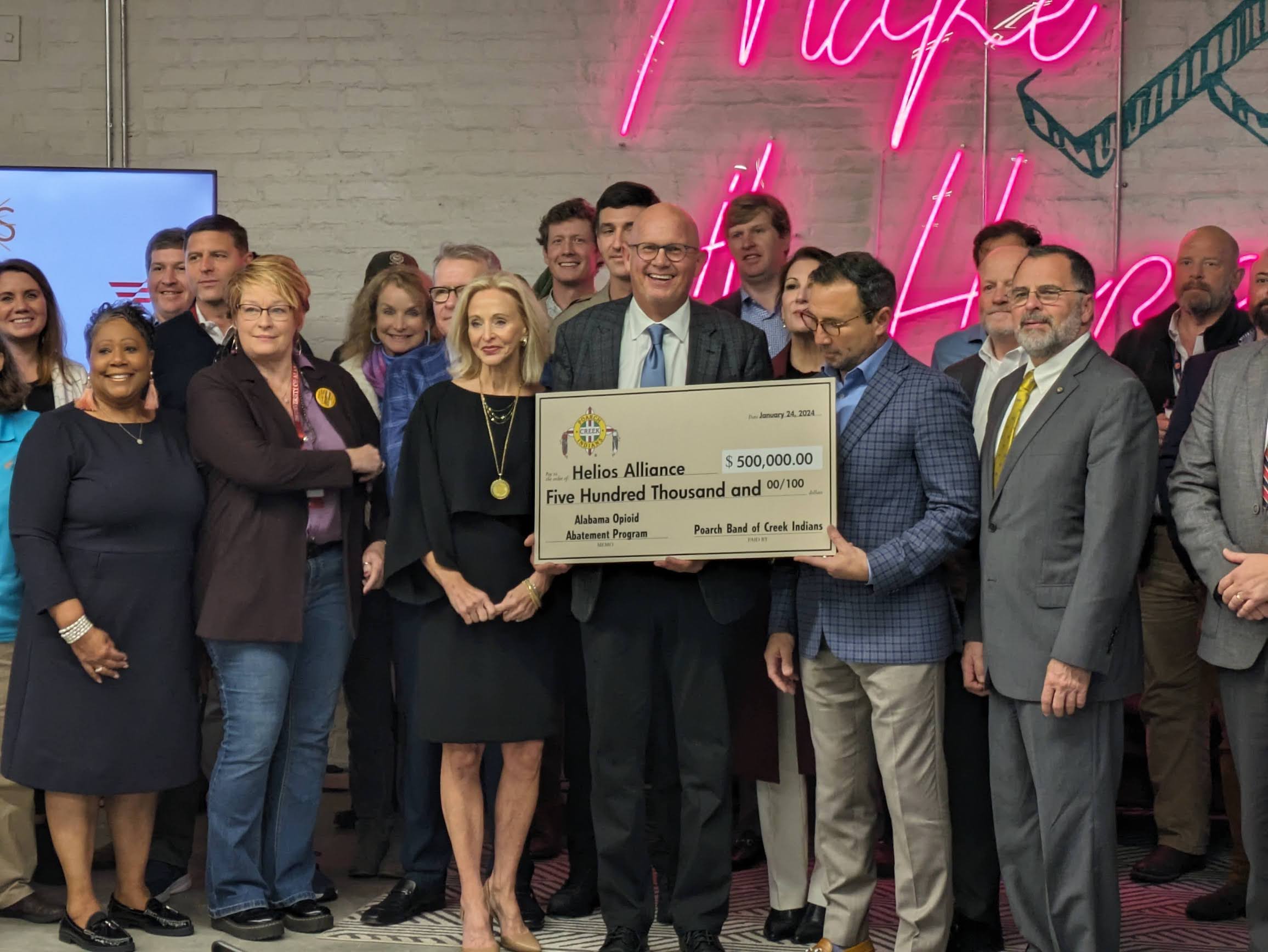
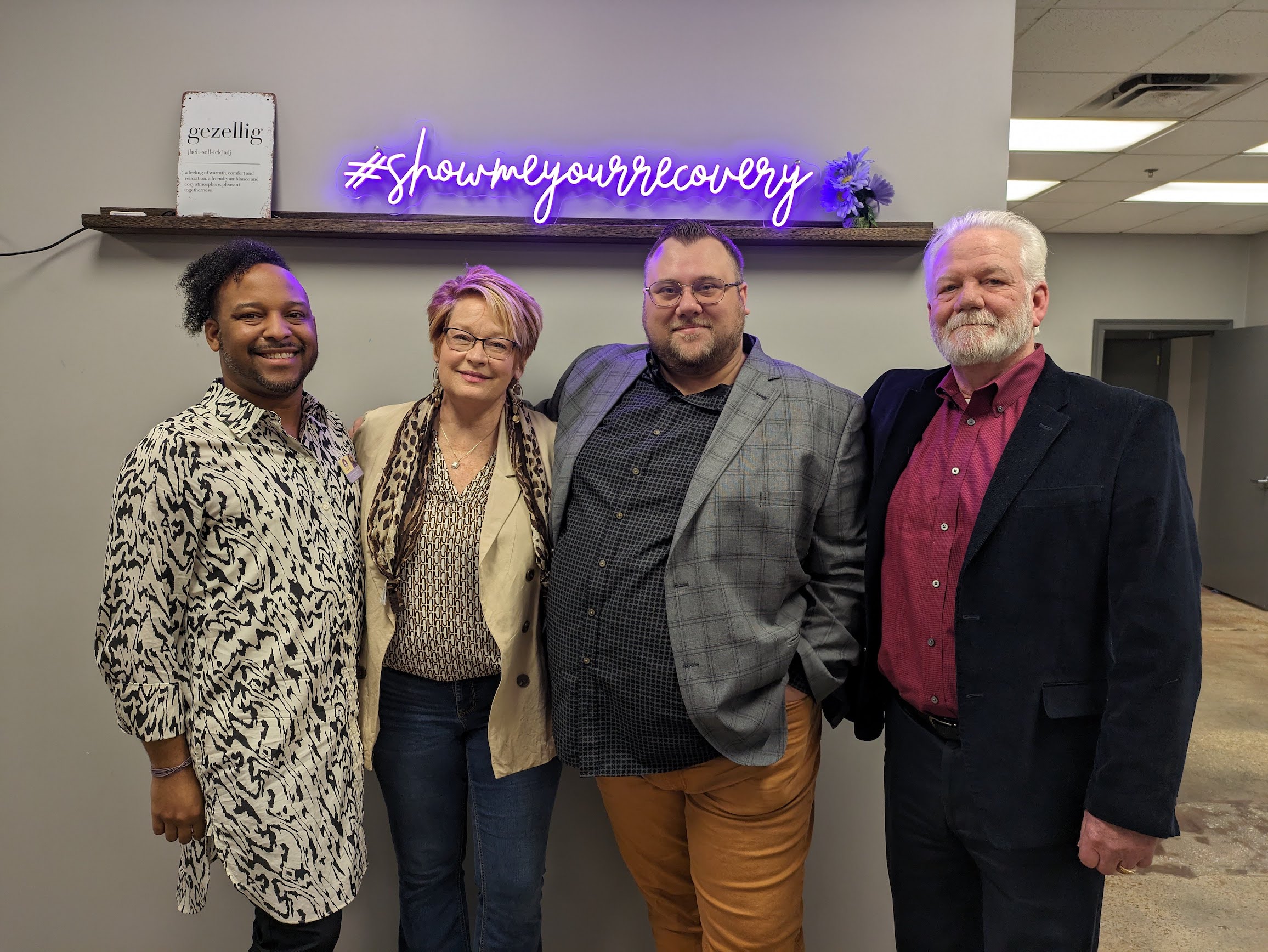
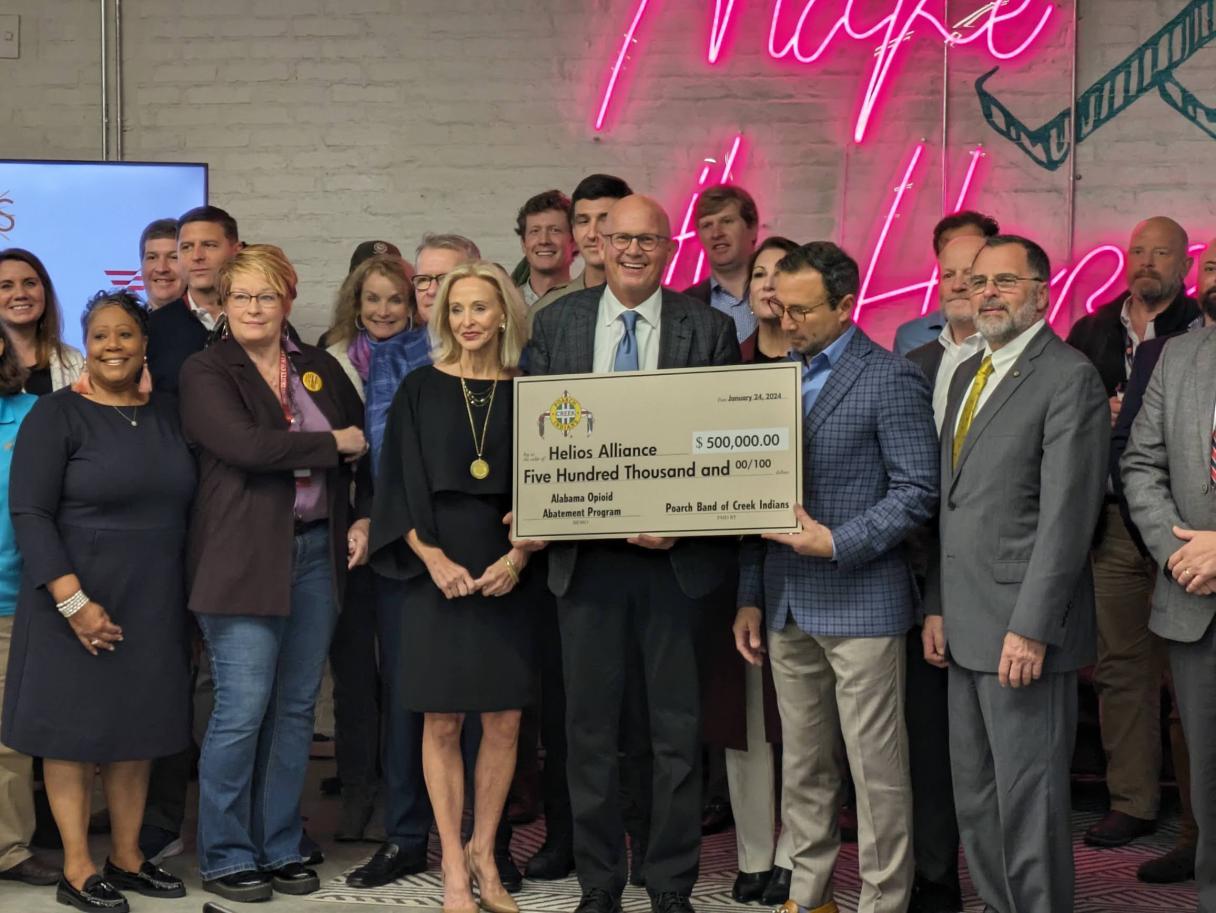
At an event Jan. 24 in downtown Mobile, Ala., the Poarch Band of Creek Indians presented a check for $500,000 from the tribe's opioid settlement funds to the Helios Alliance, a group of statistical modelers, media strategists, consultants and artificial intelligence experts. The alliance plans to use the money to build a model it says can help Alabama leaders decide how to spend the rest of their opioid settlement funds. (Aneri Pattani/KFF Health News)
At an event Jan. 24 in downtown Mobile, Ala., the Poarch Band of Creek Indians presented a check for $500,000 from the tribe's opioid settlement funds to the Helios Alliance, a group of statistical modelers, media strategists, consultants and artificial intelligence experts. The alliance plans to use the money to build a model it says can help Alabama leaders decide how to spend the rest of their opioid settlement funds. (Aneri Pattani/KFF Health News) At an event Jan. 24 in downtown Mobile, Ala., the Poarch Band of Creek Indians presented a check for $500,000 from the tribe's opioid settlement funds to the Helios Alliance, a group of statistical modelers, media strategists, consultants and artificial intelligence experts. The alliance plans to use the money to build a model it says can help Alabama leaders decide how to spend the rest of their opioid settlement funds. (Aneri Pattani/KFF Health News)


MOBILE, Ala. — In this Gulf Coast city, addiction medicine doctor Stephen Loyd announced at a January event what he called “a game-changer” for state and local governments spending billions of dollars in opioid settlement funds.

The money, which comes from companies accused of aggressively marketing and distributing prescription painkillers, is meant to tackle the addiction crisis.

But “how do you know that the money you’re spending is going to get you the result that you need?” asked Loyd, who was once hooked on prescription opioids himself and has become a nationally known figure since Michael Keaton played a character partially based on him in the Hulu series “Dopesick.”

Loyd provided an answer: Use statistical modeling and artificial intelligence to simulate the opioid crisis, predict which programs will save the most lives, and help local officials decide the best use of settlement dollars.