
Monday, November 16, 2026Nov 16

The Vatican’s problematic process to address clergy sex abuse cases, explained

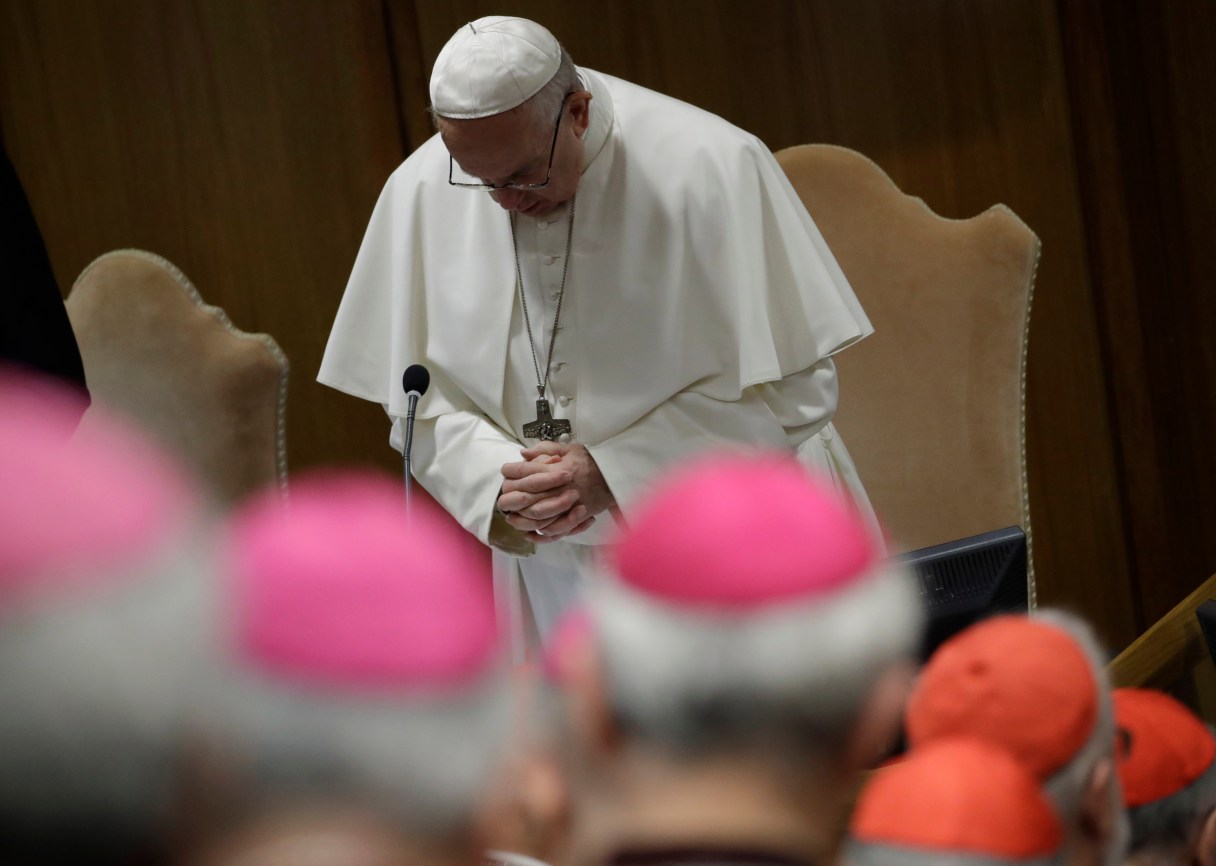
FILE - Pope Francis prays at the beginning of the third day of a Vatican's conference on dealing with sex abuse by priests, at the Vatican, Saturday, Feb. 23, 2019. Five years ago this week, Francis convened an unprecedented summit of bishops from around the world to impress on them that clergy abuse was a global problem and they needed to address it, but now, five years later, despite new church laws to hold bishops accountable and promises to do better, the Catholic Church's in-house legal system and pastoral response to victims has proven again to be incapable of dealing with the problem. (AP Photo/Alessandra Tarantino, Pool, file)


VATICAN CITY (AP) — One afternoon in mid-December, Pope Francis had a meeting that wasn’t on his official agenda or otherwise recorded, that underscored the utter dysfunction of the Catholic Church’s response to the global clergy sex abuse scandal.

In the main reception room of the Vatican hotel where he lives, Francis met for more than an hour with a Spaniard who as a young seminarian was molested by his spiritual director. The former seminarian was desperate.

He had lodged a complaint with the Toledo, Spain Archdiocese in 2009, and visited Vatican offices multiple times to deposit damning documents and demand action be taken against his abuser and the bishops who allegedly covered for him. But for 15 years, he had received no justice from the church.

While Francis’ decision to hear his story was laudable and pastorally sensitive, it was also evidence that the church’s in-house system to deal with abuse isn’t working — from the laws available to punish abusers to its policies for helping survivors. For every victim who has enough well-connected friends at the Vatican who can arrange a papal audience, countless others will never feel that the church cares for them or will provide them justice.