
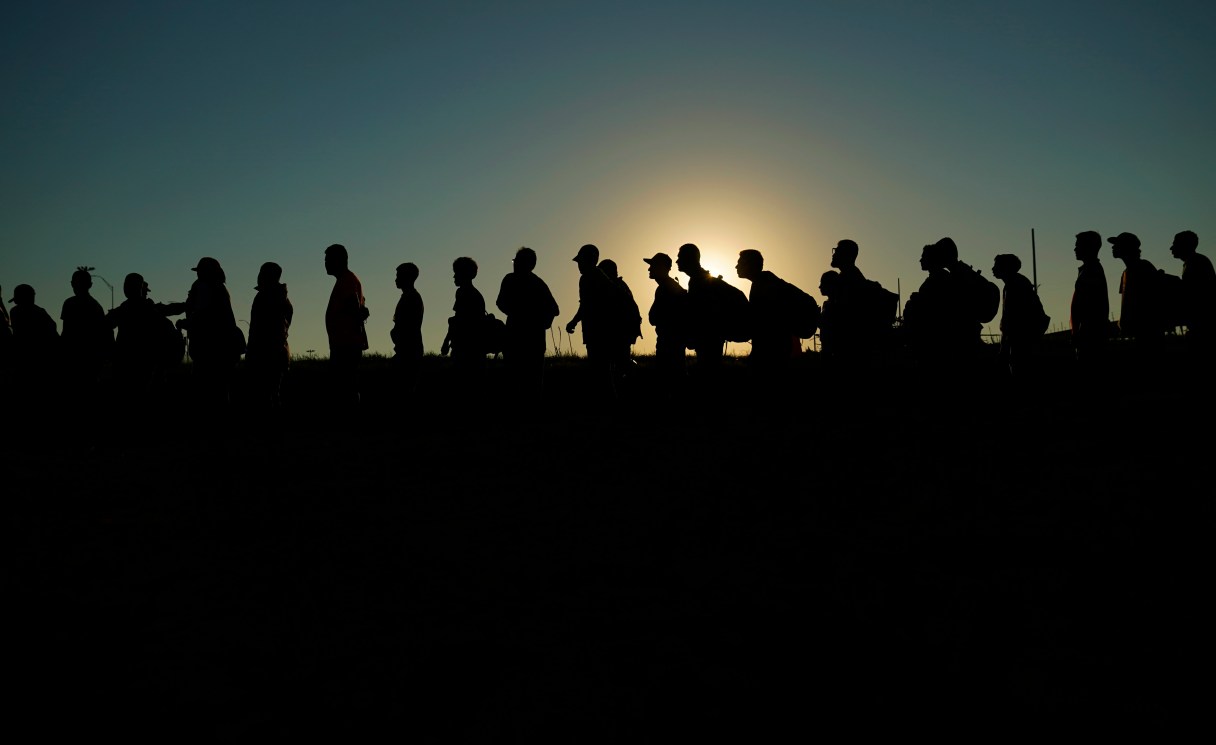
McALLEN, Texas (AP) — Plans by Texas to arrest migrants suspected of entering the U.S. illegally were again on hold Wednesday after setting off uncertainty along the border and anger from Mexico flared during a brief few hours that the law was allowed to take effect.
A late-night order Tuesday from a 5th U.S. Circuit Court of Appeals panel put on hold — again — Texas’ dramatic state expansion into border enforcement. Earlier in the day, the U.S. Supreme Court had cleared the way for the strict immigration law, dealing a victory to Republican Gov. Greg Abbott and encouraging GOP lawmakers in other states that are pushing for similar measures.
But later in a 2-1 order, an appeals court panel continued the legal seesaw surrounding the Texas law, again pausing it ahead of oral arguments that were scheduled for Wednesday. It was not clear how quickly the next decision might come.
During the short time the law was in effect Tuesday, Texas authorities did not announce any arrests or say whether it was being actively enforced. Along the border in Kinney County, Sheriff Brad Coe embraced the arrest powers but said deputies would need probable cause.