
U.S. federal agencies must show that their artificial intelligence tools aren’t harming the public, or stop using them, under new rules unveiled by the White House on Thursday.
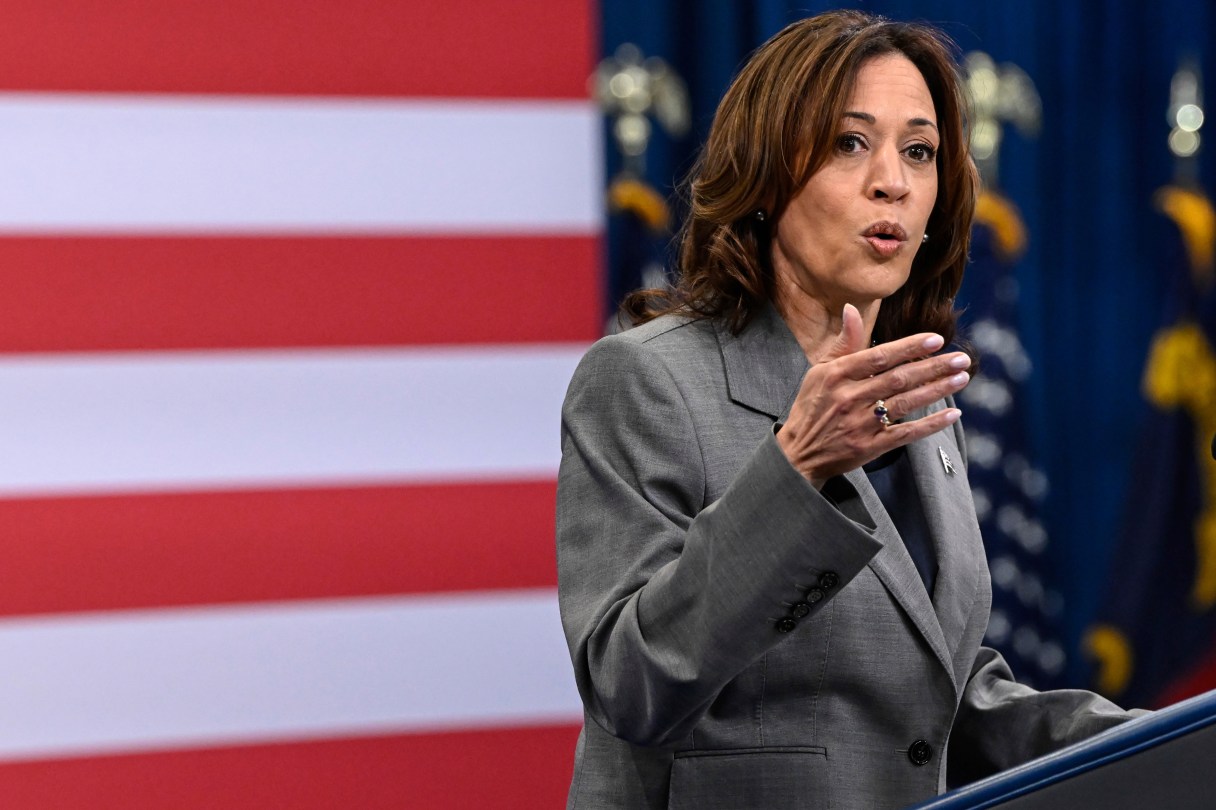
“When government agencies use AI tools, we will now require them to verify that those tools do not endanger the rights and safety of the American people,” Vice President Kamala Harris told reporters ahead of the announcement.
Each agency by December must have a set of concrete safeguards that guide everything from facial recognition screenings at airports to AI tools that help control the electric grid or determine mortgages and home insurance.
The new policy directive being issued to agency heads Thursday by the White House’s Office of Management and Budget is part of the more sweeping AI executive order signed by President Joe Biden in October.
While Biden’s broader order also attempts to safeguard the more advanced commercial AI systems made by leading technology companies, such as those powering generative AI chatbots, Thursday’s directive will also affect AI tools that government agencies have been using for years to help with decisions about immigration, housing, child welfare and a range of other services.