
ISLAMABAD (AP) — Developing resilient energy systems to power health facilities in Pakistan could avert over 175,000 deaths in the country by 2030, a new new study by the United Nations children’s agency said Friday.
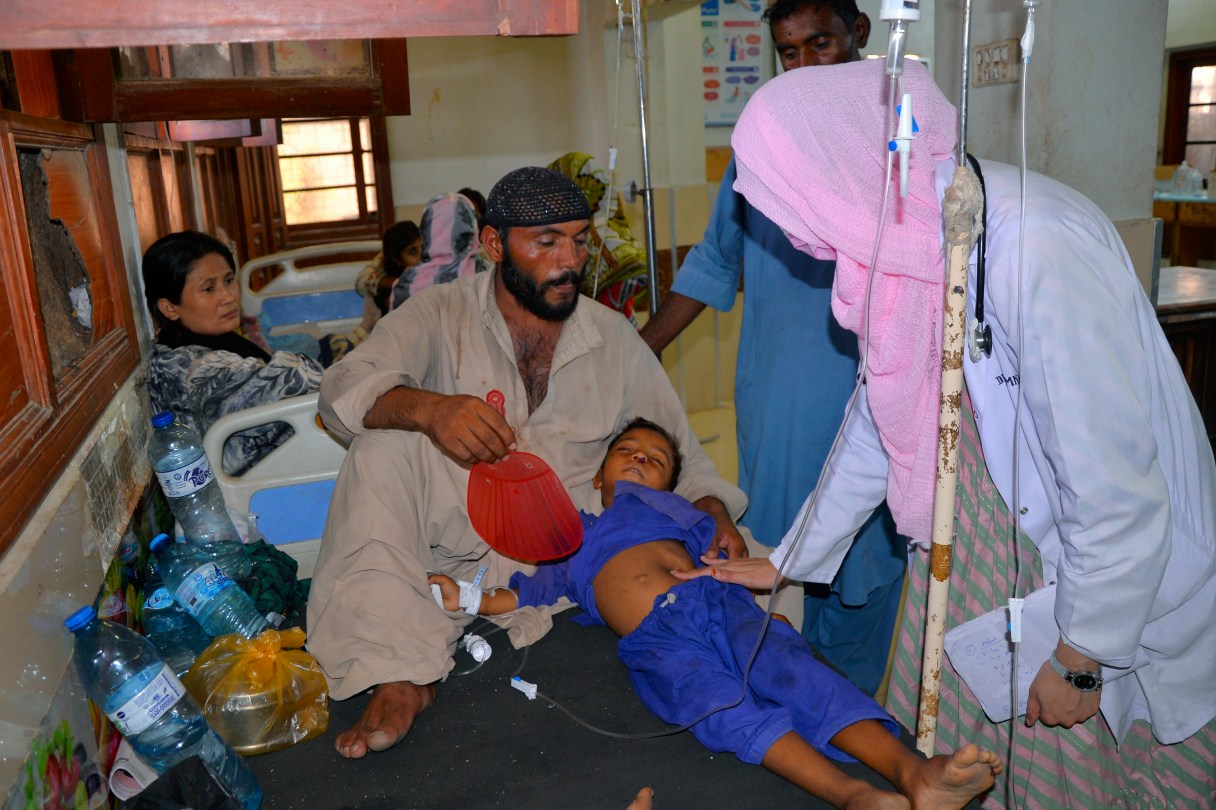
It would also contribute $296 million to the country’s fragile economy over the next 20 years by reducing maternal, adult and infant mortality, UNICEF said. Conducted by the agency’s Economist Impact Unit, the study comes as Pakistan is experiencing an intense heatwave that has sickened thousands of people, further burdening the country’s health care system.
Temperatures in various parts of Pakistan soared as high as 49 degrees Celsius (120 degrees Fahrenheit) Friday.
Authorities were also battling forest fires, which Pakistan has been experiencing during heatwaves in recent years. Near the capital, Islamabad, a fire broke out on Thursday but officials have yet to determine whether it was caused by the high temperatures.
Plumes of smoke were seen rising from the hills around Islamabad as firefighting helicopters flew overhead to douse the flames.