
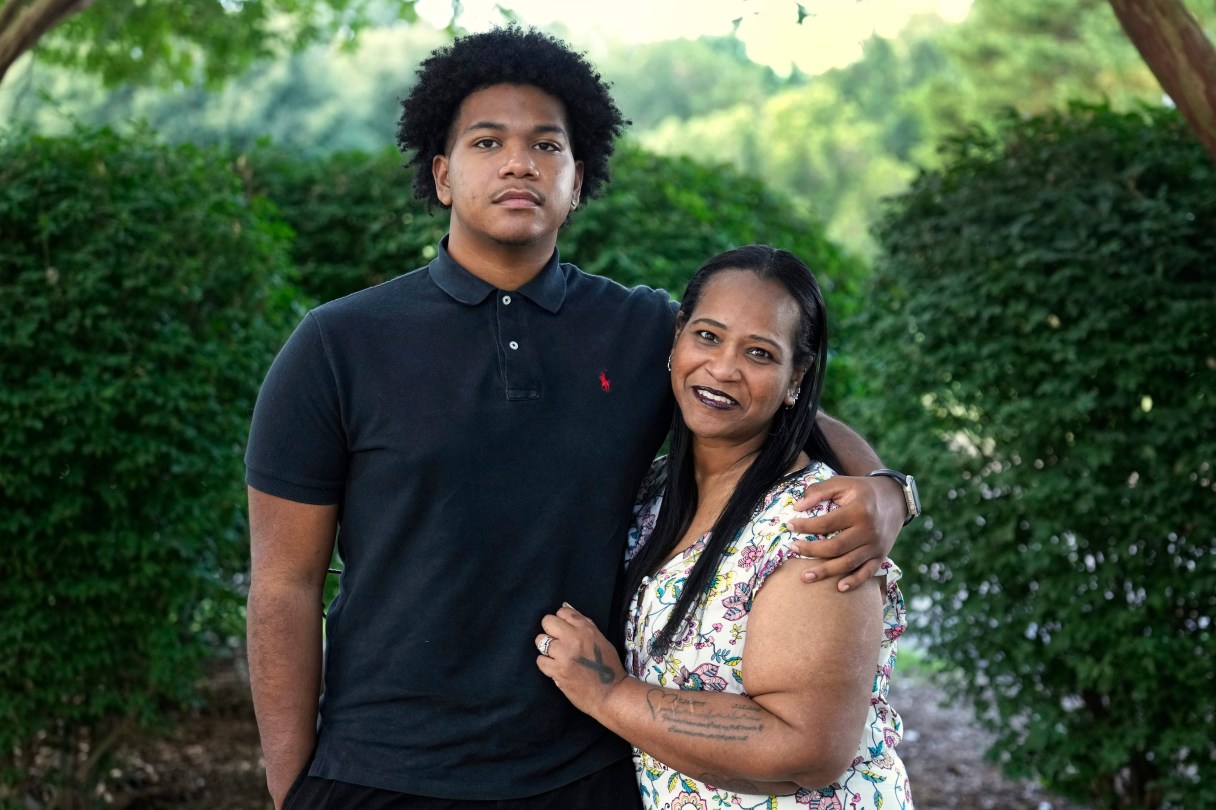
Robin Alderman faces an agonizing reality: Gene therapy might cure her son Camden’s rare, inherited immune deficiency. But it’s not available to him.
In 2022, London-based Orchard Therapeutics stopped investing in an experimental treatment for the condition, Wiskott-Aldrich syndrome. And there are no gene therapy studies he can join.
“We feel like we are the forgotten,” said Alderman, who’s advocated for her 21-year-old son since he was a baby.
Collectively, about 350 million people worldwide suffer from rare diseases, most of which are genetic. But each of the 7,000 individual disorders affects perhaps a few in a million people or less. There’s little commercial incentive to develop or bring to market these one-time therapies to fix faulty genes or replace them with healthy ones. This leaves families like the Aldermans scrambling for help and some trying to raise money themselves for cures that may never come.
“These kids have been unfortunate twice: A, because they got a genetic disease, and B, because the disease is so rare that nobody cares,” said Dr. Giulio Cossu, a professor of regenerative medicine at the University of Manchester in England. “Companies want to make a profit.”