
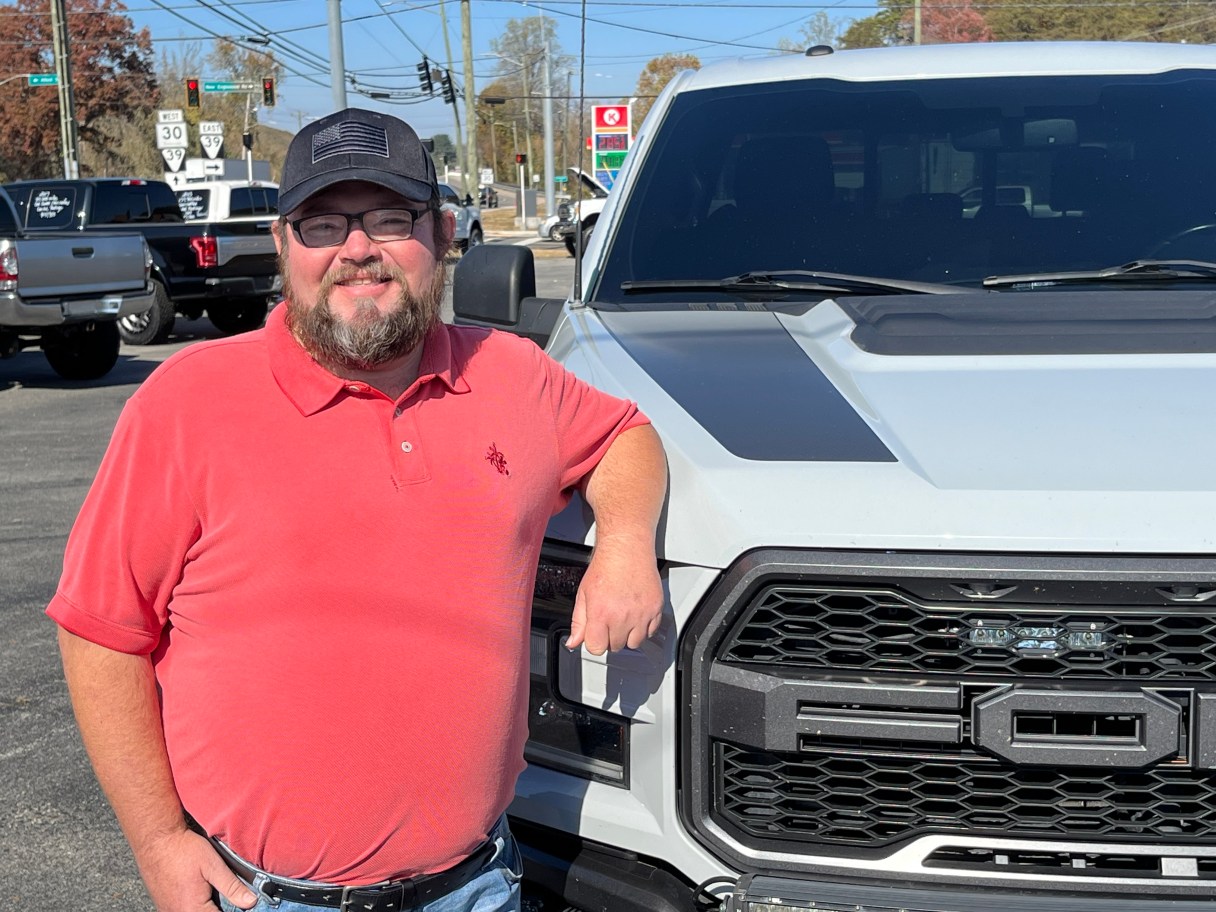
Stanley Webb, who has congestive heart failure, heart disease, diabetes and is on dialysis, could not see his girlfriend’s smile before he encountered Southeast Tennessee Project Access.
Webb, who felt as if he was viewing life through a dirty glass, said in a testimonial video even the trees outside appeared to him as a green blob after his vision disappeared.
“I woke up one day, and it was so bad, I had to put a patch over my eye to be able to walk forward,” Webb said by phone about becoming cross-eyed. “Nobody could help me.”
A lack of eyesight affects daily life, Webb said. His relationship suffered due to a lack of money to go out and enjoy life, he said. He wondered if his eyesight would return and what would happen to him without it — how would he take care of his girlfriend, children or grandchildren?
Webb said he worked 60-hour weeks before his vision loss affected his ability to work. Webb said he was in disbelief when he learned the vital health services he needed related to his kidneys, eyesight and heart would be available to him through Southeast Tennessee Project Access.
Project Access, a charity program that helps doctors provide free specialty health care services to low-income or uninsured patients without health care access, is celebrating its 20th year in operation.
“(Project Access) allows people to maintain economic stability, even if they’re having a lot of economic challenges,” Rae Young Bond, the executive director of the Medical Foundation of Chattanooga and the Chattanooga-Hamilton County Medical Society, said by phone. “There’s nothing like a major illness that’s not treated to have a profound impact on a family, and that impact also impacts society as a whole.”
Insurance and medical debt
— 8% of Hamilton County’s population is uninsured, with 17% of that group living in poverty and 70% unemployed.
— 19% of Hamilton County residents have medical debt in collections, higher than the national average and disproportionately affecting communities of color.
Source: Hamilton County Health Department and the Urban Institute
Webb said he had just had a heart attack when he went to Project Access. Webb said he first went to the eye doctor wearing his eye patch, which he’d worn for months due to vision loss. The doctor gave him injections at 10 a.m., and by 10 p.m., he could see.
“It was like a blessing from God,” he said. “I just sat there and bawled, like a (child) meeting his mama for the first time. It was unbelievable … and then it just kept getting better and better.”
Webb could now see detail, including what leaves looked like. Through his dialysis treatments, Webb lost 54 pounds in two weeks, which he had gained due to untreated kidney problems. He said he felt better after the removal of poison from his blood and now that he could lay on his back and breathe, improving his sleep quality. If there was only one thing Webb could say about Project Access, he would advise for people to trust the organization.
“Let them do their thing, and they will send you to people that actually give a crap about you, that will take care of you,” he said. “They’ll treat you with dignity.”
Kathleen Stephens, 81, said she first saw Project Access physicians on Valentine’s Day 2008 after living with vision issues related to her farsightedness and narrow-angle glaucoma. Over time, the Project Access physicians rectified her problem without charging Stephens a penny. Their efforts helped her continue to work, take care of herself and visit her handicapped son, who is 60 years old.
“I was treated (with) utmost of respect,” she said in a phone interview. “Sometimes, they treat a person, you know, that’s like myself, indigent — they treat you less respectful than they would somebody who’s got a lot of money or high insurance, but that’s not true, and they have been so gracious to me.”
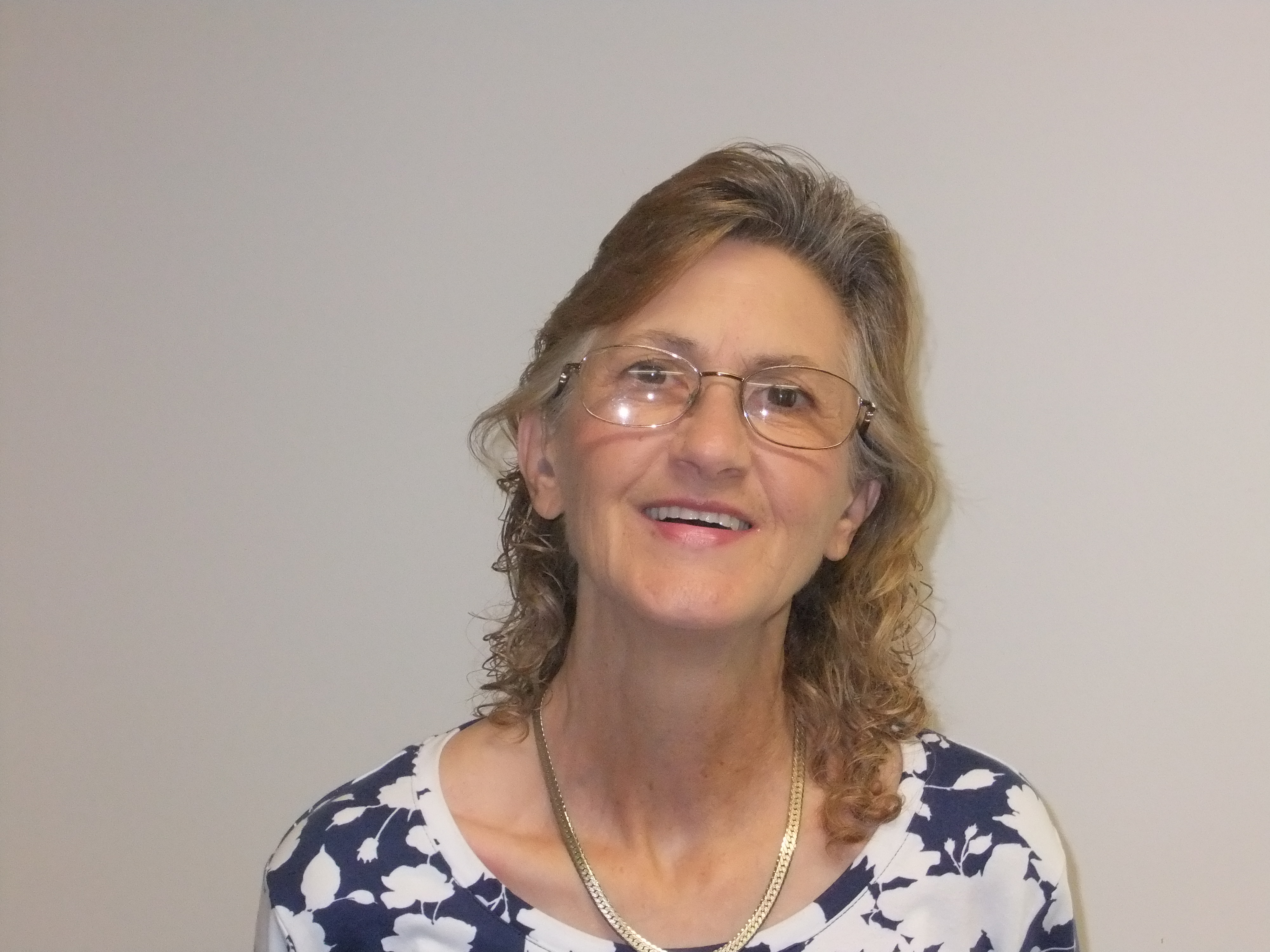 Contributed photo / Kathleen Stephens, a former Project Access patient, was able to receive free procedures through the charity.
Stephens said without Project Access, she doesn’t believe she’d be able to see today or have had the ability to get surgeries done. She said she donates periodically to the charity but doesn’t believe she’ll ever be able to pay the organization enough money for what it did for her. Stephens said the charity is like one big, wonderful family, where everyone is kind and approaches people in hopes of knowing their stories.
“It’s really meant so very much to me and my family, not just me,” she said. “It’s helped my family, because that way they didn’t have to give up their jobs or give up their time to come and take care of me.”
Project Access
— $228 million worth of donated care
— 804 jobs produced
— 25,482 assisted patients with an average of 487 patients each month
— 1,160 current volunteer physicians
Source: Southeast Tennessee Project Access; Rae Bond, executive director of the Medical Foundation of Chattanooga; and the Chattanooga-Hamilton County Medical Society, as of March 2024:
COMMUNITY NEED
Southeast Tennessee Project Access, 1917 E. Third St., began after Joseph Cofer, a Chattanooga surgeon, explored approaches to care for uninsured patients along with fellow health care professionals. The charity received its first patient in 2004. Bond said the service is important because specialty care allows people to continue working, providing for their families and being active members of society.
Volunteer physicians refer potential patients, who must live at or below 150% of the poverty line, be ineligible for government-sponsored care and be Southeast Tennessee residents. The charity recruits physicians and develops hospital relationships, Bond said. For Bond, Project Access is a clinic without walls with physicians in nearly every specialty area, including rheumatology, neurology, orthopedics and physical therapy.
Despite working low-paying jobs without health benefits, many local residents do not qualify for TennCare and are unable to afford private insurance with needs like food, housing and clothing. Those without insurance miss preventative health and screening services, leading to poorer health outcomes, including premature death. Additionally, delaying or forgoing care results in delayed diagnoses, reducing the survival rate for many diseases and cancers, according to a news release.
Tennessee has not expanded Medicaid under the federal Affordable Care Act, resulting in a lack of financial assistance for those who need it, Bond said. However, she said the state provides funding for safety net programs like Project Access.
(READ MORE: Report: Uninsured Tennesseans would drop 27% with Medicaid expansion)
Bond said she believes for herself and physicians, Project Access is a more community-oriented approach to providing care.
“Doctors became doctors because they want to take care of patients, and we make it easy for them,” Bond said. “We’re serving an underserved community, and we’re doing it in a way that’s efficient, effective and compassionate.”
Contact Leah Hunter at lhunter@timesfreepress.com or 423-757-6363.